
Last updated November 21, 2026
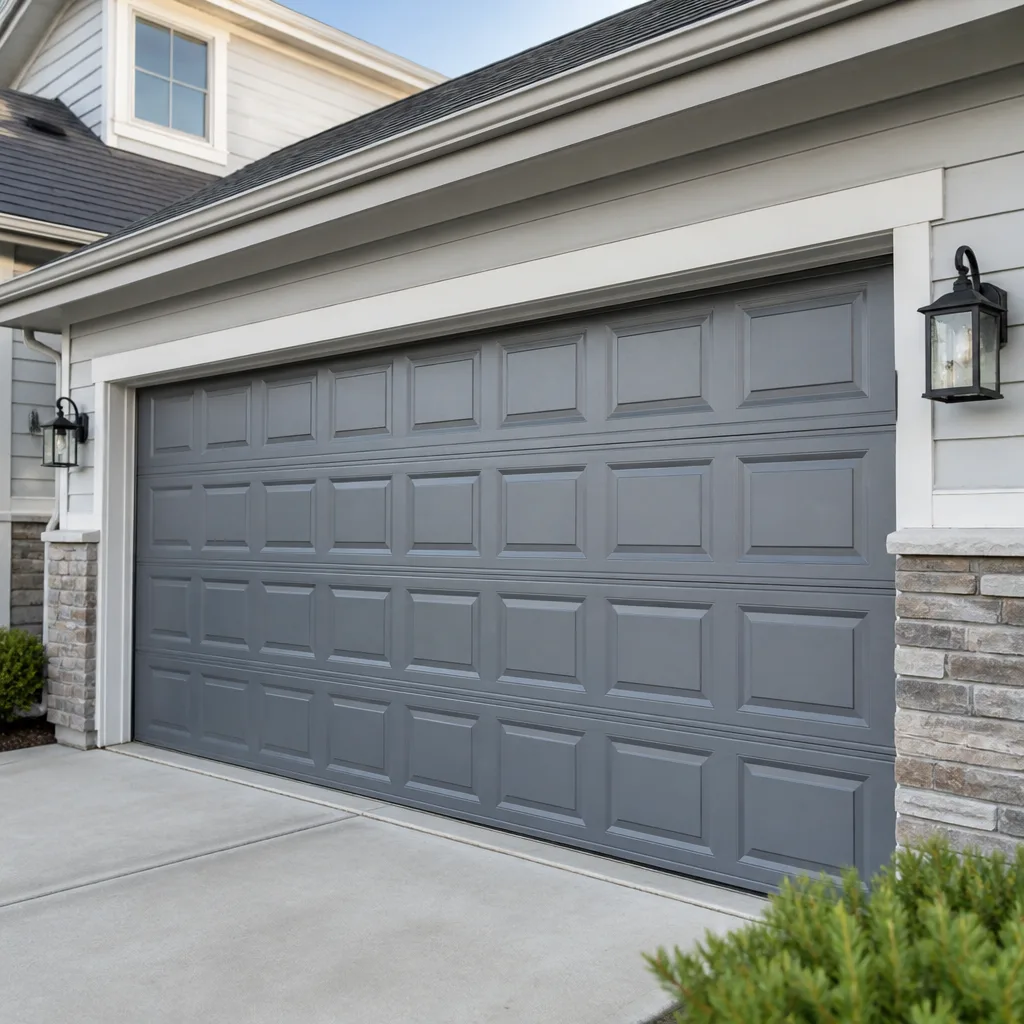 Raised-panel steel
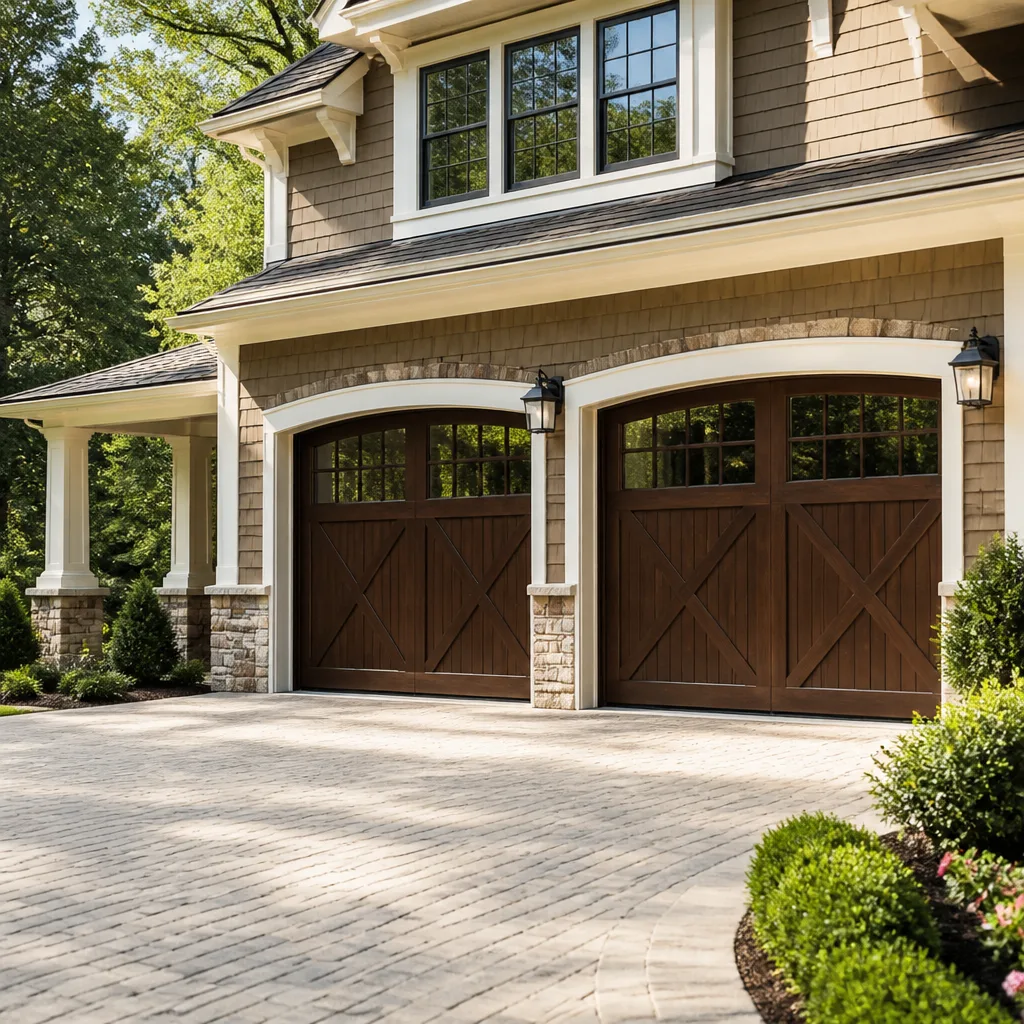 Carriage house
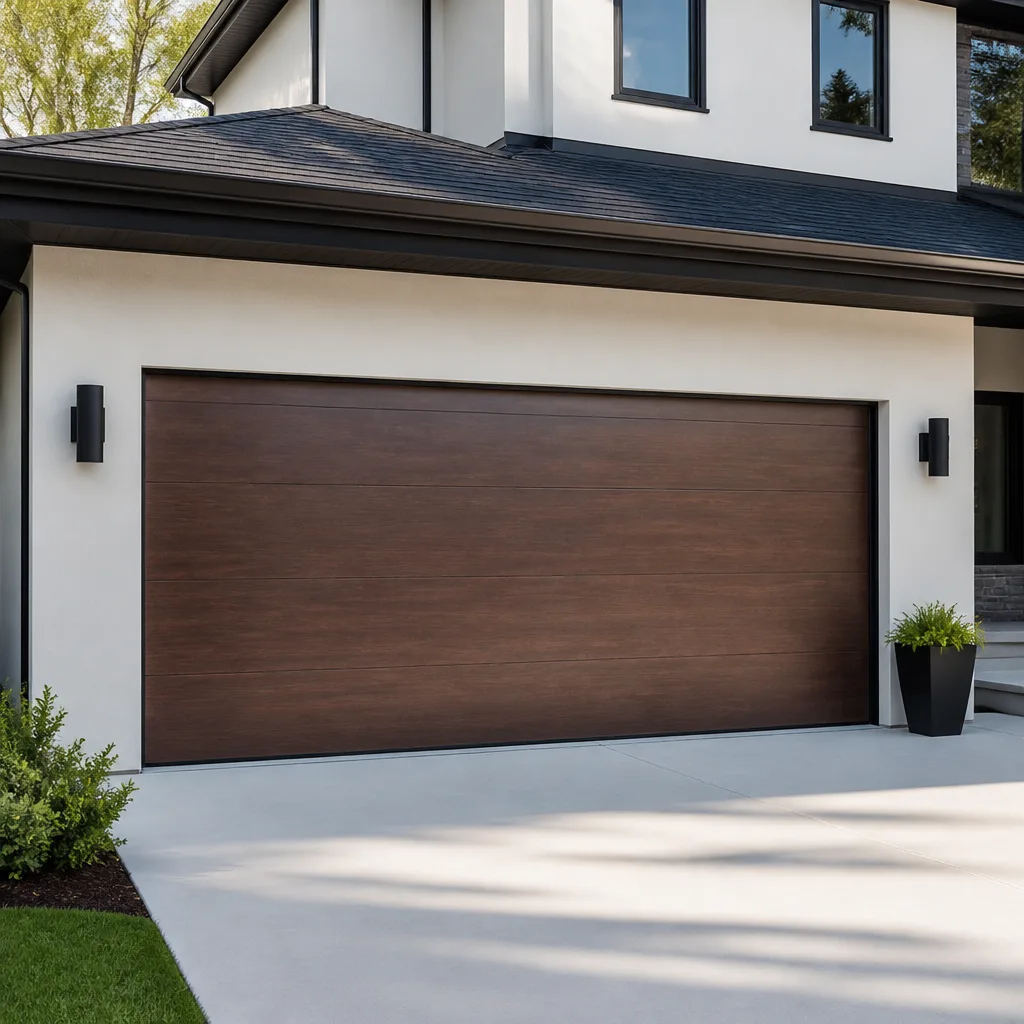 Modern flush
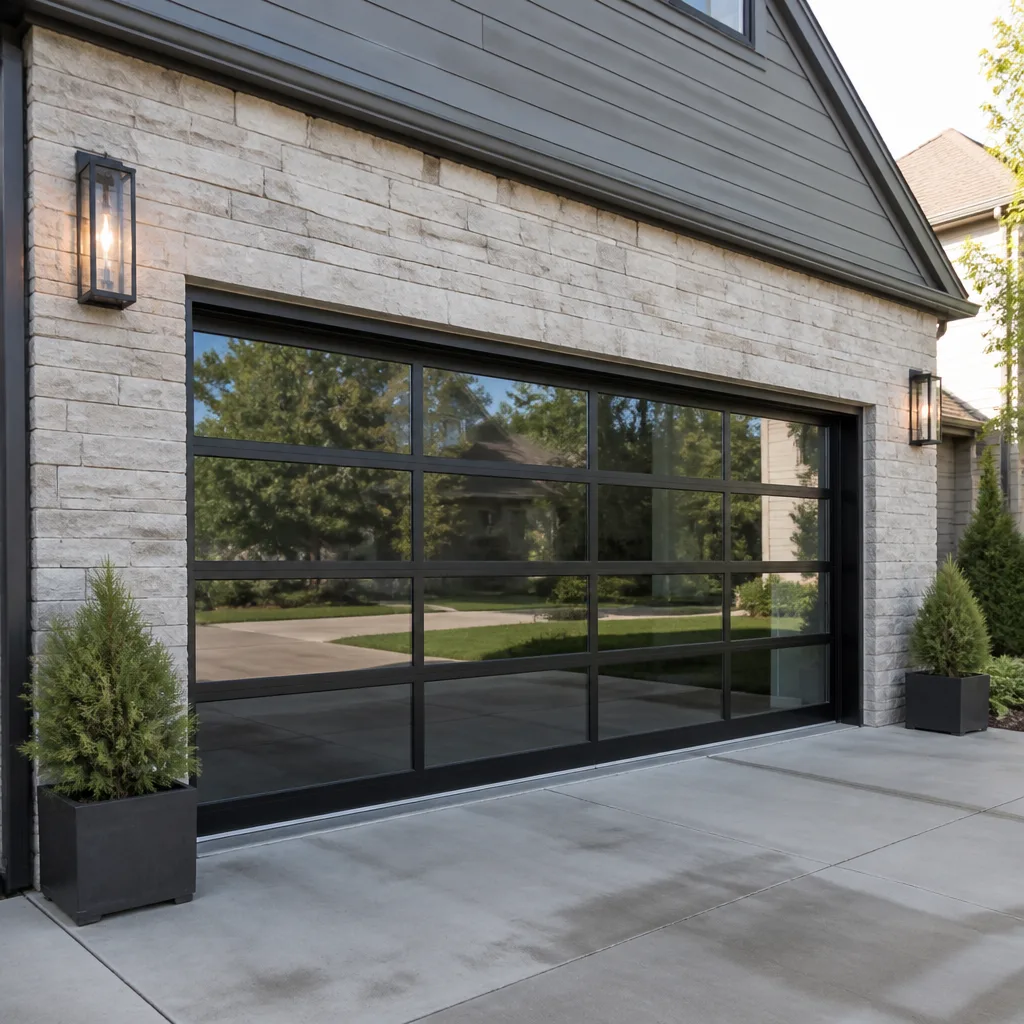 Full-view glass
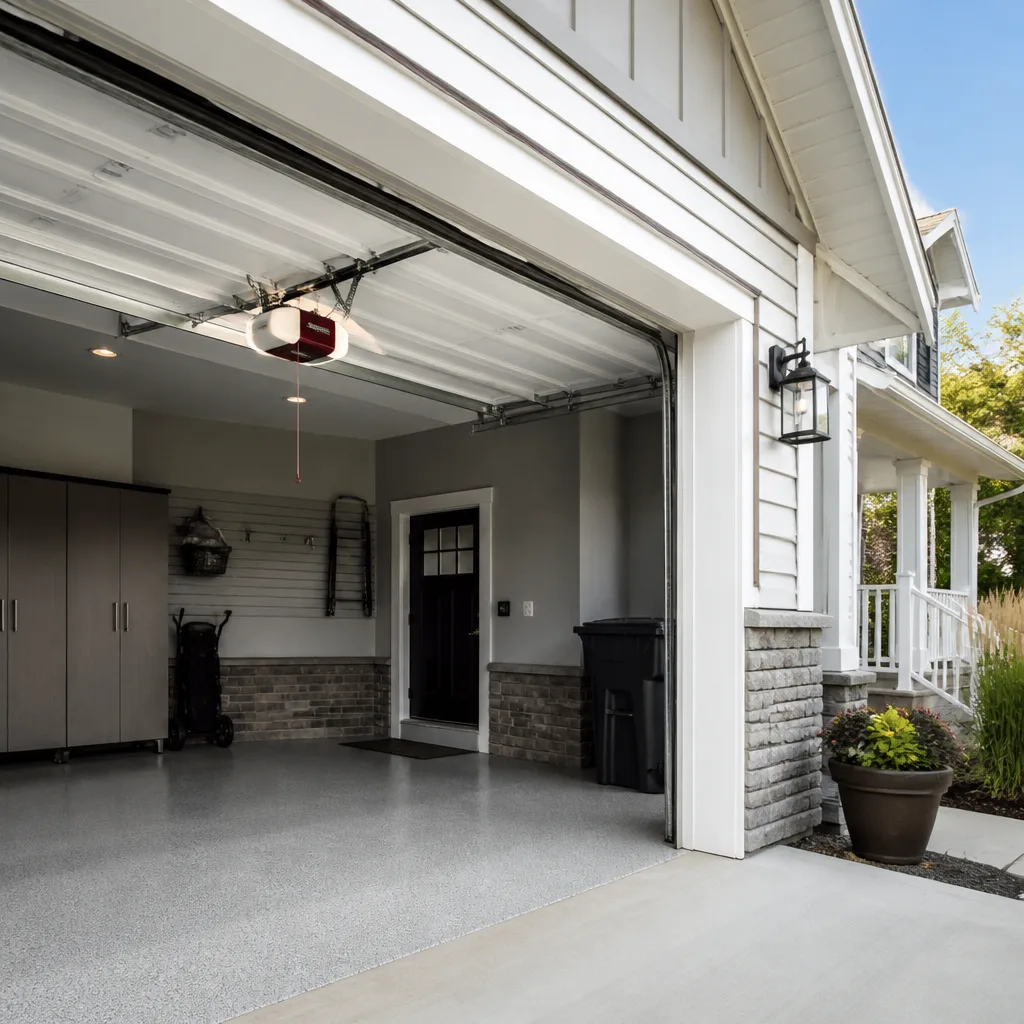 LiftMaster openers
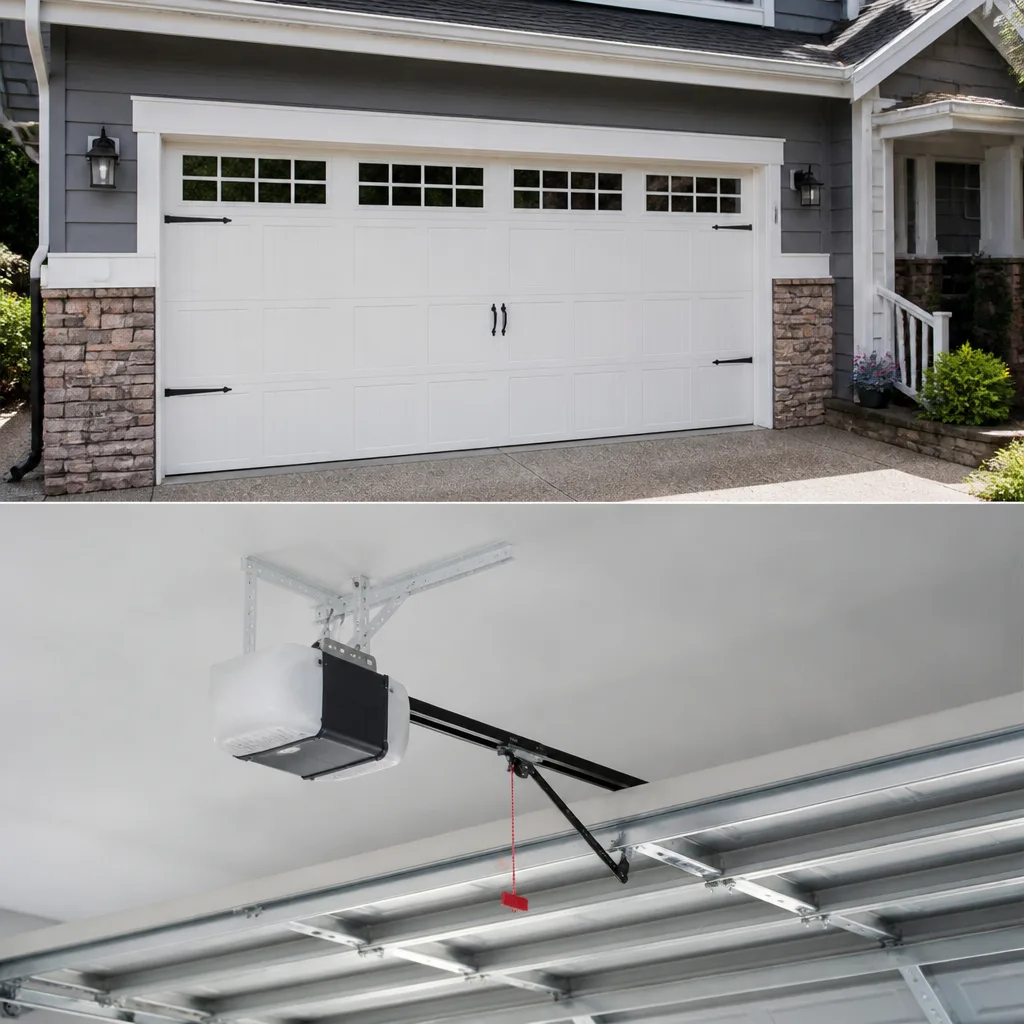 Chamberlain openers
Full 25-point door and opener safety check with every visit - springs, cables, rollers, tracks, and your LiftMaster or Chamberlain opener included
You get a price before we start. It does not change when the pro arrives.
Get your free estimateGarage Door Cost Breakdown: The Bloomington Homeowner’s Reference for 2026
When two Bloomington contractors quote the same spring replacement $150 apart, the difference almost never comes from labor. It comes from spring cycle life, a spec that rarely appears on either quote and determines whether that spring lasts 3 years or 10. Most garage door pricing feels opaque for the same reason: labor, parts, markup, and hidden extras get bundled into one number, and comparison becomes guesswork. This guide pulls every job type apart into line items, so you know what a fair Bloomington quote looks like, what drives it up, and when repair stops making sense.
Quick Answer
Garage door repair in Bloomington, MN in 2026 typically costs $95 to $250 for common fixes like cables, rollers, and weatherstripping, $180 to $340 for a single torsion spring, and $350 to $900 for a new opener installed. A full door replacement runs roughly $1,100 to $4,500 depending on material, size, and insulation. The written estimate you get before work starts is the final price.
Styles & brands we work with
- Raised-panel steel
- Carriage house
- Modern flush
- Full-view glass
- LiftMaster openers
- Chamberlain openers
Table of Contents
- What Actually Drives Garage Door Cost in Bloomington?
- Part-by-Part Cost Ranges for 2026
- What Labor Really Costs in the Bloomington Market
- Full Replacement Cost by Door Type
- Hidden Costs That Change the Final Invoice
- Repair or Replace? A Cost-Per-Year Framework
- How Minnesota Winters Change the Math
- Common Mistakes to Avoid
What Actually Drives Garage Door Cost in Bloomington?
Four things set the price on almost every garage door job in Bloomington: the part itself, how hard it is to reach, what safety hardware has to be brought up to current practice, and whether the door or opener needs calibration after the fix. A technician quoting a job walks through all four before giving you a number. When a quote seems high, one of these four is where the money went.
The part is the easiest to understand and the easiest to get wrong. Two torsion springs of identical dimensions can carry very different cycle ratings, and that rating determines lifespan. A builder-grade spring may be rated around 10,000 cycles; a high-cycle spring can be rated several times that. Over a Bloomington winter, with a door opening and closing several times a day, the cheap spring is where the $150 gap between quotes usually hides. Ask what cycle rating is being installed. A quote that can’t answer that is telling you something.
Access matters too. A door with a low-clearance track setup, a tight ceiling, or a finished garage ceiling above the springs takes more time and sometimes different hardware. So does a door mounted under a soffit that makes winding bars awkward to use safely. These aren’t upsells; they’re time and risk, and a good estimate reflects both.
Safety hardware is the third driver. Modern openers require safety sensors at the floor and most newer doors use a photo-eye or edge system that older doors don’t have. If a repair touches the opener or the door bottom, expect the crew to check those systems, and expect a line item if anything needs replacing.
Calibration is the fourth. After a spring, cable, or opener repair, the door has to be balanced and the opener’s travel limits and force settings set correctly. That’s not optional and shouldn’t be billed as a surprise extra. It’s part of finishing the job, and a reputable crew builds it into the original quote. If you want to see what a proper garage door repair visit covers, that page breaks the process down step by step.
Part-by-Part Cost Ranges for 2026
These ranges are typical for Bloomington in 2026 and reflect the part plus the labor to install it. Every job is quoted in writing before work begins, and the estimate sets the final price. Treat these as planning numbers, not a promise.
Springs
- Single torsion spring: $180-$340 installed. A matched pair is usually replaced together, so a pair runs about twice that.
- Extension springs (per side): $100-$200 installed, often replaced as a pair.
- High-cycle upgrade: adds to the part cost but extends service life considerably.
Cables
- Single lift cable: $95-$175 installed. Cables are usually replaced in pairs because they wear together.
- Drum and cable set: $150-$300 depending on door weight and drum condition.
Rollers and Hinges
- Nylon rollers (set): $90-$180 installed. Nylon is quieter than steel and lasts longer in cold.
- Hinges (per hinge): $15-$40 installed, with the total depending on how many are worn.
- Tune-up with lubrication and adjustment: $75-$150.
Panels
- Bottom panel replacement: $200-$500 installed, depending on material and whether the section is still manufactured.
- Middle or top panel: similar range, occasionally higher when matching an older profile.
- Panel plus re-balance: add $50-$100 if the door needs re-tensioning after the swap.
Openers
- Chain-drive opener, installed: $350-$600.
- Belt-drive opener, installed: $400-$700. Quieter, which matters if a bedroom sits above the garage.
- Smart or Wi-Fi opener, installed: $450-$900 depending on features and brand.
- Opener repair (board, gear, or motor): $120-$350, often the better call if the unit is otherwise sound.
Weatherstripping and Seals
- Bottom seal replacement: $90-$200 installed.
- Side and top weatherstripping: $80-$175 installed.
- Threshold seal: $75-$160 installed, and a genuine help against snowmelt creeping under the door.
Notice how wide some of these ranges are. That spread is where cycle life, brand, and access all show up. When you’re comparing quotes line by line, ask about each one. For opener-specific diagnosis, the team handles garage door opener repair across LiftMaster, Chamberlain, Genie, and Craftsman systems, so you don’t have to hunt for a brand specialist.
What Labor Really Costs in the Bloomington Market
Labor in the Bloomington market typically runs $75 to $150 per hour, and most repairs are billed as a flat rate that bundles the hour with the part rather than a strict hourly clock. That bundling is where a lot of quote confusion starts. A contractor can quote a low parts price and pad the labor line to make the total look normal, or the reverse. Either way, you’re paying the same total, but only one version tells you what you’re actually buying.
Here’s how to spot padding on a quote:
- Ask for parts and labor on separate lines. A reputable quote will separate them, even if the final number is a flat rate.
- Compare the labor hour against the job. A spring replacement is typically one to two hours. A full opener install is two to four. If the labor line implies six hours for a spring, ask why.
- Look for a line called something like “shop supplies,” “hazmat,” or “disposal” with no explanation. Those can be legitimate, but they should be itemized and small.
- Ask what the quote covers if a second part fails during the job. Good contractors quote the likely pair (both springs, both cables) up front rather than discovering a second failure mid-repair.
- Compare the part spec, not just the price. A high-cycle spring and a builder-grade spring aren’t the same product, and the quote should say which one you’re getting.
One thing that should never appear on a Bloomington quote: a fee for the estimate itself. Estimates are free, and the price you agree to before work starts is the price you pay when the job is done. If the number on the invoice is higher than the number on the quote, that’s a conversation worth having on the spot.
If you’re weighing a repair against a larger job, our overview of Bloomington Garage Door Repair Pros shows the full range of what we handle, which helps when you’re deciding whether to call one company or several. Dedicated garage door spring repair is one of the most common calls we get, and it’s a service many generalist handymen won’t touch because of the injury risk.
Full Replacement Cost by Door Type
A full replacement in Bloomington runs $1,100 to $4,500 installed for a standard single- or double-car door, with material driving most of the spread. Insulation, window options, hardware upgrades, and opener compatibility push it up from there. Replacement work is measured, ordered, and scheduled, so expect a free measure and a written price rather than a same-day install.
Steel
The most common choice in Bloomington and the most budget-friendly. Basic non-insulated steel installs from $1,100 to $1,800. Insulated steel brings better thermal performance and a sturdier door, running $1,600 to $2,600. Steel handles Minnesota’s temperature swings well and needs little maintenance beyond wiping down the finish.
Wood
Wood offers the warmest look and the highest maintenance. Expect $1,800 to $3,500 installed depending on species and finish. Wood moves with humidity, so in a Bloomington garage that goes from summer humidity to winter dry air, it needs repainting or refinishing more often than steel or composite.
Composite
Composite mimics wood grain without the swelling and rot. Installed cost runs $2,000 to $3,500. It’s a strong middle path for homeowners who want the wood look but don’t want the yearly upkeep.
Glass and Aluminum
Full-view glass and aluminum doors are the premium option at $3,000 to $4,500 and up, depending on glass type and frame finish. They’re striking on modern homes but don’t insulate as well as a solid insulated panel unless you specify insulated glass, which adds cost.
Insulation and Its Payback in Minnesota
Insulation upgrades are where Bloomington homeowners get the most for a modest add-on. An insulated door with a decent R-value helps hold heat in a garage that shares a wall with living space, reduces condensation on cold mornings, and quiets the door in operation. If your garage sits under or beside a bedroom, the noise reduction alone can justify the upgrade. Insulation typically adds $300 to $800 to the installed price depending on thickness and door size. If your garage is fully detached and unheated, the payback is smaller, so match the upgrade to how you actually use the space.
Brands matter here too. We service Clopay, Amarr, and Wayne Dalton doors, among others, which means a replacement quote can usually match a brand you already trust rather than forcing you into an unfamiliar one. If you’re replacing an opener alongside the door, mention it at the estimate; the two jobs can be planned together and the labor shared.
Hidden Costs That Change the Final Invoice
Hidden costs are not always dishonest. Some are genuine and unavoidable; the problem is when they show up on the invoice instead of the quote. A written estimate that accounts for the likely extras is the whole point. Here’s what can move a Bloomington invoice, and how each one should be handled.
- Disposal fees. Old doors, panels, and openers don’t vanish. A disposal fee of $50 to $150 is normal on a replacement or a large repair. Ask up front whether it’s included.
- Spring pair versus single. If a quote covers one spring and the other fails during the job, expect a revised total. A good estimate quotes the pair from the start because they wear together.
- Hardware that fails on inspection. Cables, drums, and hinges that looked fine in photos can turn out worn once the door is on a ladder. Itemized discovery is fair; a surprise total at the end isn’t. Ask how the crew handles a second failed part before they start.
- Opener re-calibration after a door repair. If the door or spring changes, the opener’s travel and force settings should be reset. Even if it’s included, make sure the quote says so.
- Safety sensor upgrades. Older doors sometimes need new photo-eyes or an edge sensor to bring them up to current practice. These are usually small line items, but they’re real.
- Permit fees when required. Most cities require a permit for substantial structural or electrical work on a garage, and the permit fee is separate from the labor. Ask your city’s building department whether your specific job needs one, and ask the contractor whether the quote includes it.
- Same-day or urgent scheduling. We quote every job by written estimate, and the price is per job regardless of when the work is scheduled. If another contractor quotes a higher rate for a same-day slot, ask them to itemize why.
One thing that shouldn’t be hidden: the answer to the question “will this cost more than you quoted?” The answer is no. The written estimate is the price. If the job uncovers something the quote couldn’t have anticipated, the crew should stop and re-quote before touching anything else.
Repair or Replace? A Cost-Per-Year Framework
The clearest way to decide between repair and replacement is to divide the cost of each option by the years it buys you. A $250 repair that lasts 8 more years costs about $31 a year. A $1,800 replacement that lasts 20 years costs $90 a year. For the first few years, repair usually wins on pure math. The question is when the math flips.
Use this sequence to work through it:
- Add up repair costs over the last three years. If you’ve crossed roughly half the cost of a new door in that window, replacement starts to look reasonable.
- Check the door’s structural condition. Worn rollers and tired springs are routine. Cracked panels, a bent track that keeps going out of alignment, or a warped frame are signs the door itself is past its useful life.
- Check the balance. A door that won’t stay halfway open on its own, when lifted by hand, is out of balance and putting strain on the opener. That can usually be corrected, but if it keeps happening after a proper fix, the door or springs may be undersized for the weight.
- Look at the opener’s age and compatibility. A working opener with a modern door is usually fine. A failing opener on an old door can be replaced independently, and sometimes that’s the cheaper call.
- Consider insulation and efficiency. If the garage shares a wall with living space and the door is uninsulated, replacement captures a long-term efficiency gain that a repair never will.
- Add up the annual cost of both options. Divide repair total by expected years of remaining service, and replacement cost by expected years of new service. Pick the lower number, and weigh it against the hassle factor of another repair next season.
As a rough rule, if a door is older than its springs and openers have been replaced at least twice, the accumulated repair cost is a stronger signal than the door’s calendar age. A door that’s been reliable for years with good maintenance is worth repairing almost every time. A door that has needed a different major repair each of the last three years is asking to be replaced.
How Minnesota Winters Change the Math
Bloomington winters push garage doors harder than a mild climate ever does. Freeze-thaw cycles work on bottom seals and thresholds, cold makes steel cables less forgiving, and the temperature swing from a heated garage to a single-digit morning puts stress on springs and opener motors alike. That doesn’t mean a winter breakdown is inevitable, but it does mean part choices made in winter matter more.
Two planning moves pay off in a Bloomington winter. First, replace springs in pairs, and choose a cycle rating that fits how often the door runs. A door that opens and closes four times a day lives through a lot more cycles than one that runs twice, and the difference in part cost is small compared to a spring that fails again in a few years. Second, look at bottom seals and thresholds before the snow starts. A worn bottom seal lets meltwater creep in, and that water refreezes along the frame and can stress the panels above it. Replacing a bottom seal is a small job that prevents a larger one.
If a door fails on a cold morning and you can’t operate it safely, don’t force it. Call and we’ll get you on the schedule. We answer 24/7, and we run fast dispatch from 7am to 7pm, Sunday through Friday. We’re closed on Saturday, but a call that comes in then is booked into the next opening.
Common Mistakes to Avoid
- Choosing a quote on price alone. A quote that’s $150 cheaper can be a builder-grade spring that fails in three winters instead of a high-cycle one that lasts ten. Ask what cycle rating is included before comparing totals.
- Replacing one spring when the pair is worn. Torsion springs wear at the same rate, so a single replacement usually means the second one fails not long after. Quoting the pair costs a little more up front and avoids a second visit.
- Assuming the estimate is a range. The written estimate you agree to before work starts is the price. If a contractor’s estimate says “approximately” and the invoice tells a different story, that’s a red flag on the contractor, not on the work.
- Putting off a door that won’t close all the way. A door that stops short of the floor leaves the garage open to cold, moisture, and animals. It’s also a security problem, and the fix is often a small adjustment rather than a major repair.
- Ignoring the opener’s force settings after a door repair. A new spring changes how the door moves, and the opener’s force and travel limits have to match. Skipping that adjustment can shorten the life of both the door and the opener.
- Forgetting to ask about disposal on a replacement. Old panels and openers don’t leave for free. A disposal line of $50 to $150 is normal; a surprise charge for it after the fact is not.
- Overlooking the permit question. Most cities require a permit for substantial structural or electrical work on a garage. Ask your city’s building department whether your job needs one, and ask the contractor whether the quote includes permit costs.
When to Call a Professional
Some garage door problems are small adjustments; others involve high-tension springs and heavy moving parts that can cause serious injury if handled without the right tools and training. Call a professional when a spring snaps, when a cable lets go, when the door hangs crooked or won’t stay halfway open, or when the opener runs but the door doesn’t move. Call the same day if the door won’t close and your home is exposed, and call right away if the door comes off its track or a panel is loose. Don’t force a stuck door by hand, and don’t attempt spring work yourself. Our technicians have up to 10 years of experience working on high-tension systems safely. Bloomington Garage Door Repair Pros offers free estimates in Bloomington. Call (855) 904-7314.
See the difference
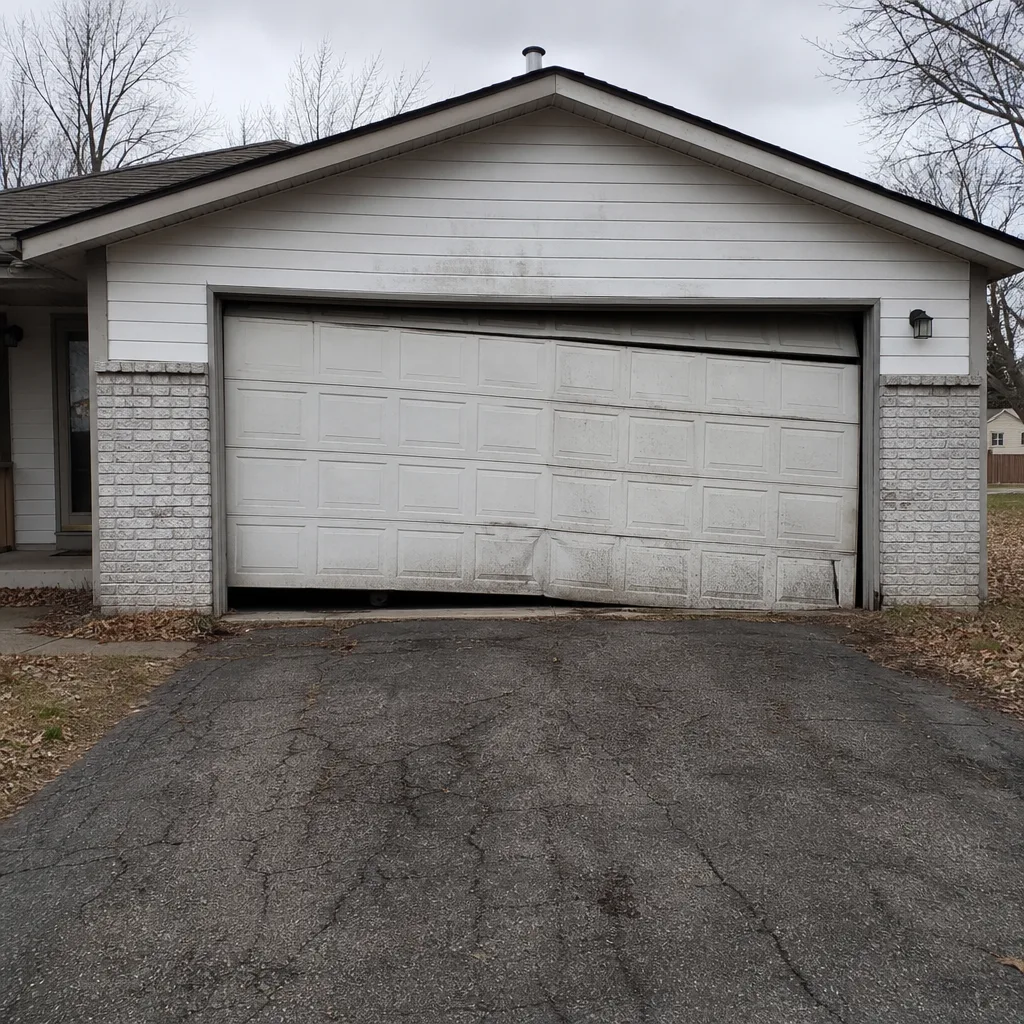 Before
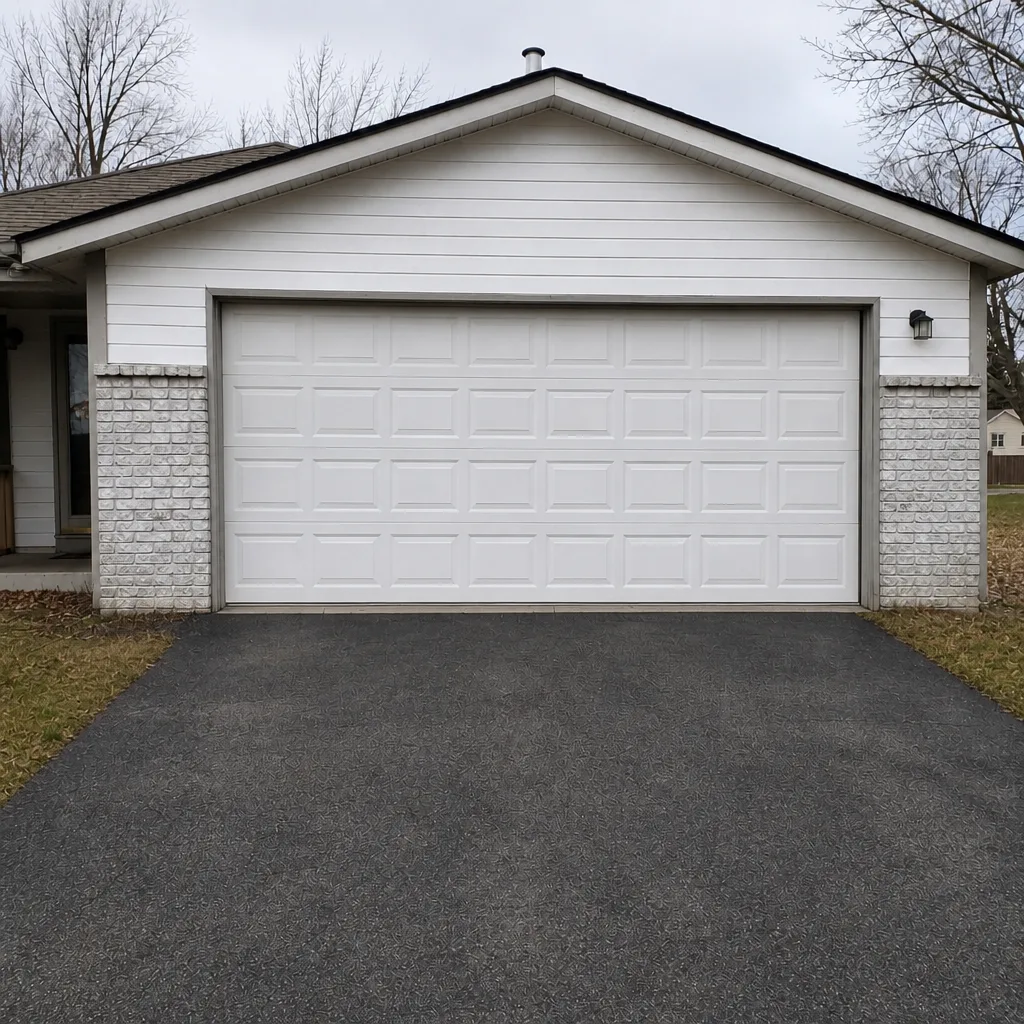 After
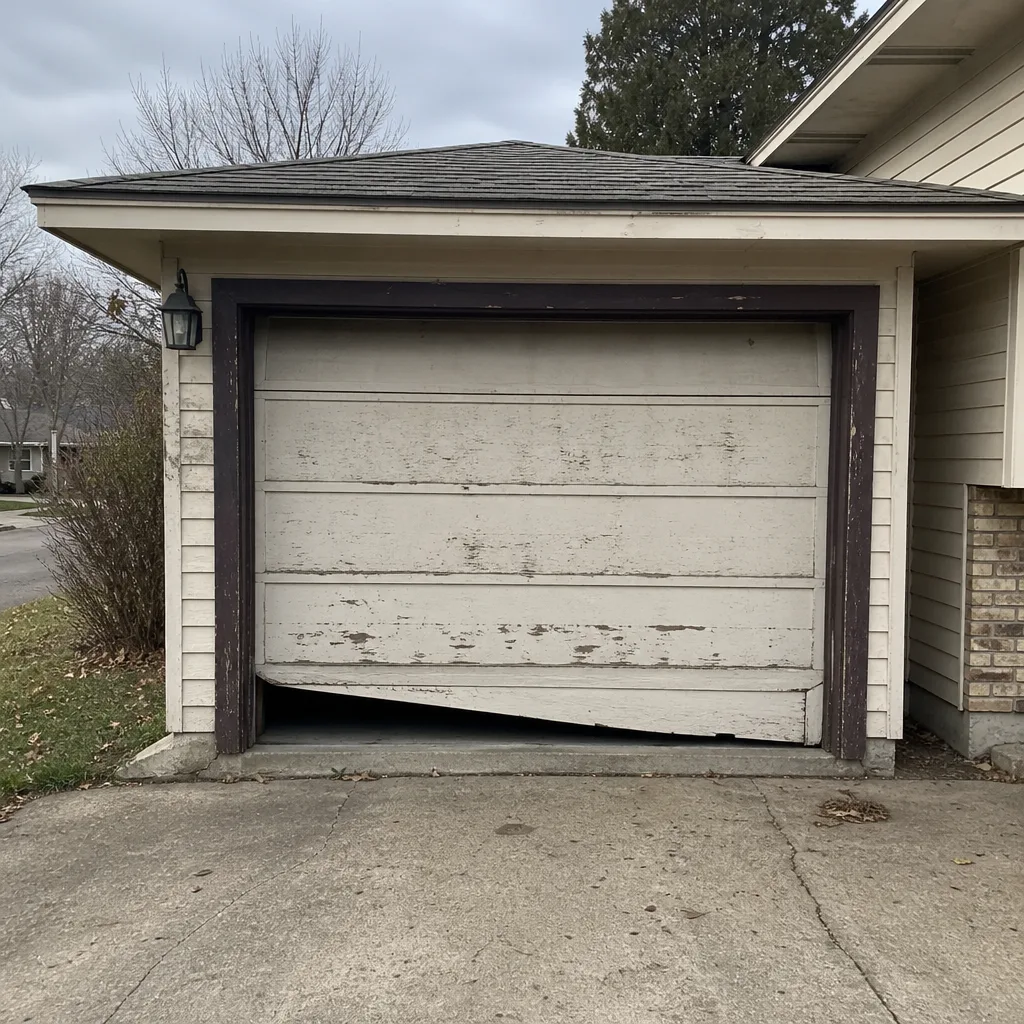 Before
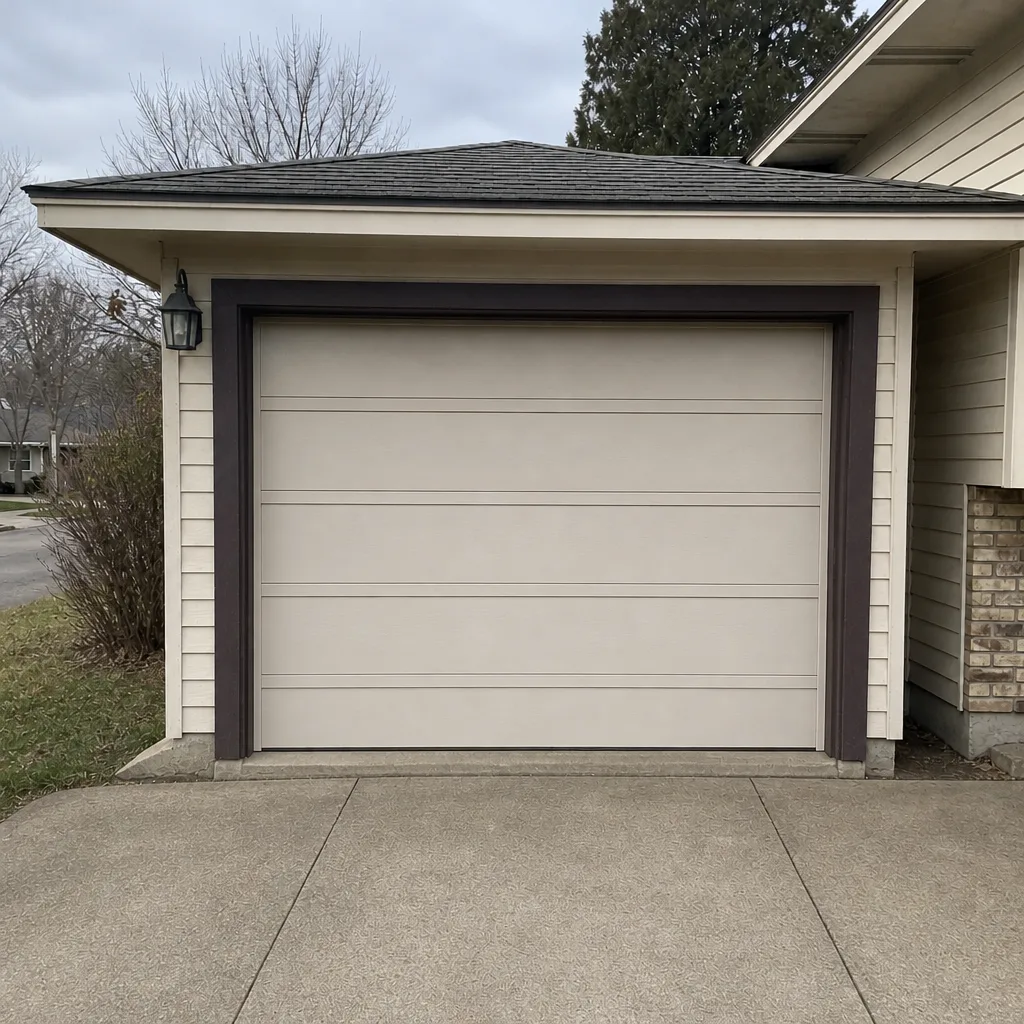 After
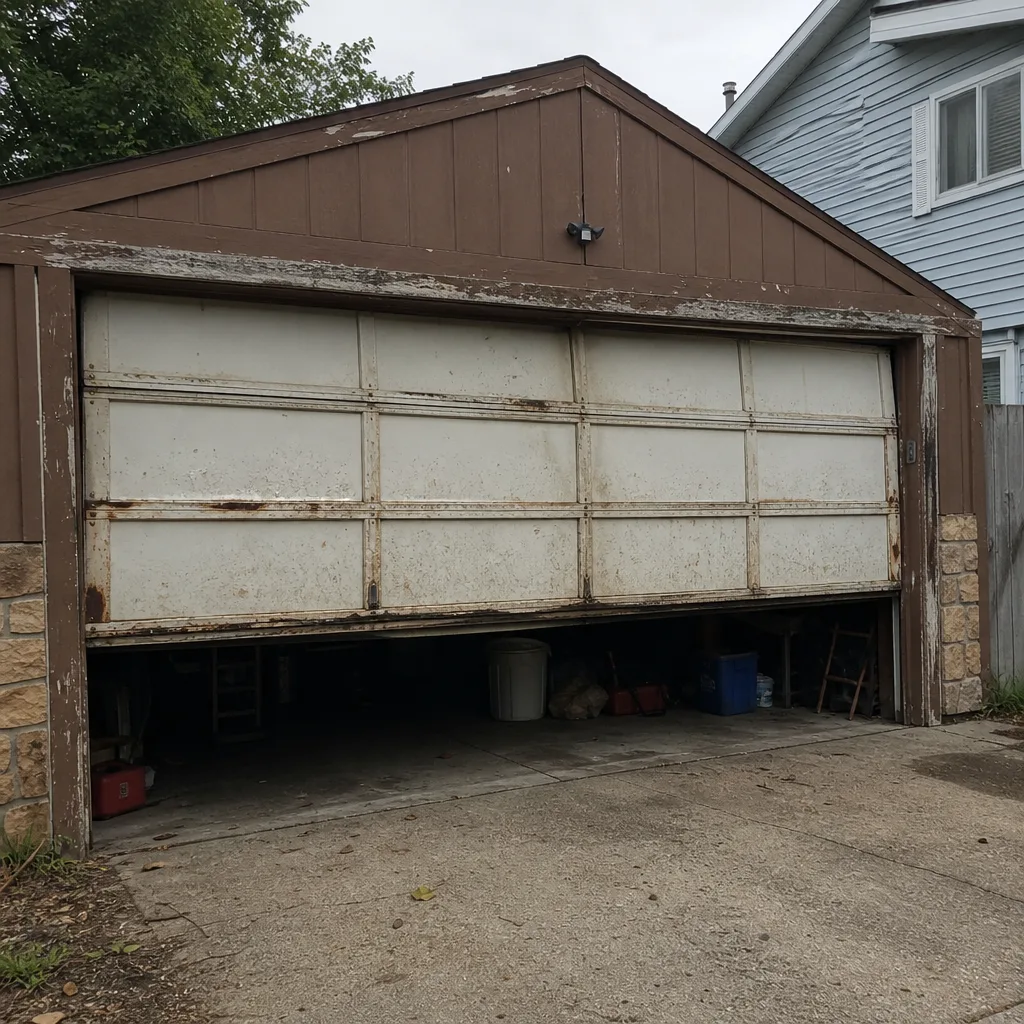 Before
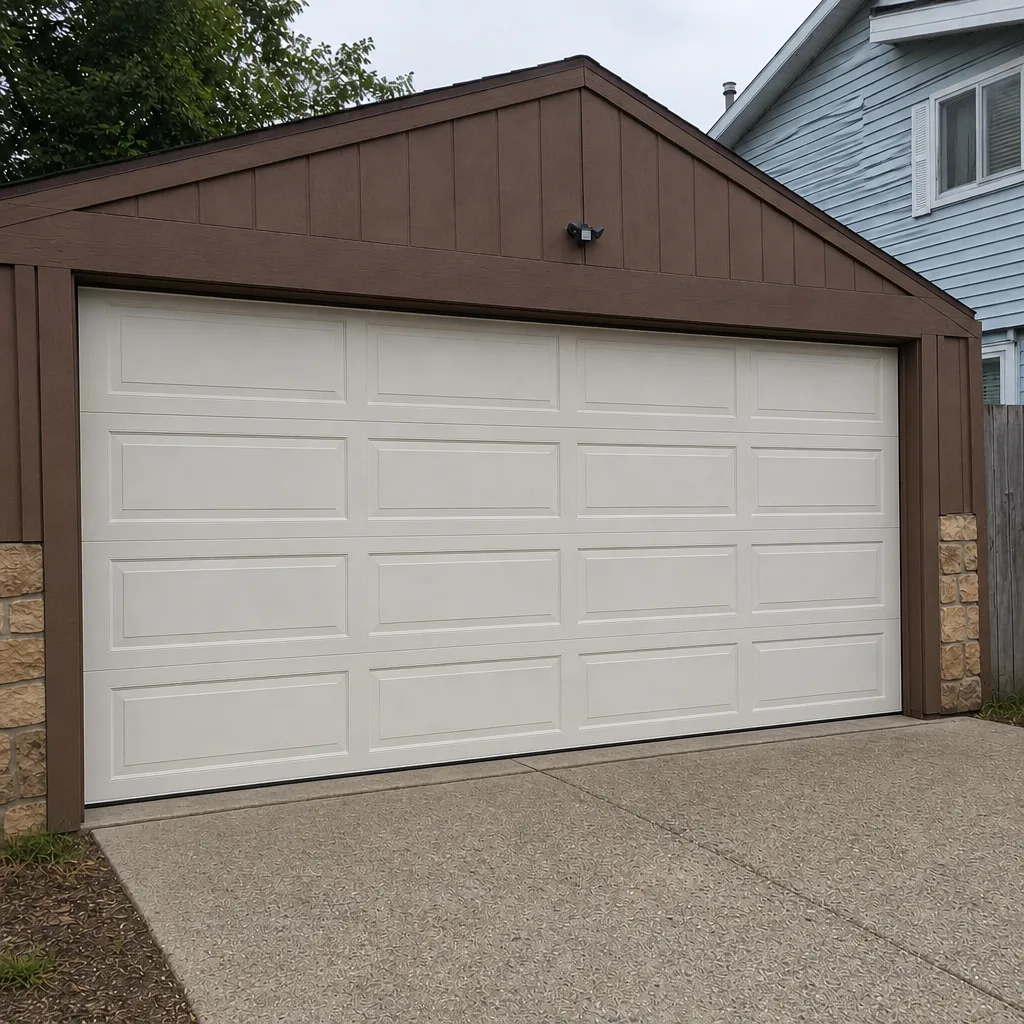 After
Frequently Asked Questions
Most common repairs in Bloomington run $95 to $250 for cables, rollers, and weatherstripping, and $180 to $340 for a single torsion spring. A new opener installed runs $350 to $900, and a full door replacement starts around $1,100. Every job is quoted in writing before work starts, and that estimate is the final price. Call (855) 904-7314 for a free estimate.
We offer same-day service for most repairs, and we handle emergency situations where a door creates a security or safety issue. We answer 24/7, and we run fast dispatch from 7am to 7pm, Sunday through Friday. A call outside those hours is booked into the next opening. Call (855) 904-7314 and we’ll get you scheduled.
No. The written estimate is what you pay, and the price is agreed before any work begins. If a job uncovers something the estimate couldn’t have anticipated, the crew stops and re-quotes before continuing. You’ll always know the new number before anyone touches the door. Call (855) 904-7314 to set up your free estimate.
The local pros we connect you with are licensed and insured as their state requires, and they have up to 10 years of experience working on high-tension springs, openers, and full door systems. We service LiftMaster, Chamberlain, Genie, Clopay, Amarr, Wayne Dalton, Craftsman, and Raynor, so we rarely need to send you elsewhere for a brand-specific job. Call (855) 904-7314 to talk through your door.
Repair is usually cheaper in the short run, but the right call depends on total repair costs and remaining service life. Divide each option’s cost by the years it buys you: a $250 repair that lasts 8 years is about $31 a year, while a $1,800 replacement over 20 years is about $90 a year. If you’ve needed major repairs three years running, replacement tends to win. Call (855) 904-7314 and we’ll walk you through it on a free estimate.
Replace both. Torsion springs wear at the same rate, so replacing one usually means the second fails within a season. A pair costs about twice a single spring, but it avoids a second service visit and the second failure usually happens at the worst possible moment. Call (855) 904-7314 for a spring estimate and ask about cycle ratings when you do.
The Bottom Line
Garage door pricing in Bloomington isn’t complicated once you pull it apart. Springs run $180 to $340 for a single, cables and rollers stay under $250, openers land between $350 and $900 installed, and replacements start at $1,100 and climb with material and insulation. The number that matters most on any quote is the one that isn’t printed: the cycle rating on a spring, the labor separated from the part, and whether disposal and permits are already included. A written estimate that answers those questions before work starts is worth more than a $150 discount that hides a cheap part. When you’re ready to talk through your door, we’re here.
Contact
If your garage door is broken, stuck, or you’re planning a replacement, call Bloomington Garage Door Repair Pros at (855) 904-7314 for a free estimate. We answer 24/7, with fast dispatch from 7am to 7pm, Sunday through Friday. Estimates are free, the price is quoted and agreed before any work starts, and our technicians have up to 10 years of experience on springs, openers, and full installations. We work on LiftMaster, Chamberlain, Genie, Clopay, Amarr, Wayne Dalton, Craftsman, and Raynor systems, so no matter what brand is on your door or opener, one call covers the job.
Written by the team at Bloomington Garage Door Repair Pros.