
Last updated November 21, 2026
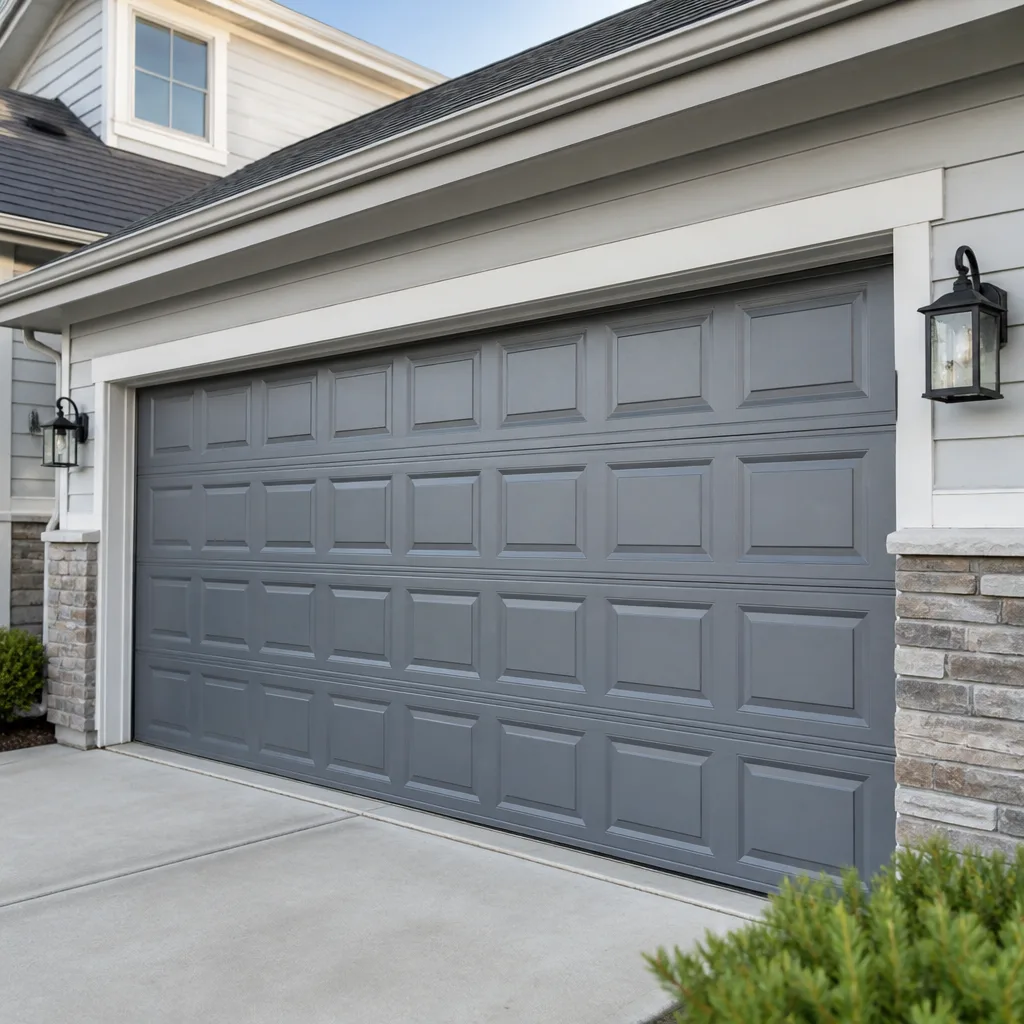 Raised-panel steel
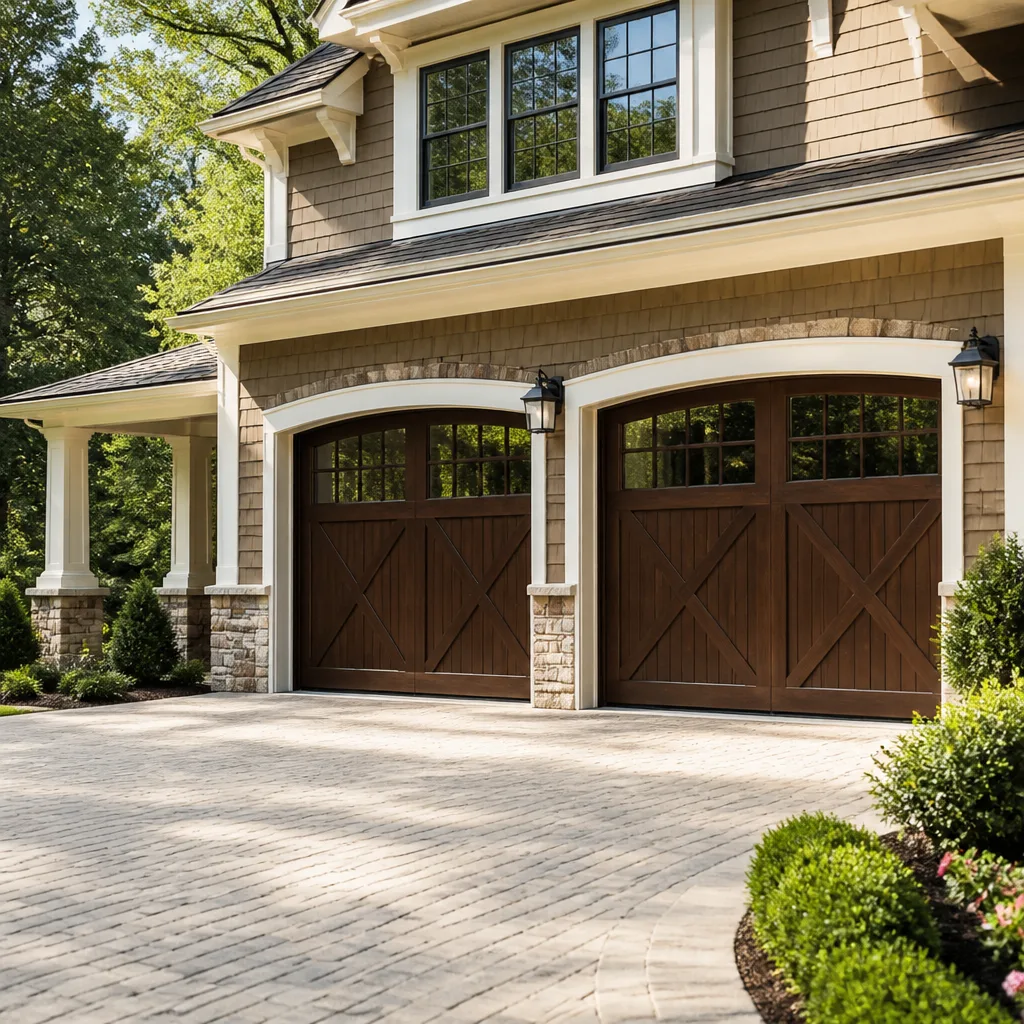 Carriage house
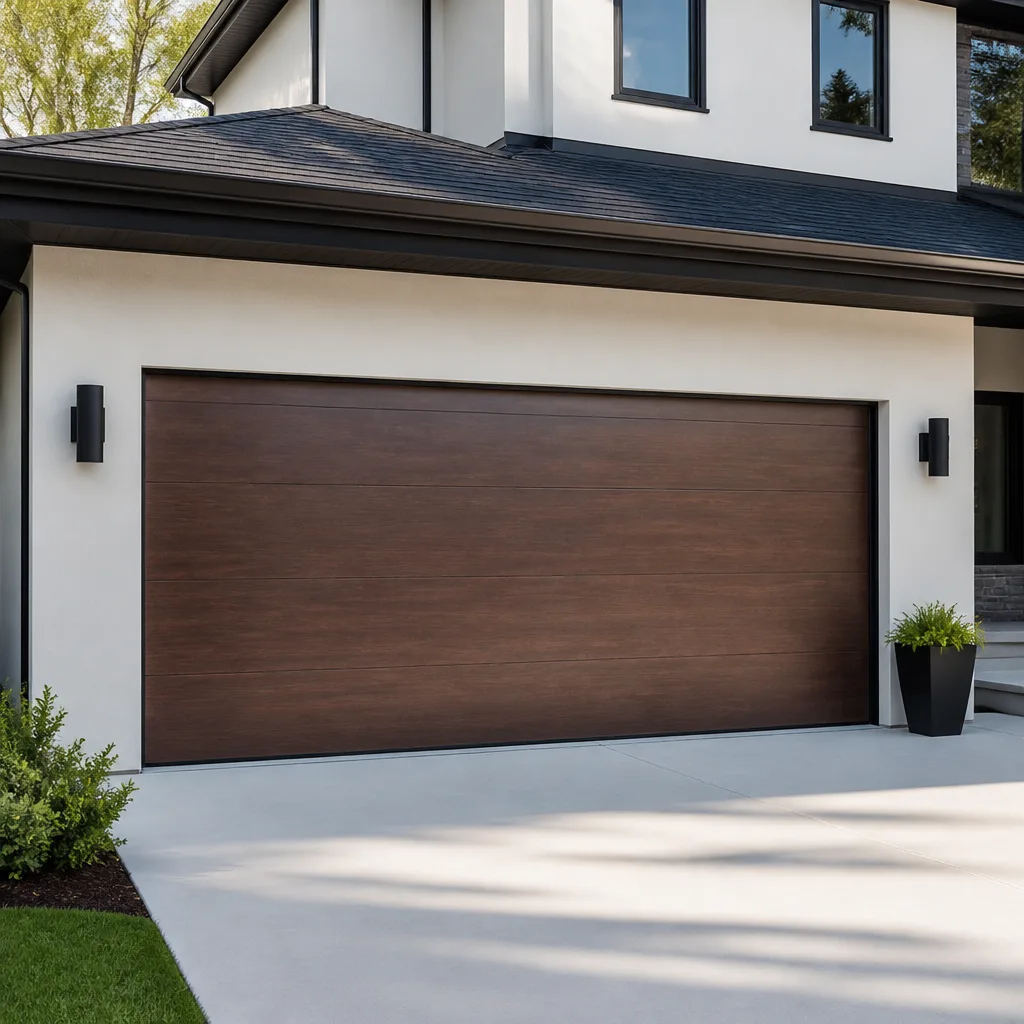 Modern flush
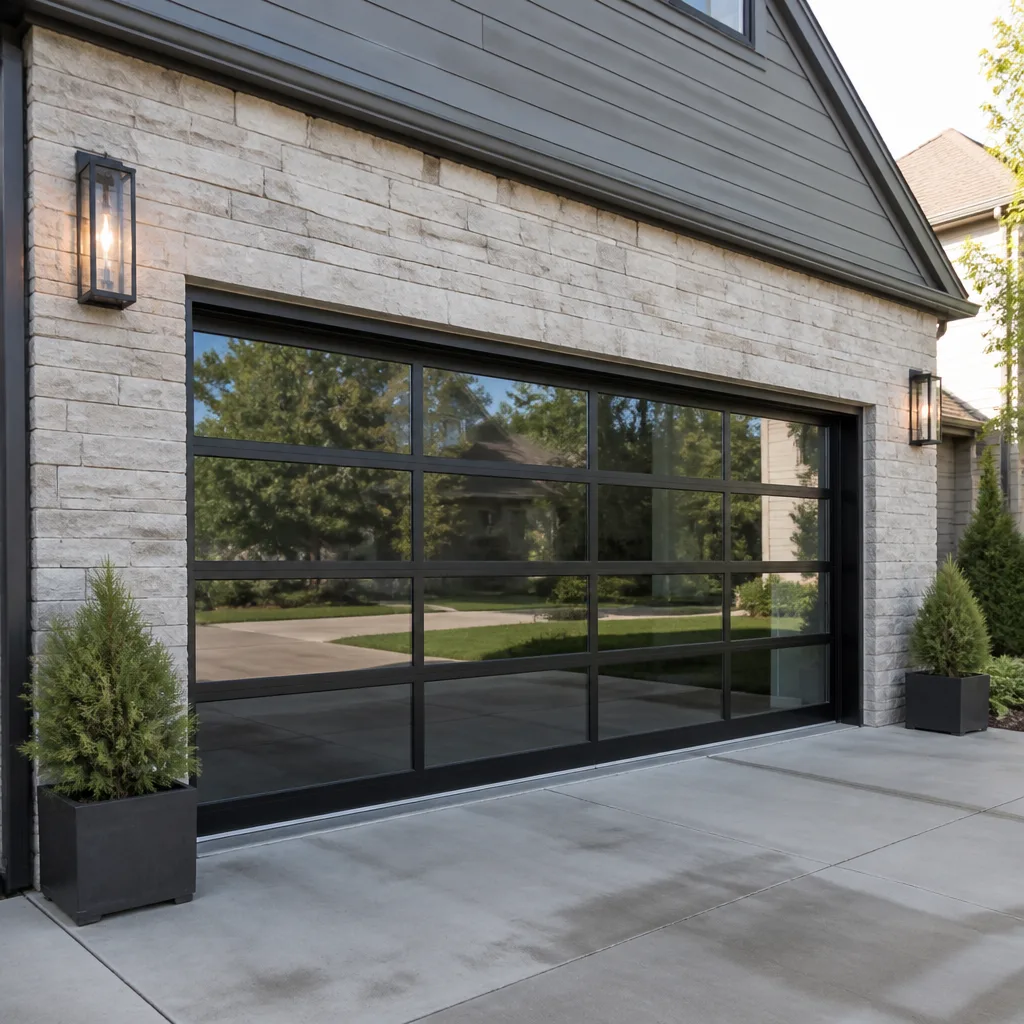 Full-view glass
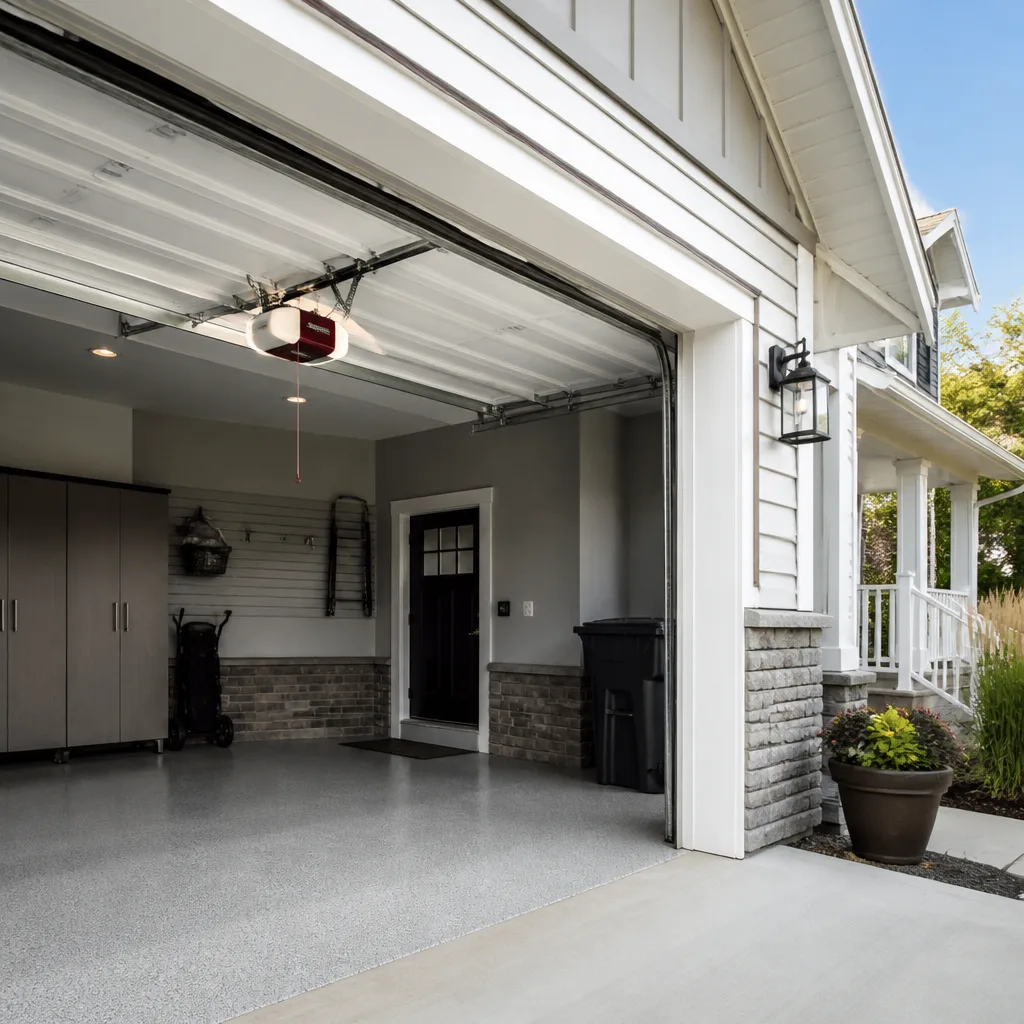 LiftMaster openers
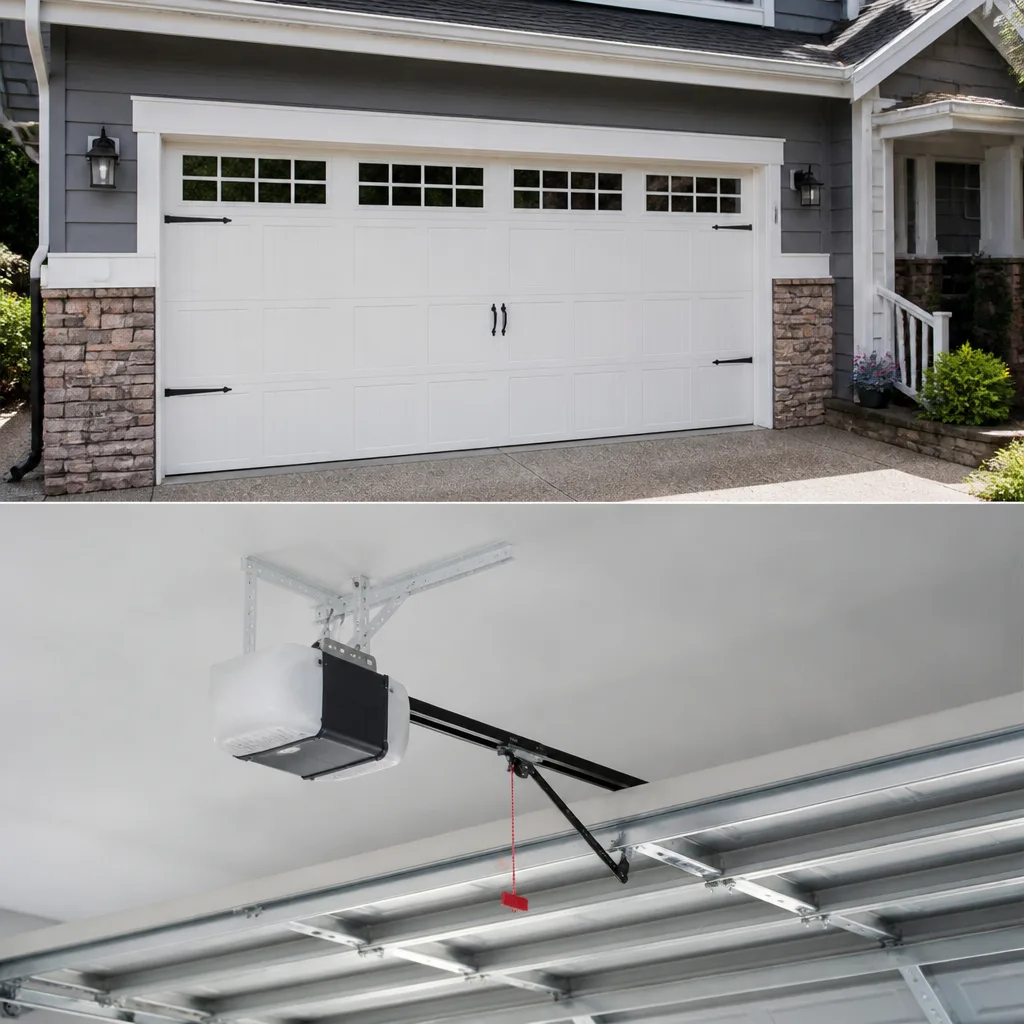 Chamberlain openers
Full 25-point door and opener safety check with every visit - springs, cables, rollers, tracks, and your LiftMaster or Chamberlain opener included
You get a price before we start. It does not change when the pro arrives.
Get your free estimateGarage Door Warning Signs: A Bloomington Homeowner’s Reference Guide
Most garage doors don’t fail without warning. They complain first – with a grind, a hesitate, a slight tilt, a squeal on the way down. The problem is that most homeowners don’t know what they’re listening to, so a signal that could have been a minor service call becomes a snapped spring or a door that won’t close. That’s the gap this guide fills. We work on garage doors across Bloomington every week, and we’ve learned to read the same sounds and movements you’re probably ignoring. Here’s how to decode them.
Quick Answer
Garage door warning signs fall into three categories: sounds (grinding, popping, squealing), movement (sagging, jerking, slow or uneven travel), and visual cues (frayed cables, rusted spring coils, worn rollers). Urgent signs – a snapped spring, a hanging cable, a door that won’t stay up – mean stop using the door now. Monitored signs – squeaks, minor vibration, slow hesitation – mean schedule service soon, before the problem spreads.
Styles & brands we work with
- Raised-panel steel
- Carriage house
- Modern flush
- Full-view glass
- LiftMaster openers
- Chamberlain openers
Table of Contents
- Sound-Based Diagnostic Index: What Each Noise Tells You
- Movement Signals: Sagging, Jerking, and Slow Travel
- Visual Warning Signs Most Homeowners Walk Past
- Urgent vs. Monitored: When to Stop Using the Door
- How Minnesota Conditions Accelerate Warning Signs
- Opener Warning Signs: When the Motor Is Telling You Something
- A Five-Minute Monthly Check You Can Do Safely
- Safety First: What Never to Touch Yourself
Sound-Based Diagnostic Index: What Each Noise Tells You
The sound a garage door makes is a direct diagnostic clue, and each type of noise maps to a specific component. Here’s what we listen for when we arrive on a call in Bloomington.
- Grinding: Metal-on-metal friction. Usually worn rollers, dry hinges, or a bent track. A steady grind that gets louder as the door rises points to the rollers first.
- Popping: A sharp pop when the door starts or stops often means a torsion spring is losing tension or a section hinge is failing. Repeated popping is an urgent signal.
- Squealing: High-pitched squeal usually comes from dry rollers, a dry torsion bar, or a worn bearing plate. It’s the most fixable sound on the list.
- Rattling: Loose hardware, a rattling panel, or a track that’s working its way out of its brackets. Rattling often worsens in cold months.
- Loud BANG from the garage: A torsion spring has likely snapped. Do not run the door again. This is the sound that generates most of our spring calls, and it’s the one you should never ignore.
- Whirring without movement: The opener motor runs but the door stays put. That’s a stripped gear, a broken chain or belt, or a stripped sprocket – a garage door opener repair job, not a spring job.
If you hear the bang, stop. A broken spring is a safety issue, not a maintenance item. It’s exactly the kind of work we specialize in through garage door spring repair, because high-tension springs are the one repair a general handyman should never take on.
Movement Signals: Sagging, Jerking, and Slow Travel
Watch your door through one full cycle and you’ll learn more about its health than any inspection report. Movement is where early warnings hide.
- Sagging on one side: The door looks tilted, or one corner lags behind the other. Usually a stretched or broken spring on one side, or a track that’s out of level. Left alone, this wears out the opener and can jam the door.
- Jerking or shuddering: The door moves in fits and starts instead of a smooth glide. Often a sign of a binding track, a bent roller, or uneven cable tension. This one usually gets worse under cold Minnesota starting conditions.
- Slow descent or hesitation: The opener seems to “think” before the door moves. Modern openers from brands like LiftMaster and Chamberlain use force sensors to compensate for resistance. Hesitation usually means something is resisting – a dry roller, a worn cable, or a weakening spring. The opener isn’t failing; it’s telling you the door is.
- Uneven closing: One side hits the floor before the other. This is almost always a cable or spring tension issue and should be looked at before the door starts scraping.
- Reversing for no reason: The door goes halfway down and reverses without an obstruction. Faulty sensors, a mis-set travel limit, or a worn opener gear. If the sensors are clean and the problem persists, the opener needs a professional look.
In our experience, movement signals are the easiest to check yourself – you can watch a full cycle in under 30 seconds – and the easiest to dismiss. A door that “has always been a little jerky” is a door whose rollers and cables are already wearing out.
Visual Warning Signs Most Homeowners Walk Past
You don’t need to climb a ladder to spot most visual warnings. A flashlight and a slow walk around the door will do it. Here’s what to look for.
- Frayed or kinked cables: Look at the cables on either side of the door. Frays, kinks, or a cable with a visible broken strand mean stop using the door. Cables are under extreme tension and can cause serious injury if they let go.
- Rust spots on spring coils: A single rust patch on a coil means the coating has failed and water got in. On newer springs this is minor; on an older spring it’s the beginning of a fracture point. Pay attention to the rust line, not just the rust itself.
- Roller wear patterns: Rollers should be round and free-spinning. Flat spots, cracks, or a roller that wobbles indicate it’s worn through its bearing. Replacing them early is inexpensive compared to the damage a seized roller can do to a track.
- Sagging panels: A dented or bowed panel usually comes from a minor impact. Left alone, a sagging panel binds in the track and stresses the opener.
- Loose brackets and bolts: Vibration works bolts loose over time. A visual check will catch the obvious ones, and a technician can check the hidden torsion hardware.
- Grease stains or drips: A dry torsion spring is begging for lubrication. Grease that looks dark or gritty means it’s collecting dirt and abrasive grit, which accelerates wear.
If any of these feel familiar, you’re already a step ahead of most homeowners in Bloomington. A quick phone conversation with our team can help you decide whether a visual warning is urgent or monitored.
Urgent vs. Monitored: When to Stop Using the Door
This is the most important distinction in the whole guide. Some warning signs mean “call us this week.” Others mean “stop using the door right now.” Getting this wrong is what turns a routine repair into a dangerous situation.
Stop using the door now (urgent)
- A loud bang followed by the door not moving freely: broken spring.
- A bent, hanging, or visibly frayed cable.
- A door that won’t stay up when you disengage the opener (a door should open to about halfway and stay put on its own).
- Visible gaps between the twist coils of a torsion spring, or a spring that’s drapey instead of tight.
- Any door that has shifted so far off the track it no longer runs straight.
Schedule service soon (monitored)
- Squealing, grinding, or rattling that starts and worsens during specific weather.
- Slow hesitation at the start of travel that doesn’t get worse over time.
- Visible roller wear, dry hinges, or minor track vibration.
- Any warning that’s been there for weeks without getting noticeably worse.
For a monitored issue, we’ll quote a repair and set a time. For an urgent one, we’re available for emergency garage door service – because when a spring snaps, waiting isn’t always safe. Call (855) 904-7314. We answer 24/7. Fast dispatch from 7am to 7pm, Sunday through Friday.
How Minnesota Conditions Accelerate Warning Signs
Warning signs in Bloomington look a little different than they do in a temperate climate, and national guides usually miss this. Here are the local factors that change what you should be watching for.
Cold contraction
Minnesota’s temperature swings stress metal hardware in a way warm climates don’t. Torsion springs, steel cables, and aluminum tracks all contract in sub-freezing cold. A roller that spins smoothly at 40 degrees may seize at 5 below. Cold contraction is why so many spring failures happen on the coldest mornings after the first hard freeze – and why doors that “worked fine last week” suddenly don’t.
Humidity swings and rust
Bloomington and the wider Twin Cities area sit in a humid continental climate. Summer humidity and winter dry air combine to cycle rust on unprotected hardware. That’s why we look at the specific coil where rust starts, not just the overall condition of the spring. A rust line is a stress point.
Road treatment salt and grit
Winter road treatment brings salt and grit into the garage through the vehicle, and that grit finds its way into hinges, rollers, and tracks. The grit acts as an abrasive, wearing through grease faster and accelerating roller wear. Homeowners who park inside daily and rarely clean the door see warning signs earlier than those who park outside. If you notice sandy grit on the horizontal tracks, wipe it out and re-grease before it grinds in.
Ice and snow buildup
Snow accumulation along the door’s bottom weather seal can freeze the door to the floor, and the opener’s safety system will reverse the door on its next cycle. That reverse isn’t a warning sign – it’s the safety system doing its job. But if the door keeps reversing after you clear the ice, the travel limit needs adjusting, and the door’s hardware may have been stressed.
Opener Warning Signs: When the Motor Is Telling You Something
A garage door opener is often the first piece of hardware to warn you about a problem with the door. Modern openers from LiftMaster and Chamberlain use force feedback and current sensing to detect resistance. When they start complaining, the door underneath is usually the reason.
- Opener sounds strained or runs longer than usual: Force is being consumed by friction somewhere in the door. Worn rollers, dry hinges, or a weakening spring are the usual suspects.
- Remote range has dropped: A remote that needs to be closer than it used to may indicate a failing logic board or stale battery. Start with the battery; if it’s fresh, the opener needs a look.
- Wi-Fi or smart-home app disconnects: A smart opener that keeps dropping its connection is usually a signal issue rather than a mechanical one, but it’s worth checking alongside the door’s hardware.
- Lights flicker or stay on: The opener’s internal board or safety sensor alignment may be the culprit. This one needs diagnosis rather than guesswork.
- Motor hums but doesn’t move the door: Stripped gear or a broken chain, belt, or sprocket. This is common on older Genie and Craftsman units and is usually repairable without replacing the whole opener.
For opener-specific issues, we handle garage door opener repair across LiftMaster, Chamberlain, Genie, and Craftsman – both the traditional models and the Wi-Fi-enabled ones. If your door is on a Raynor or Amarr system instead, we’re familiar with those too.
A Five-Minute Monthly Check You Can Do Safely
Fifteen minutes a month, done correctly, will catch most warning signs before they turn into a call. Here’s the walkthrough we recommend to Bloomington homeowners who want to stay on top of their door.
- Listen through one cycle. Stand back and run the door up and down. Note every sound. New sounds are your warning; familiar sounds are not.
- Watch for hesitation. Does the door start with a delay, jump, or lag? Note it.
- Look at the springs. With the door closed, look at the torsion spring above the door or the extension springs on either side. Look for gaps, rust lines, or loose hardware.
- Check the cables. Look at the cables that run up each side. A single frayed strand means stop and call.
- Eyeball the rollers. Rollers should be round and clean. Any wobbly or flat-spotted roller needs replacement.
- Test the balance. Disengage the opener (usually a red handle or tab), open the door to about waist height by hand, and let go. A balanced door stays in place. A door that drops or rises on its own is out of balance and needs service.
- Clean the safety sensors. The two small lenses near the floor should be clean and aligned. Wipe them with a dry cloth and check that the opener’s indicator light is steady.
Notice what this checklist deliberately avoids: tightening or adjusting springs or cables. Those aren’t user-serviceable parts. If the balance test reveals a problem, stop and call. We work on all major brands, including Raynor and LiftMaster, if you want a brand-specific diagnostic.
Safety First: What Never to Touch Yourself
Garage door springs and cables store an enormous amount of energy. A torsion spring can release that energy with enough force to seriously injure or kill someone standing in the wrong place. This isn’t a warning to scare you off DIY tune-ups – lubrication, roller replacement, and cleaning are all reasonable homeowner tasks. But the moment a warning sign points to a spring, a cable, a torsion bar, or a high-voltage opener board, that’s the boundary.
If a spring has snapped, a cable is frayed, or the door won’t balance properly, stop using it, keep people clear, and call for professional help. Our technicians have up to 10 years of experience, and spring replacement is a routine part of what we do. If the door has to come off its tracks to make the repair safe, we can handle that too – that’s part of what garage door repair covers.
Common Mistakes to Avoid
- Ignoring a hesitation. A half-second delay before movement is a signal, not a quirk. Waiting often means waiting for a snapped spring.
- Tightening a torsion spring yourself. Never. A torsion spring carries enough force to break bones. This is the repair most handymen decline for good reason, and it’s the one that should go to a trained technician.
- Treating a single rust spot as cosmetic. On a torsion spring, a rust line is where the coil will eventually fracture. On a cable, it’s where the strand will snap. Rust is a timing signal, not a paint problem.
- Skipping the balance test. A door that drops or rises on its own when disengaged is out of balance, even if it seems to open fine with the opener. The opener is masking a problem.
- Using WD-40 on the tracks. Tracks should stay dry and clean. Lubricant on a track attracts grit and turns into a grinding paste. Only the springs, hinges, and rollers need lubrication, and it should be a proper garage door lubricant.
- Washing down a door without wiping off road salt. Salt and grit from vehicles accelerate roller wear. A quick wipe-down monthly will add years to the hardware.
- Assuming a smart opener means fewer problems. A LiftMaster or Chamberlain with Wi-Fi is a great investment, but the network connection doesn’t protect the springs, cables, or rollers. The mechanical warning signs still apply.
See the difference
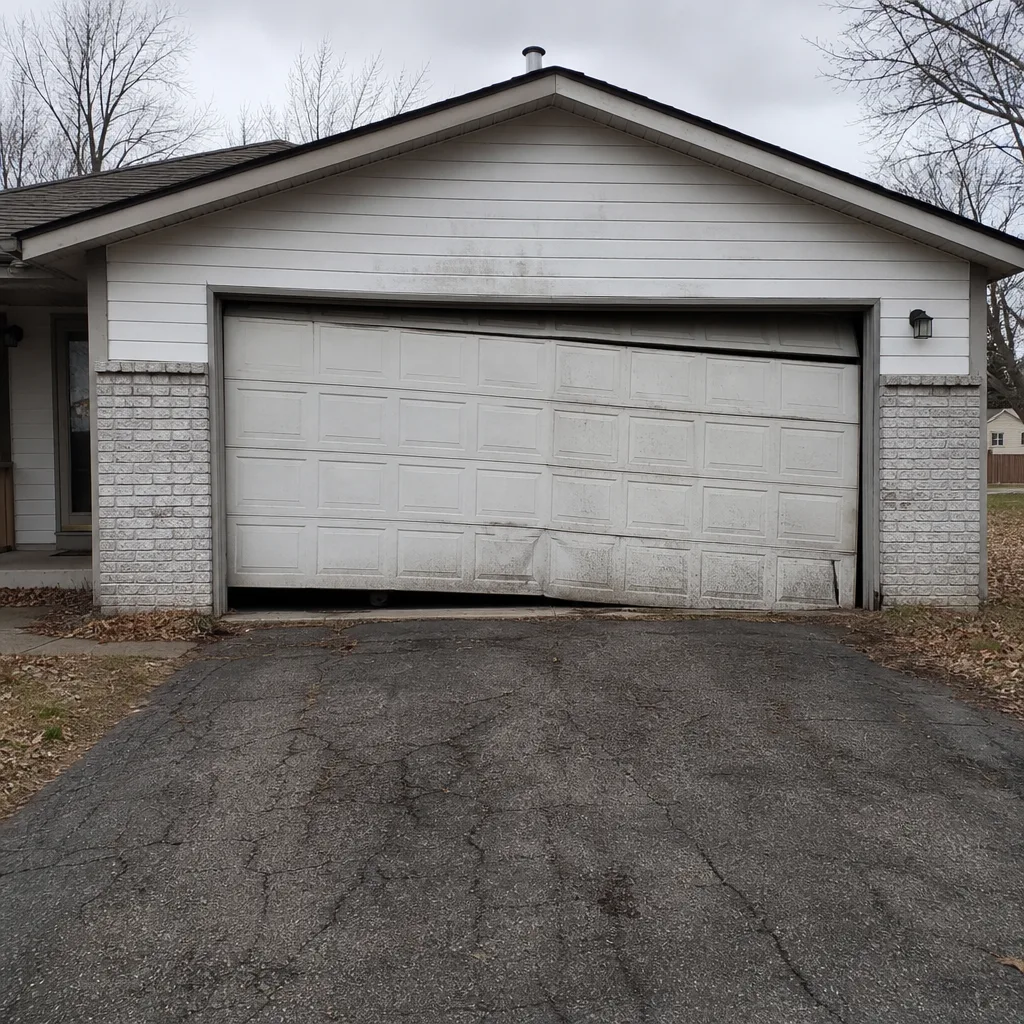 Before
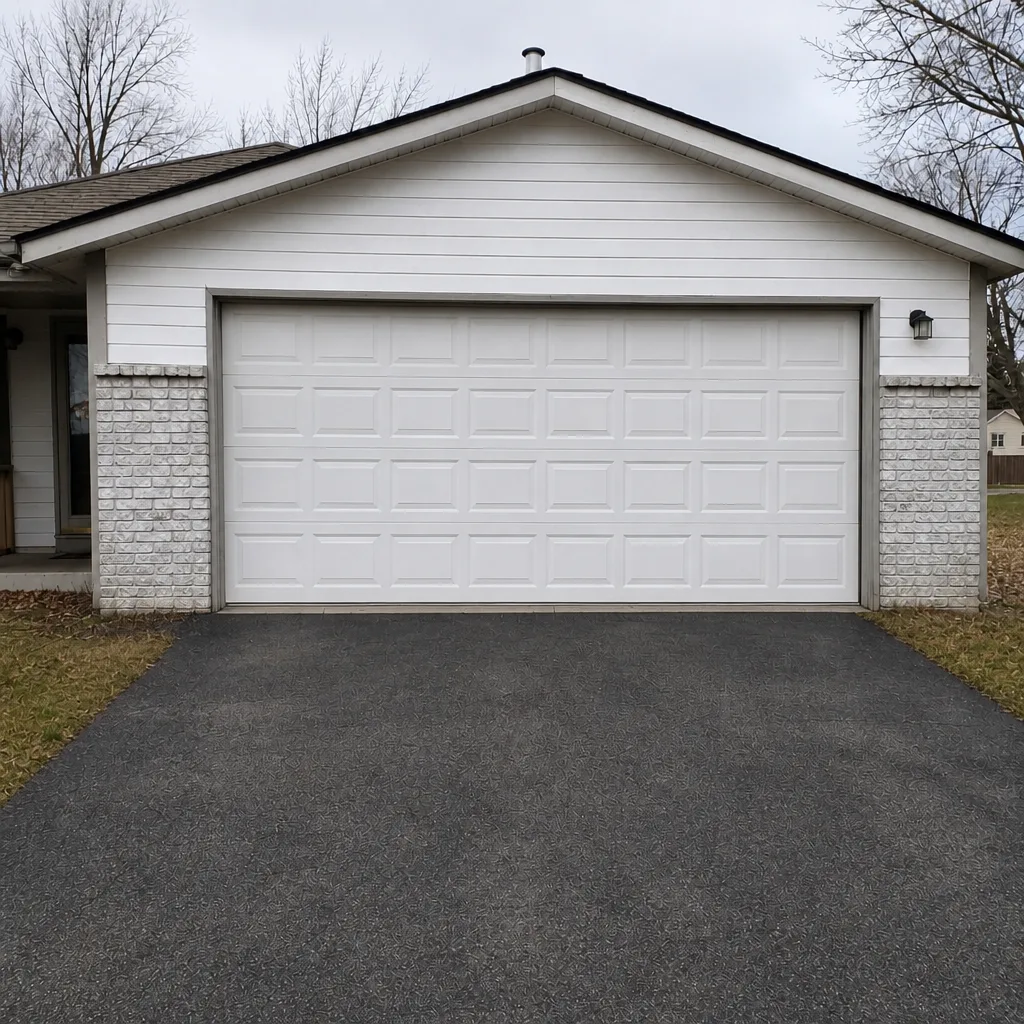 After
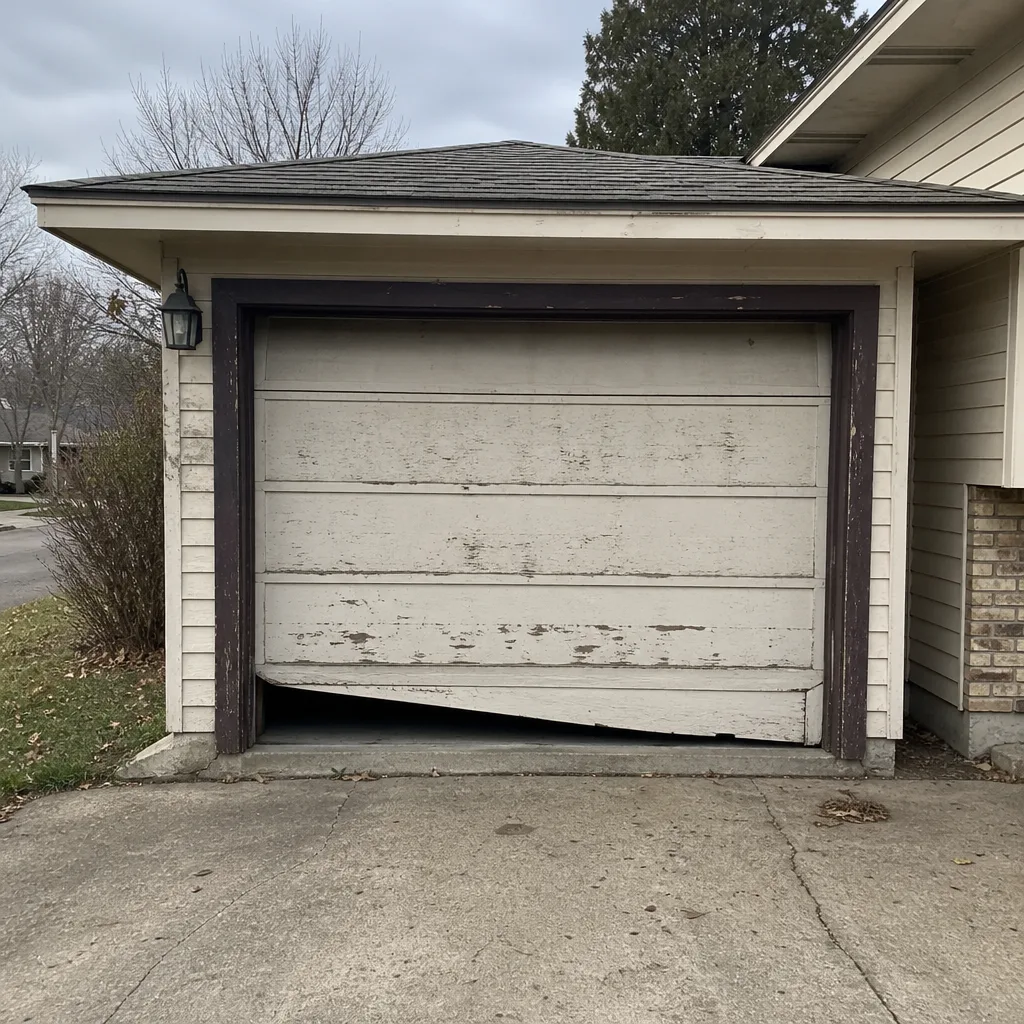 Before
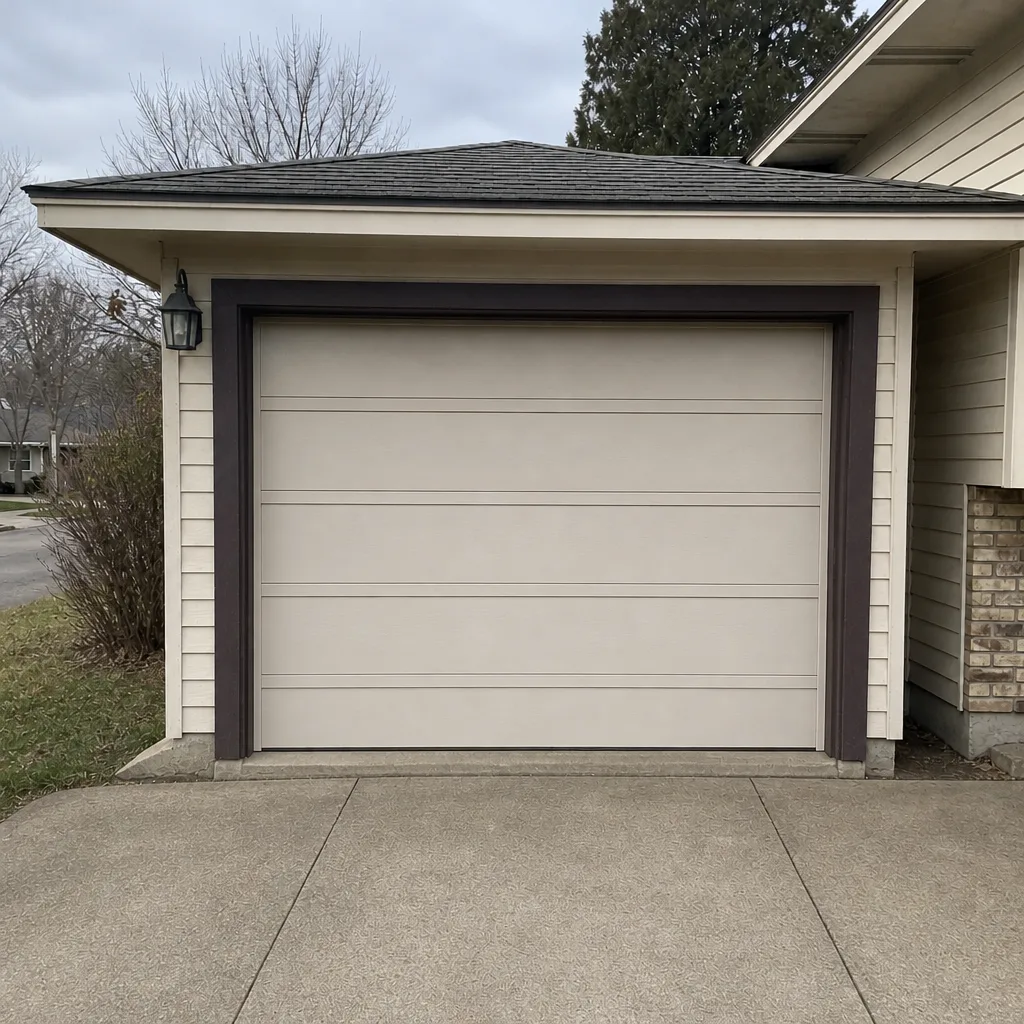 After
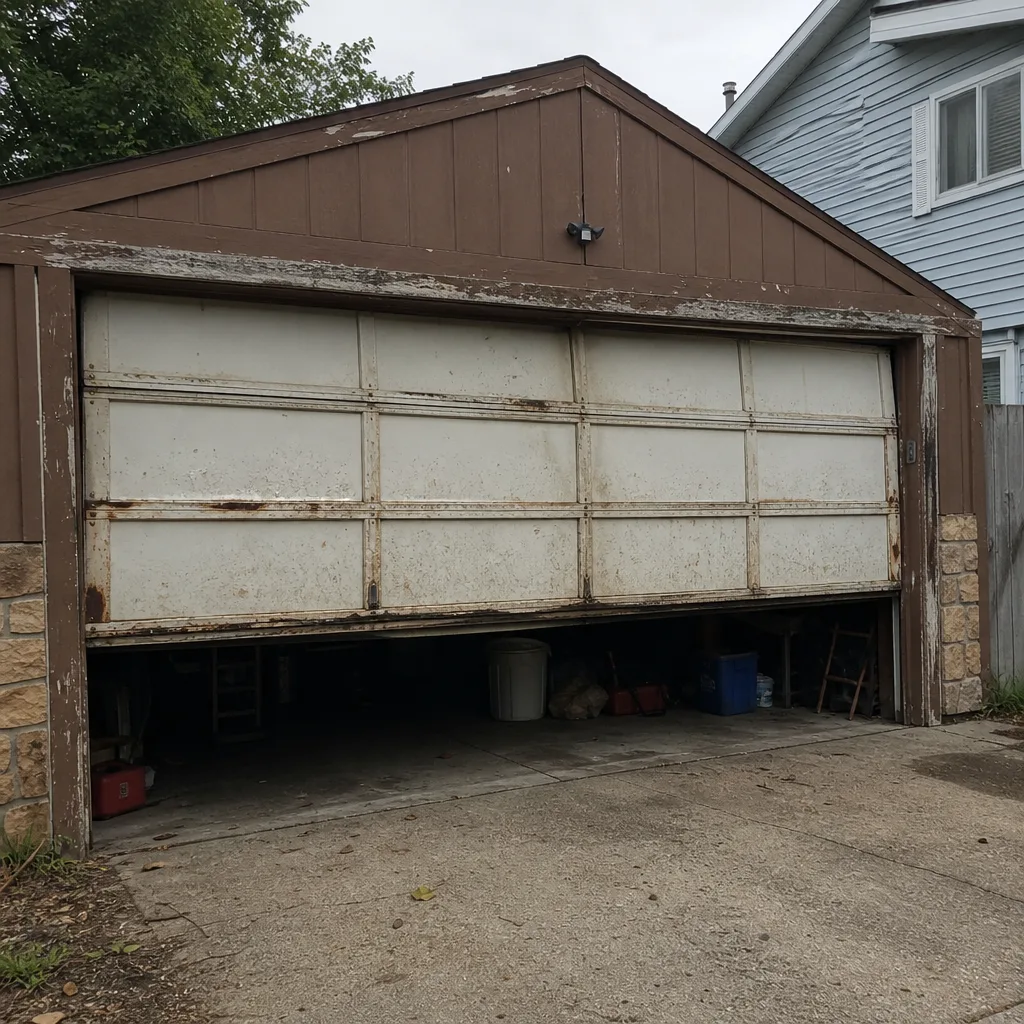 Before
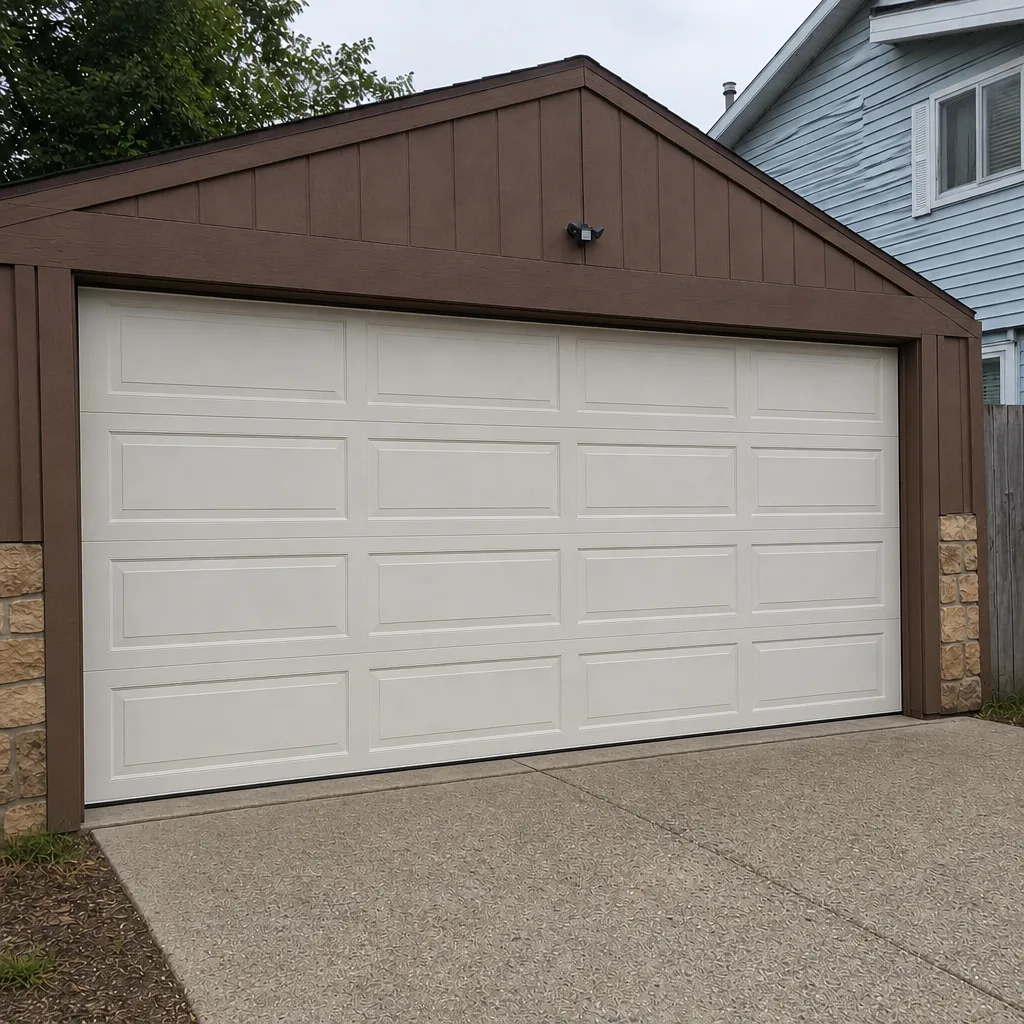 After
When to Call a Professional
Call a professional for anything involving a broken or sagging spring, a frayed cable, an off-track door, a door that no longer balances, an opener that hums without moving the door, or any warning sign that’s getting worse week over week. If you’re unsure whether a signal is urgent or monitored, a phone call is the fastest way to find out. Bloomington Garage Door Repair Pros offers free estimates in Bloomington – call (855) 904-7314. We answer 24/7. Fast dispatch from 7am to 7pm, Sunday through Friday. Our technicians have up to 10 years of experience, and the price is quoted and agreed before any work starts. When it comes to warning signs, the cost of waiting is usually higher than the cost of fixing.
Frequently Asked Questions
The most common warnings are a hesitation before the door moves, a grinding or squealing sound during travel, a visible rust line on a spring, and a door that sags on one side. Any of these means it’s time to look more closely. Call (855) 904-7314 for a free estimate if any of them sound familiar.
Look for a gap between the twist coils, visible rust along a single coil, or a door that suddenly feels heavier than it used to. A sharp popping sound at the start of travel is often an early warning. If you see or hear any of these, stop using the door and call for professional help – spring failure can be dangerous.
Repair costs vary by job – a basic tune-up or roller replacement is at the low end, spring and cable work at the higher end, and the written estimate sets the final price. Every estimate is free, and we quote before any work starts. Call (855) 904-7314 for an exact quote. Estimates are free.
Yes – same-day service is often available for urgent situations, and emergency garage door service is part of our offering when a failure creates a safety or security risk. Call (855) 904-7314. We answer 24/7. Fast dispatch from 7am to 7pm, Sunday through Friday. A call outside dispatch hours is booked into the next opening.
The written estimate is the price – if the technician finds an unrelated issue during the visit, we explain it before doing any additional work, and nothing gets added without your agreement. No surprise invoices. Call (855) 904-7314 for a free estimate.
The local professionals we connect you with are licensed and insured as their state requires, and they’re experienced with the brands we service. Our technicians have up to 10 years of experience. Call (855) 904-7314 to discuss your door.
The Bottom Line
Garage door warning signs are readable – once you know what to listen for. Sound tells you which component is wearing. Movement tells you whether the door is staying in balance. Visual checks catch the things you’ll never hear, like a rust line or a frayed cable. The urgent-versus-monitored distinction is what separates a routine service call from a dangerous situation, and in Bloomington, cold contraction, salt grit, and humidity swings all accelerate the warnings. If you’ve spotted one, don’t wait. Call (855) 904-7314. We answer 24/7. Fast dispatch from 7am to 7pm, Sunday through Friday. Free estimates, and the price is agreed before any work begins. For broader guidance, visit Bloomington Garage Door Repair Pros.
Written by the team at Bloomington Garage Door Repair Pros.