
Last updated November 21, 2026
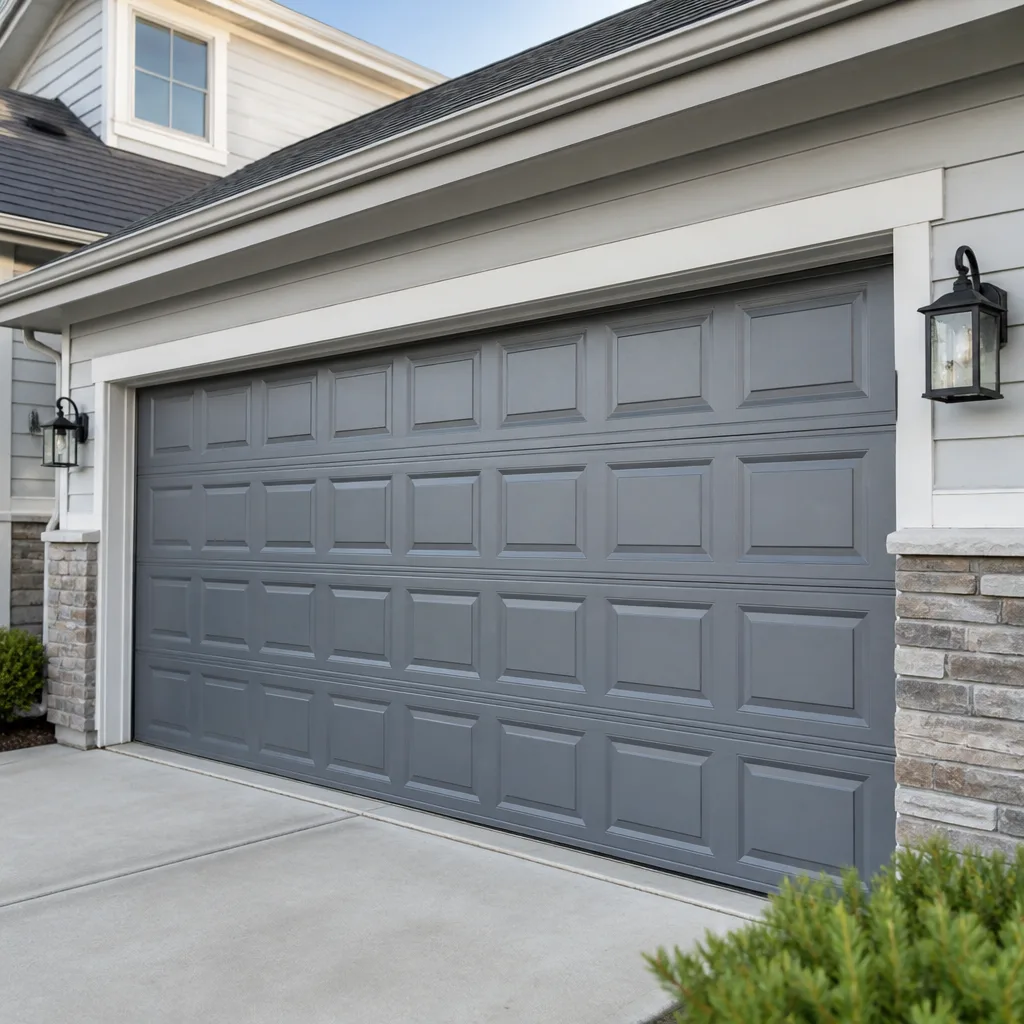 Raised-panel steel
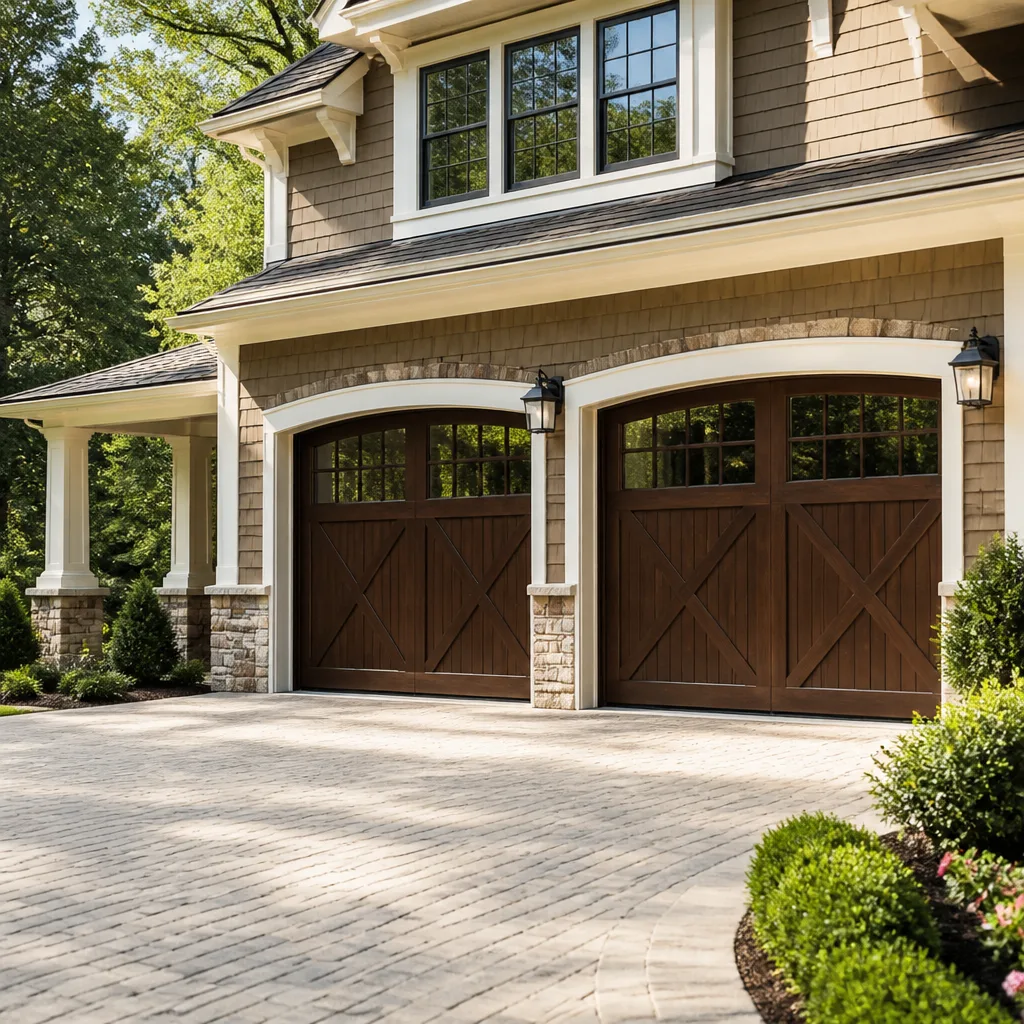 Carriage house
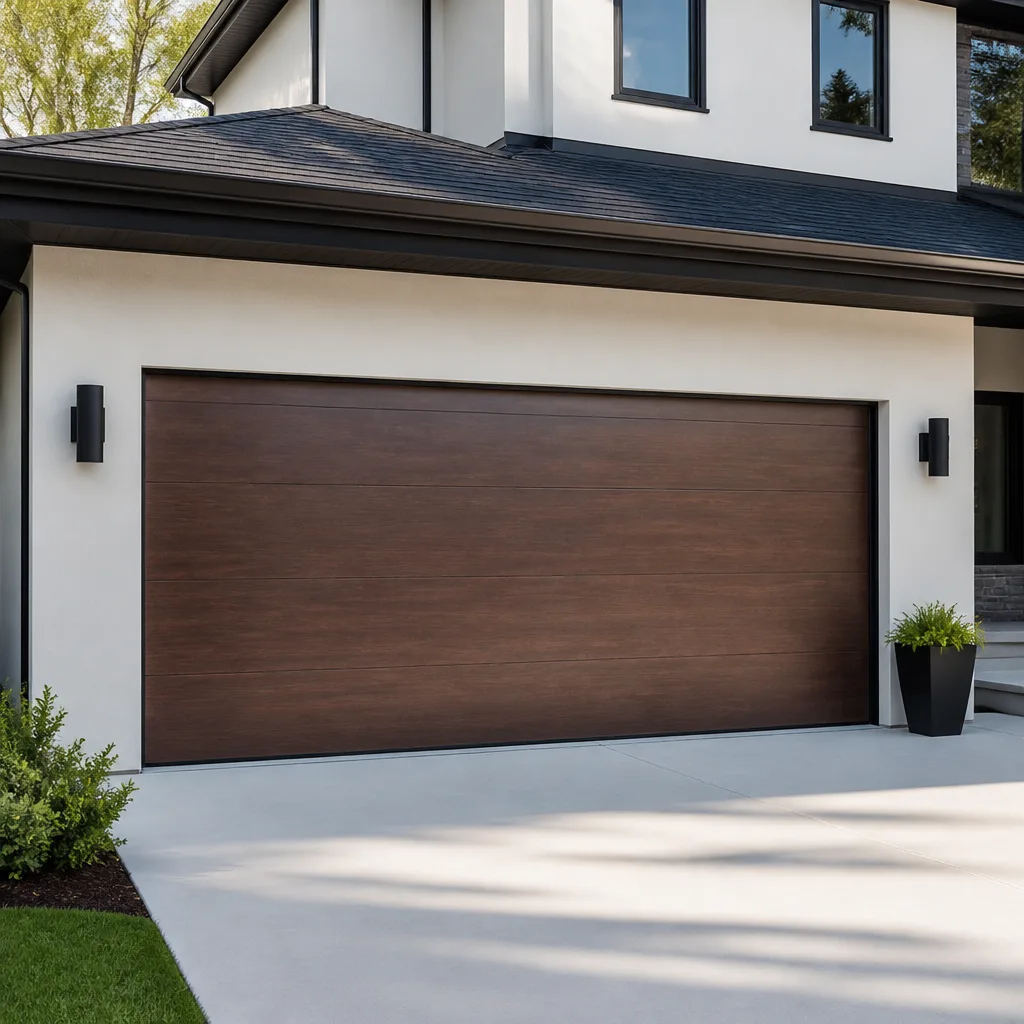 Modern flush
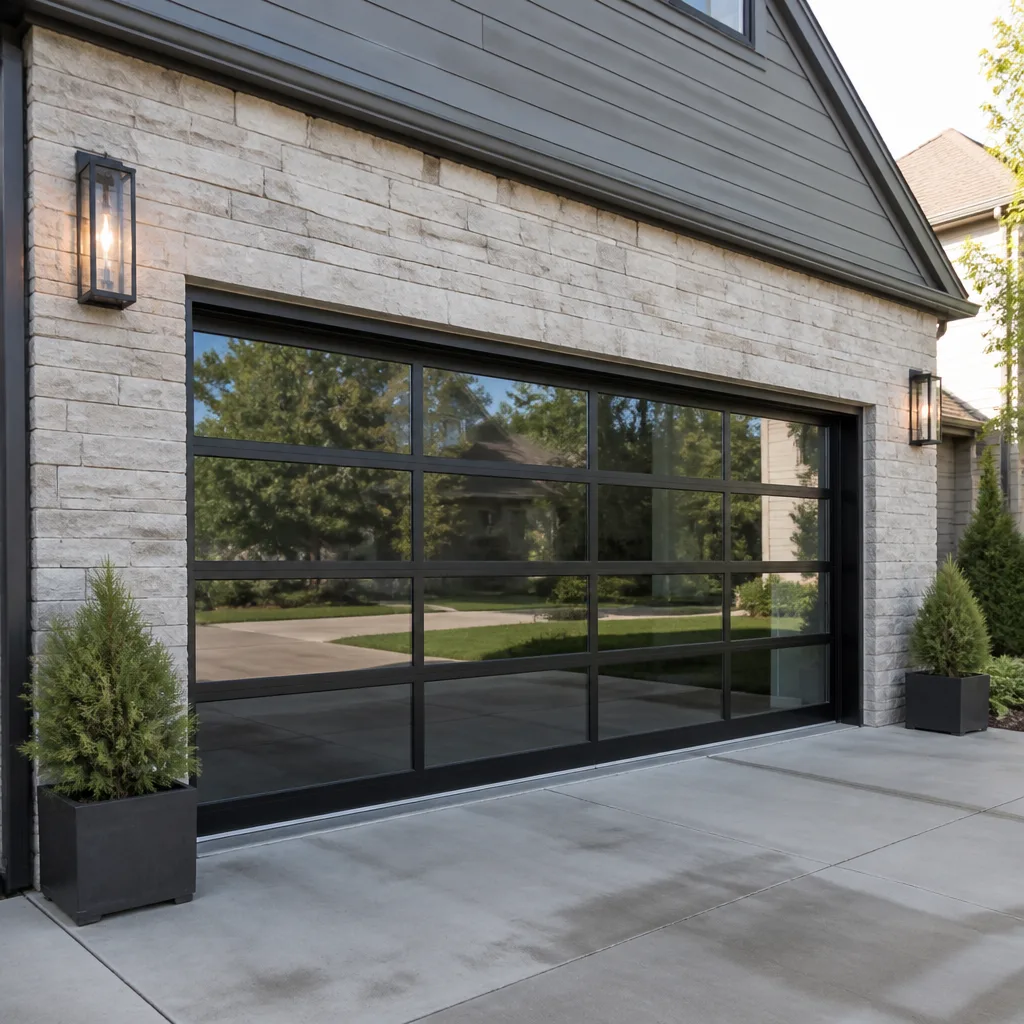 Full-view glass
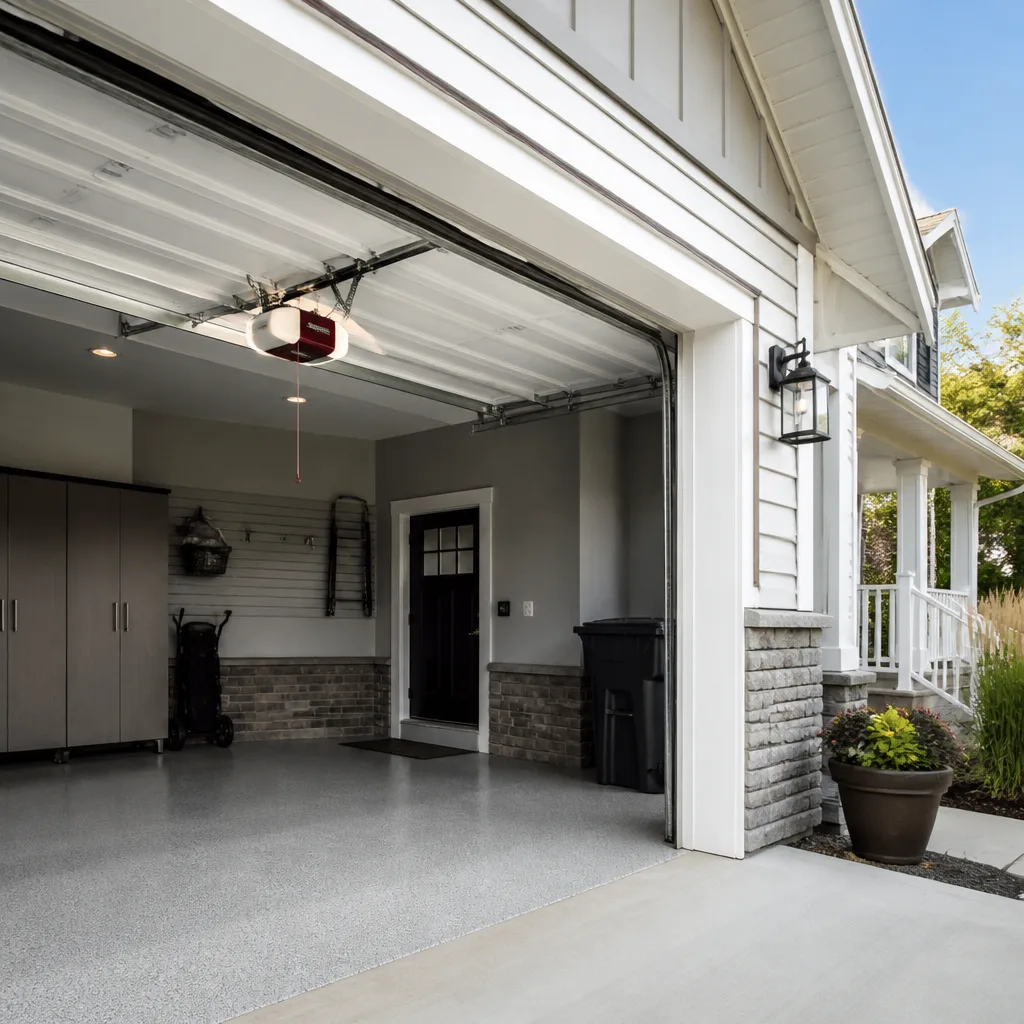 LiftMaster openers
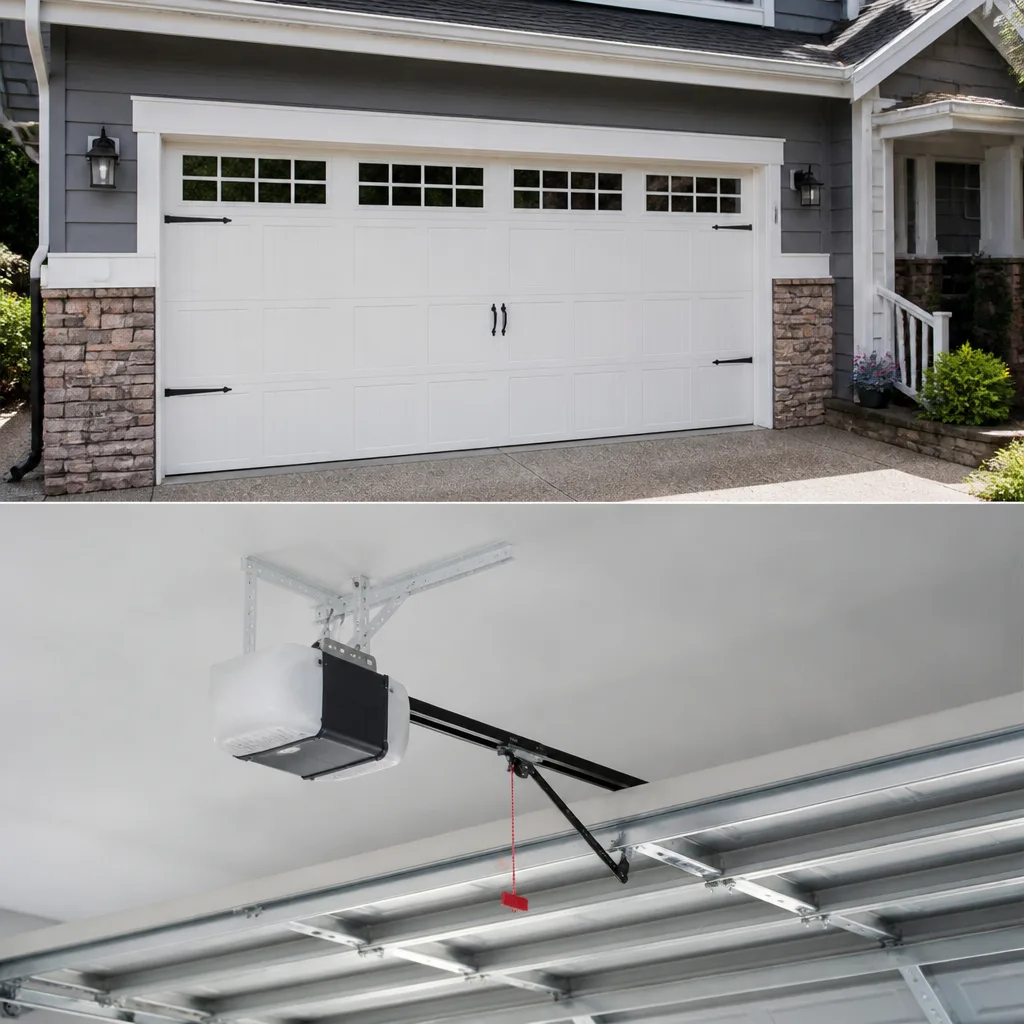 Chamberlain openers
Full 25-point door and opener safety check with every visit - springs, cables, rollers, tracks, and your LiftMaster or Chamberlain opener included
You get a price before we start. It does not change when the pro arrives.
Get your free estimateHow to Hire a Garage Door Contractor in Bloomington: A Step-by-Step Guide
Minnesota doesn’t license garage door technicians. That’s the uncomfortable fact behind most bad garage door hires in Bloomington. The person who quotes your spring replacement may have learned the trade last week, and nothing on the truck, the invoice, or the uniform will tell you. Garage door work sits in a gap: general contractors don’t cover it, handymen often decline high-tension springs, and homeowners are left guessing. This guide gives you the exact questions, quote structures, and red flags that separate a real specialist from an order-taker – so the door you pay for now is still working the way it should years from now.
Quick Answer
To hire a garage door contractor in Bloomington, verify insurance with a certificate sent directly from the insurer, ask specific questions about spring type and cycle life, demand a written quote that names the parts and brands, and confirm warranty terms in writing before anyone touches the door. A technician who can’t answer technical questions about springs, openers, or balance is not a specialist – they’re guessing. The right contractor quotes in writing, explains what’s failing and why, and never pushes a replacement before a proper diagnosis.
Styles & brands we work with
- Raised-panel steel
- Carriage house
- Modern flush
- Full-view glass
- LiftMaster openers
- Chamberlain openers
Table of Contents
- Why Minnesota Doesn’t License Garage Door Technicians
- The Questions That Separate Specialists From Order-Takers
- What Insurance Actually Covers on Garage Door Work
- How to Read a Garage Door Quote
- Red Flags Specific to Garage Door Work
- Verifying Local Reputation Beyond Google Reviews
- Why Brand Coverage Matters in Bloomington
- Common Mistakes to Avoid
Why Minnesota Doesn’t License Garage Door Technicians
Minnesota requires licenses for electricians, plumbers, and residential contractors above certain thresholds – but garage door technicians fall outside those categories. That means anyone can print a business card and knock on your door in Bloomington. No state board checks their training. No exam confirms they know what a torsion spring is or how to safely wind one.
This is not a technicality. Garage door springs store enormous energy. A torsion spring under tension can cause serious injury if it releases unexpectedly, and that’s why spring replacement is one of the few repair jobs in home service that carries real, immediate physical risk. General handymen often decline the work for exactly this reason. When someone with no verifiable training offers to do it cheaply, the cheapness usually reflects the risk they don’t understand.
What does this mean for you as a homeowner? You have to do the vetting the state doesn’t. A few things help:
- Ask about training and experience directly. Technicians with real tenure can describe how they learned the trade, what brands they’ve worked on, and where they’ve seen failures. Our technicians have up to 10 years of experience, and that’s the kind of number you should be able to ask any contractor for.
- Ask what they specialize in. A company that handles garage door spring repair as core work is not the same as a handyman who does it as a side job.
- Look for a service that covers the full scope. Repair, opener diagnostics, springs, and installation under one company means no handoff, no subcontractor, and no finger-pointing when something goes wrong.
None of this guarantees a great hire, but it filters out the worst of the field before you ever schedule a visit.
The Questions That Separate Specialists From Order-Takers
You don’t need to know how to replace a spring to evaluate the person quoting one. You need to know which questions a knowledgeable technician can answer without hesitation – and which ones make an order-taker stumble.
Ask these before booking work on your Bloomington home:
- “What type of spring is on my door – torsion or extension?” A specialist will ask you to describe the door or come measure. An order-taker may ask you to send a photo and guess. The answer matters because torsion and extension springs fail differently and are replaced differently.
- “What’s the cycle life on the spring you’re quoting?” Cycle life is the number of open-close cycles a spring is rated for before failure. A knowledgeable tech can name a figure. A vague answer (“the standard one”) means you’re getting whatever’s cheapest in the van.
- “What’s the IPPT rating?” IPPT stands for inch-pounds per turn, and it’s a spec that controls spring tension. Any technician who winds springs for a living knows this off the top of their head. If they don’t, they don’t do spring work often enough to be safe.
- “What brand is my opener and what parts are you replacing?” A specialist can tell you what’s on your ceiling – LiftMaster, Craftsman, Wayne Dalton, Raynor, and so on – and name the parts being replaced. “The opener’s just old” is not a diagnosis.
- “Can you quote me over the phone or after a quick look?” For a straightforward repair, yes. For a spring or opener issue that needs eyes on it, a real specialist will say so and explain why. What they won’t do is refuse any pre-visit information at all.
- “What’s the warranty on the parts and labor?” A specialist answers immediately. An order-taker deflects.
Write the answers down. If the person on the phone can’t answer questions two and three, you’ve found the wrong contractor for spring work – regardless of what the quote says.
What Insurance Actually Covers on Garage Door Work
Minnesota requires most home service businesses to carry general liability insurance and, above certain employee thresholds, workers’ compensation. What those policies actually cover matters in specific ways for garage door work – and a certificate of insurance is the only way to know your contractor is covered.
Here’s why it matters for a garage door, specifically:
- Property damage is realistic. A dropped door panel cracks concrete. A snapped cable damages siding. Improperly balanced doors damage openers. General liability covers this if the contractor has it.
- Injury risk is real. Spring work can injure the technician. If they aren’t covered by workers’ comp, that injury can become your liability as the homeowner in some cases.
- Balance and alignment mistakes show up later. An unbalanced door stresses the opener and can fail months after the job. Liability coverage addresses the immediate damage; warranty coverage addresses the long-term failure.
Ask for a certificate of insurance, and ask that it be sent directly from the insurer or the contractor’s agent – not a screenshot or a PDF you can’t verify. The certificate should list general liability and, where applicable, workers’ compensation. If a contractor hesitates, that’s your answer.
The local pro we connect you with is licensed and insured as their state requires, and we can point you toward the documentation to confirm it. Insurance isn’t a formality on garage work – it’s how you protect the most expensive thing on your property, which is your home.
How to Read a Garage Door Quote
A garage door quote is a document you should be able to read months later and understand exactly what was done. If you can’t, it’s not a quote – it’s a number on a piece of paper.
A well-structured quote includes:
- Named parts and brands. “Torsion spring, matched pair, rated for [cycle life]” tells you what you’re getting. “Spring replacement” tells you nothing.
- Labor and material broken out. Even a combined total should show the labor portion separately.
- Warranty terms in writing. Parts and labor, with the duration of each.
- A stated total that matches the verbal estimate. If they don’t match, get the discrepancy fixed before work starts.
- Confirmation that this written quote is the price. The final bill should match the written estimate – no surprises for parts that “had to be upgraded” mid-job.
Here’s the pattern that trips people up: a suspiciously low spring price usually means a shorter-life spring, not a better deal. Springs are rated by cycle life, and lower-rated springs cost less. A cheap spring on a busy door in Bloomington can fail in a few years instead of lasting the life of the door. The labor to redo it is the same either way, so the “cheap” job costs more over time.
Ask specifically: “What cycle life is the spring you’re quoting?” If the answer is vague, ask for a specific rating. And ask whether the pair is being replaced together – matched springs should be, since replacing one and not the other causes uneven tension and premature failure. A spring price is for one spring; a matched pair is usually about twice that.
Red Flags Specific to Garage Door Work
Garage door work has its own warning signs. These are the ones we see repeatedly in Bloomington:
- They refuse to quote over the phone or after a quick look. Honest contractors can give a ballpark or explain why they can’t. A refusal to discuss price at all is a setup for a high-pressure in-person pitch.
- They push an opener replacement before diagnosing. A dead opener can be a sensor, a stripped gear, a bad logic board, or a power issue. Replacing the whole opener without a diagnosis is the most common upsell in this trade. Ask what’s failing.
- They can’t name the parts they’re replacing. “The spring thing” is not a part. “The torsion spring” is.
- They don’t mention cycle life. Spring cycle life is the primary quality indicator. If your contractor doesn’t bring it up, they’re not thinking about the long term.
- The quote is verbal only. A contractor who won’t put the price in writing is a contractor you can’t hold to anything.
- No certificate of insurance. See the insurance section above.
- They can’t talk about balance. A properly hung door stays open at half-height, closes evenly, and doesn’t stress the opener. A contractor who never checks balance is doing half the job.
Any one of these is worth a follow-up question. Two or more together is a reason to look elsewhere.
Verifying Local Reputation Beyond Google Reviews
Reviews help, but they can be gamed. To verify a garage door contractor in Bloomington beyond star ratings, check three things:
- BBB records. The Better Business Bureau tracks complaints, not just ratings. Look for complaint patterns (repeated “quote didn’t match final bill” is a real signal) and whether complaints were resolved. A high rating with unresolved complaints tells you less than a middling rating with a record of resolution.
- Warranty terms in writing. A contractor who stands behind work will put warranty terms in writing before the job. A contractor who won’t is making an oral promise they can ignore later.
- Breadth of service. A contractor who does only springs, or only installations, will refer you elsewhere when the job shifts. One who covers repair, opener work, springs, and installation together is easier to hold accountable – and easier to call back if something goes wrong six months later.
Also worth checking: what brands the contractor actually services. If they claim to handle “all brands,” ask which ones specifically. A company that services LiftMaster, Chamberlain, Genie, Clopay, Amarr, Wayne Dalton, Craftsman, and Raynor can be specific because they actually work on those systems. A company that lists nothing specific is guessing.
If you’re searching for Bloomington garage door repair pros, look for the same signals: explicit brand coverage, written warranty terms, and a documented record you can verify. Reviews are the starting point. Records are the confirmation.
Why Brand Coverage Matters in Bloomington
Your garage door and opener are a system, and the brand on each matters for repair and replacement. Bloomington has a wide range of homes: older properties with legacy openers still running on original motors, mid-century homes with Wayne Dalton systems, and newer builds with smart, Wi-Fi-connected LiftMaster and Chamberlain units.
When you hire a contractor, ask which brands they actually service. Different brands use different control boards, different sensor logic, different parts supply chains, and different warranty processes. A contractor who handles only one or two brands will either refer you elsewhere when you have a Craftsman opener and a Raynor door, or try to force a replacement because they don’t want to source the right part.
The practical consequences of narrow brand coverage:
- Delayed repairs. If the contractor has to order from a brand they rarely touch, your door stays broken longer.
- Forced replacements. A contractor without the right parts knowledge may recommend a full opener swap that isn’t necessary.
- Compromised installation. Mixing a new opener with an unmatched door causes balance and tension problems down the line.
We work on LiftMaster, Chamberlain, Genie, Clopay, Amarr, Wayne Dalton, Craftsman, and Raynor systems. No matter what brand is on your door or opener, the diagnosis and repair process is the same starting point – find what’s failing, explain it, and quote the fix in writing.
Openers deserve their own note. Legacy openers and smart, Wi-Fi-enabled openers fail differently. A legacy unit usually fails on a stripped gear or a worn sensor. A smart opener may fail on the logic board or a connectivity module, and diagnosing it is a different job. If your opener is misbehaving, call us for a proper garage door opener repair diagnosis before you accept a replacement quote.
Common Mistakes to Avoid
- Choosing the lowest quote without asking about cycle life. A cheap spring is cheap because it’s rated for fewer cycles. You’ll pay the labor again years earlier than necessary. Ask for the cycle rating before you compare prices.
- Accepting a verbal estimate. Verbal quotes can’t be held to anything. If the final bill differs, you have no recourse in Bloomington or anywhere else. Get everything in writing.
- Letting anyone wind a spring without confirming training. Spring work carries real injury risk, and unqualified techs cause failures. Ask what training they have and what brand-specific work they’ve done. And never try spring replacement yourself – it’s the highest-risk DIY job in home repair.
- Replacing an opener before diagnosis. A dead opener can be a sensor, a gear, a board, or a power problem. Diagnosis first. Replacement is a last resort, not a first step.
- Skipping the insurance check. Ask for a certificate of insurance, sent from the insurer. This is the single most important verification step in garage door work, and homeowners skip it constantly.
- Ignoring balance after installation. A door that slams down or doesn’t stay open at half-height is out of balance. It stresses the opener and shortens its life. Ask explicitly how the door will be balanced.
- Booking work on a brand the contractor doesn’t service. If they can’t name your brand, ask how they’ll get parts. Your door shouldn’t have to wait while a contractor figures out a supply chain.
See the difference
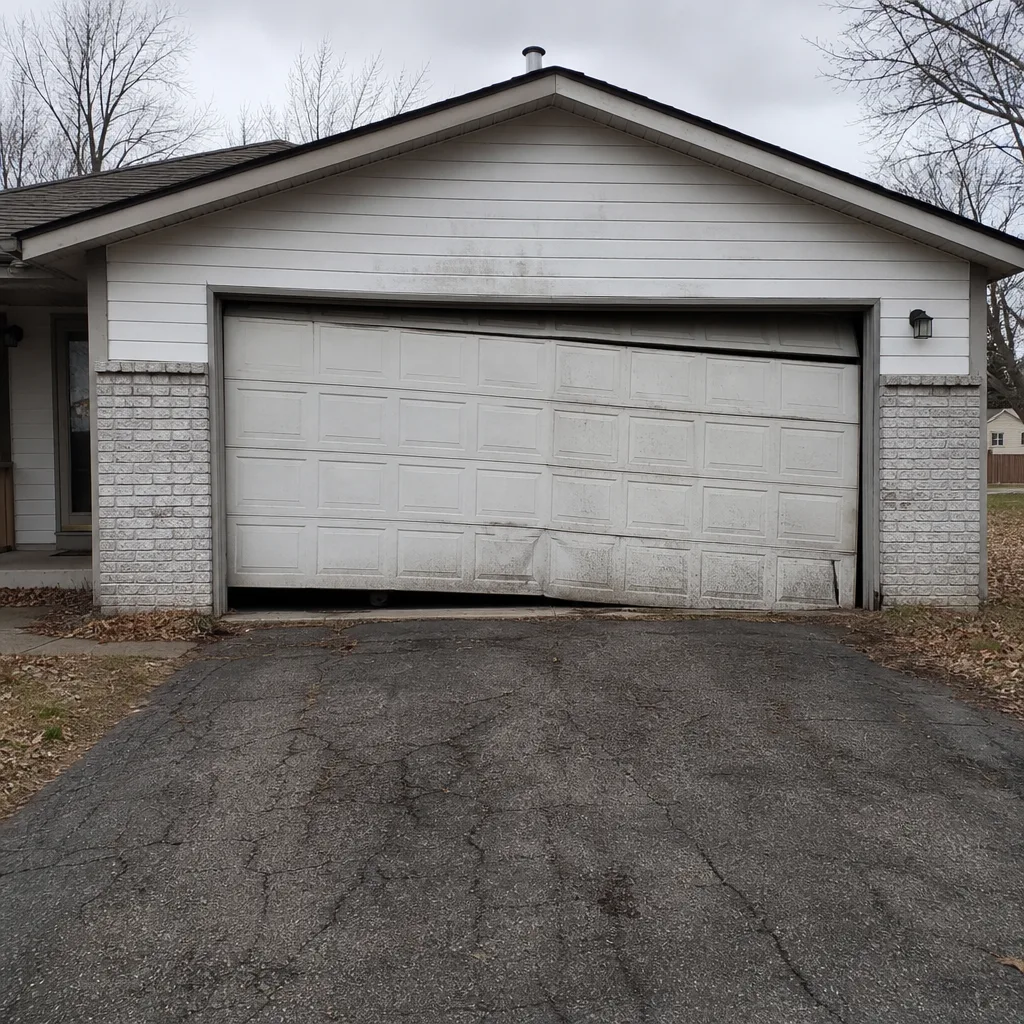 Before
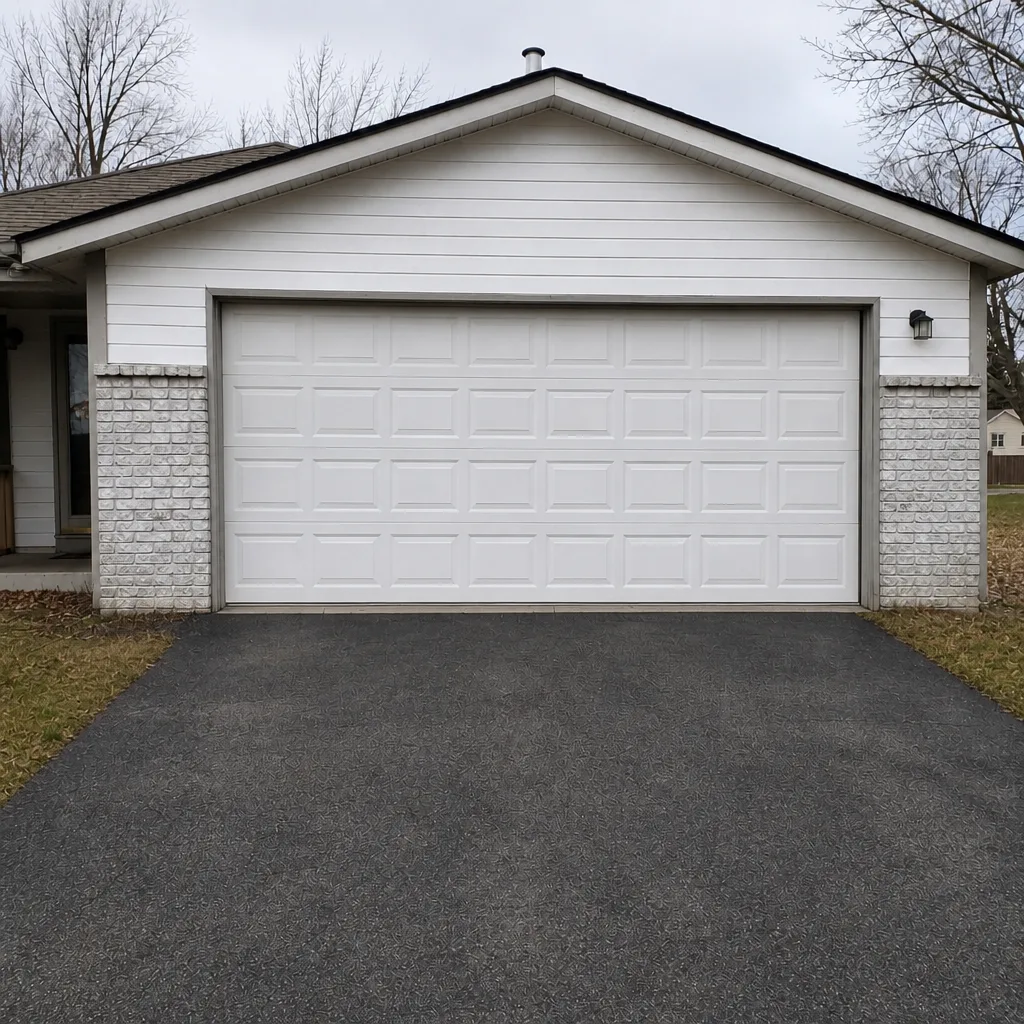 After
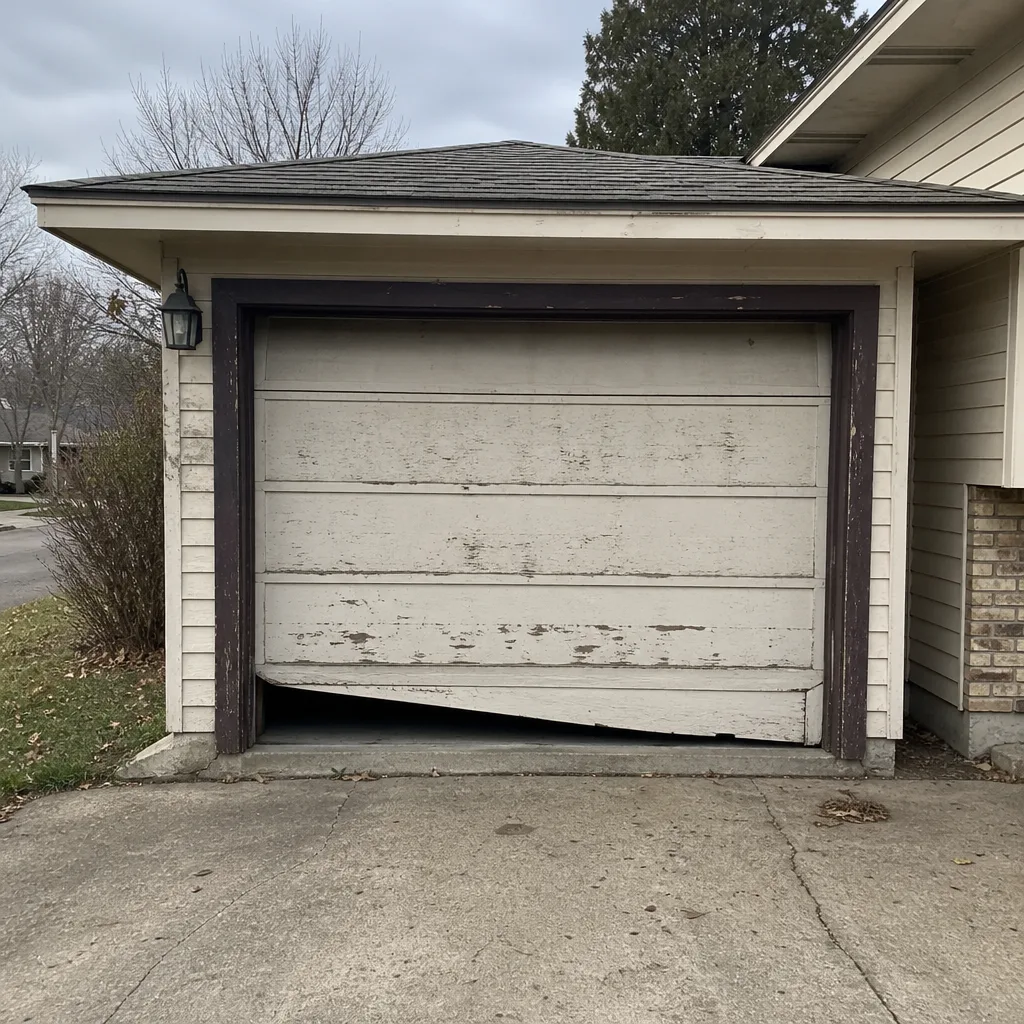 Before
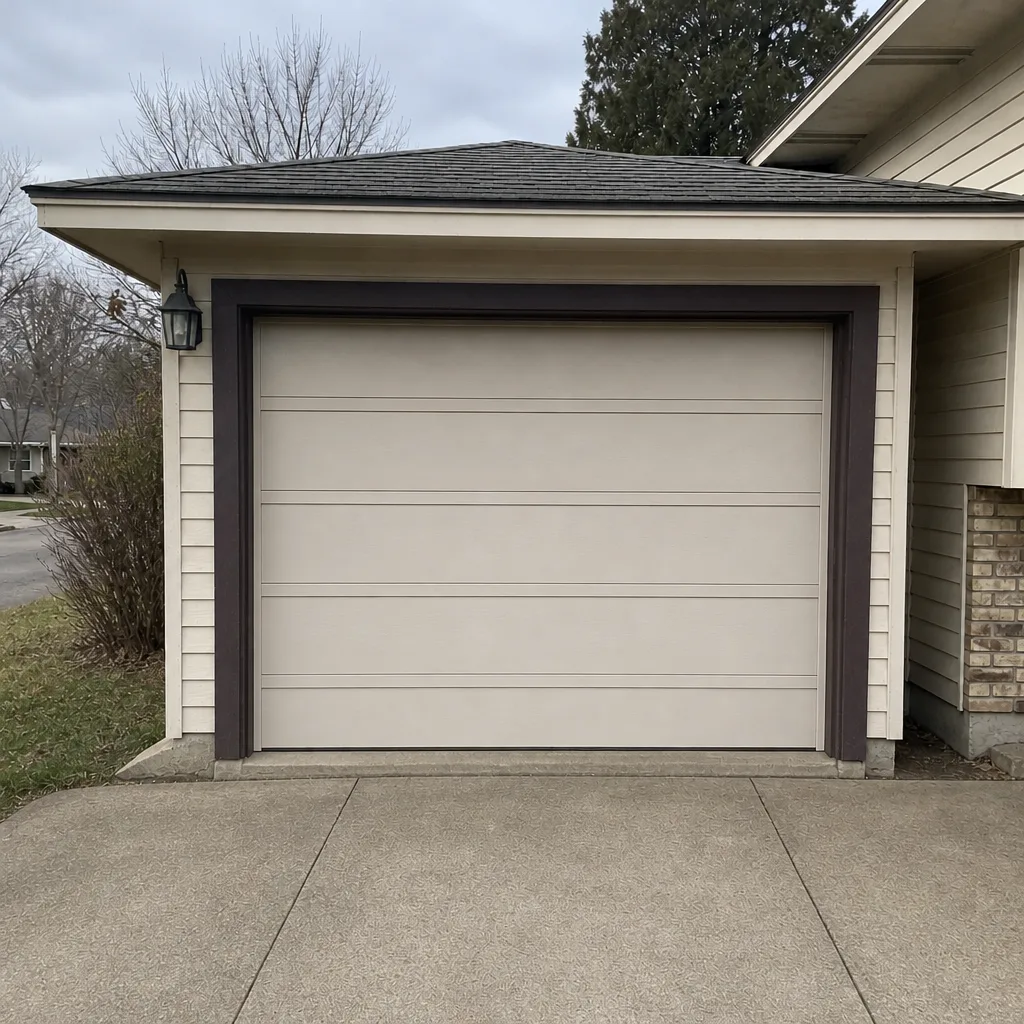 After
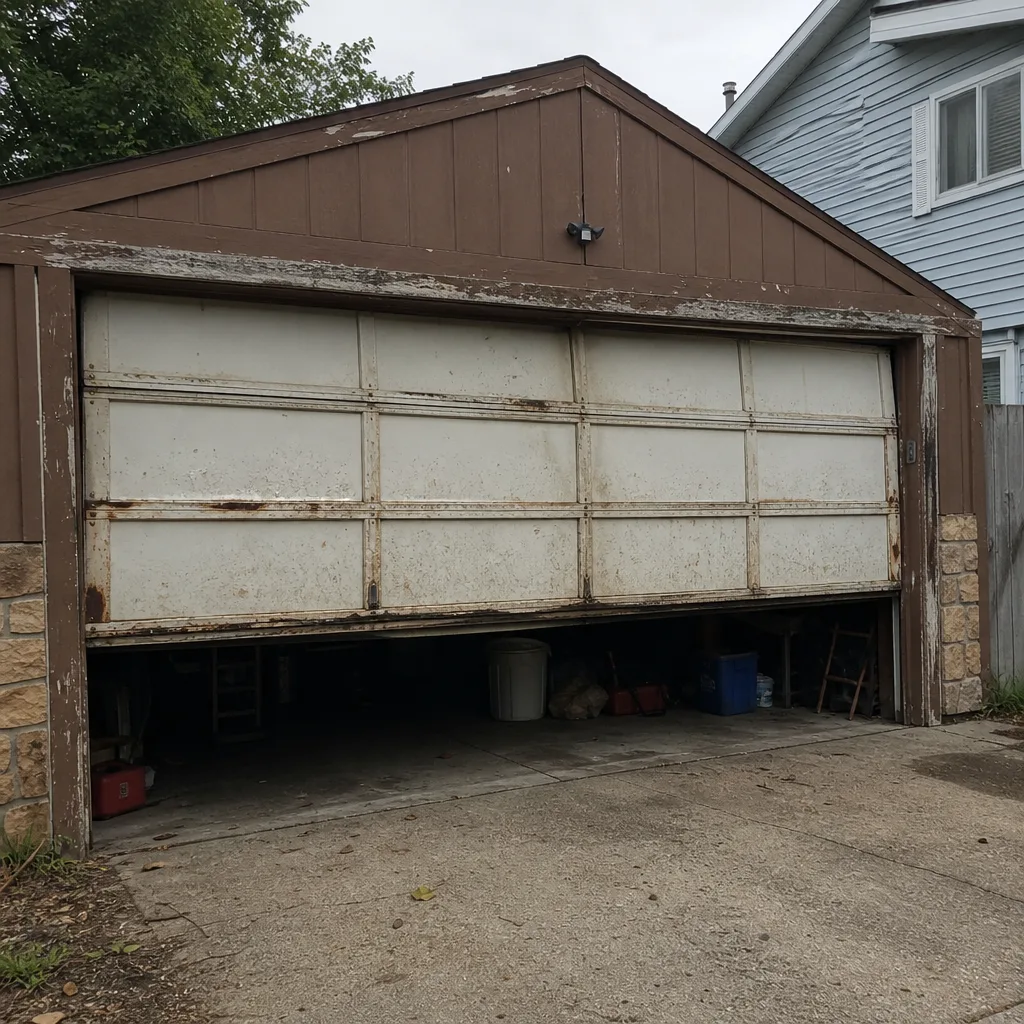 Before
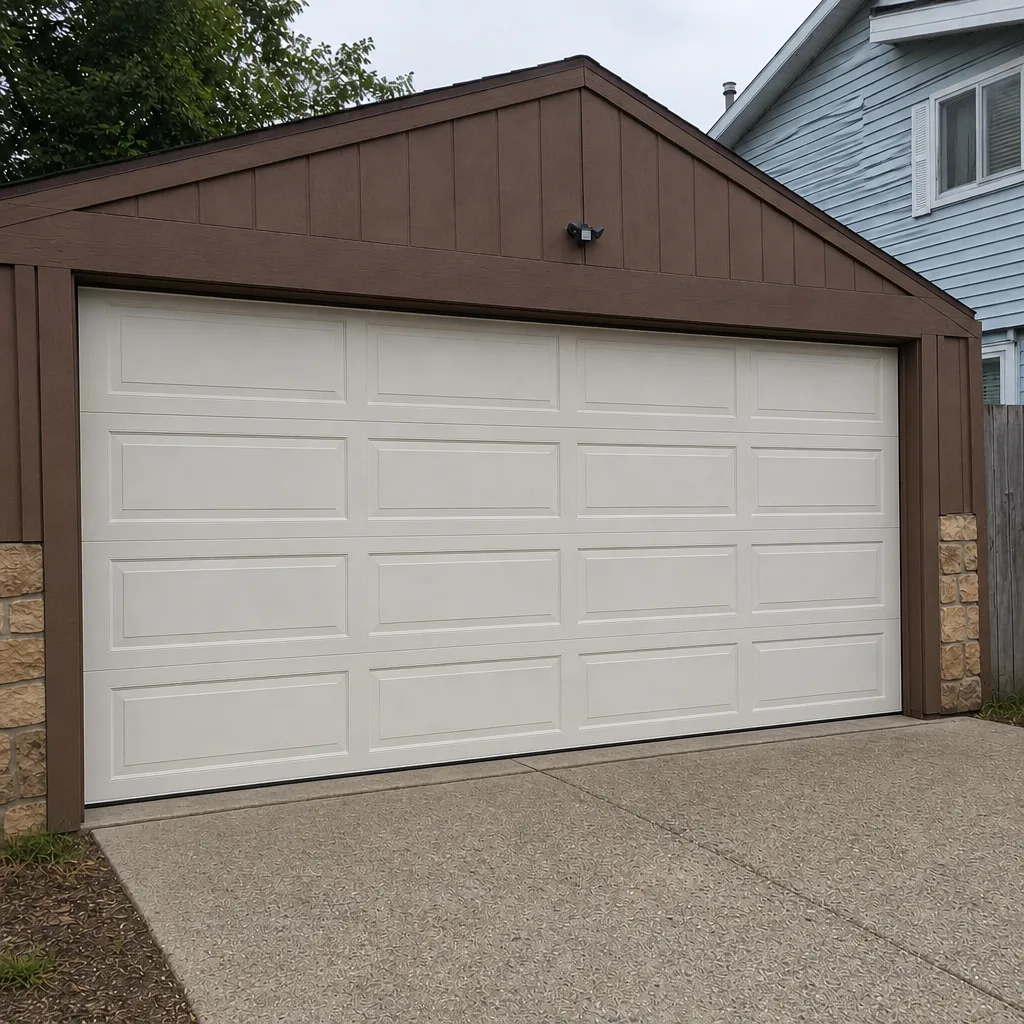 After
When to Call a Professional
Some garage door problems are safe to watch and diagnose yourself. Others require a call. Call a professional when:
- A spring is broken, sagging, or making a loud bang – do not operate the door; the door can fall.
- The door won’t close evenly, reverses unexpectedly, or fails to open at all.
- The opener runs but the door doesn’t move, or the door runs but the opener stays still.
- You hear grinding, scraping, or a loud snap.
- The door is out of balance and won’t hold position when opened halfway.
- A cable is frayed, loose, or hanging.
Springs and cables are the dangerous components – those are non-negotiable professional jobs. If you’re not sure whether your issue is safe, call and describe it. Bloomington Garage Door Repair Pros offers free estimates in Bloomington – call (855) 904-7314. We answer 24/7. Fast dispatch from 7am to 7pm, Sunday through Friday. On-site in 60 minutes for urgent failures, and the written quote is the price before any work starts.
Frequently Asked Questions
Minnesota doesn’t license garage door technicians specifically, so there’s no state license to check. What you can verify is insurance – ask for a certificate of insurance sent directly from the insurer – and training, experience, and warranty terms. The local pro we connect you with is licensed and insured as their state requires. Call (855) 904-7314 for a free estimate.
Spring replacement is typically priced per spring, and a matched pair usually costs about twice a single spring because both should be replaced together. We quote the exact price in writing before any work starts, and the written quote is the price you pay. Call (855) 904-7314 for an exact quote – estimates are free.
Replace both, even if only one is broken. Springs are installed as matched pairs, and replacing one and not the other causes uneven tension, premature wear on the new spring, and balance problems that stress the opener. A specialist will quote the pair and explain the reasoning. Call (855) 904-7314 if you’re not sure what’s on your door.
No. High-tension springs store enough energy to cause serious injury if they release unexpectedly, and that’s exactly why many general handymen decline this work. Spring replacement should only be done by a trained technician with the right tools and winding bars. If your spring is broken, don’t operate the door – call (855) 904-7314.
Check BBB records for complaint patterns and resolution history, not just star ratings. Ask for warranty terms in writing. Confirm the brands they actually service, and ask which parts they’re replacing before any work starts. Reviews are a starting point; documented records and written terms are the confirmation. Call (855) 904-7314 with questions.
We work on LiftMaster, Chamberlain, Genie, Clopay, Amarr, Wayne Dalton, Craftsman, and Raynor systems – both legacy and smart, Wi-Fi-enabled openers. That means you don’t need a different specialist for your door brand and another for your opener. Call (855) 904-7314 and tell us what’s on your door – we’ll confirm the diagnosis and quote in writing.
The Bottom Line
Hiring a garage door contractor in Bloomington is a verification exercise, not a price-shopping exercise. The lowest quote often hides a shorter-life spring or a poorly balanced door that strains your opener. Check insurance with a certificate from the insurer, ask about cycle life and IPPT ratings, insist on a written quote with named parts and brands, and confirm warranty terms in writing before anyone touches the door. A technician who can answer those questions is a specialist. One who can’t is a gamble. The right hire protects your home and your door for years to come.
Bloomington Garage Door Repair Pros covers the full spectrum – repair, opener diagnostics, spring replacement, installation, and emergency response – across eight major brands. Call (855) 904-7314 for a free estimate. We answer 24/7. Fast dispatch from 7am to 7pm, Sunday through Friday. Same-day service for urgent failures, and a written quote that matches the final bill.
Written by the team at Bloomington Garage Door Repair Pros.