
Last updated November 21, 2026
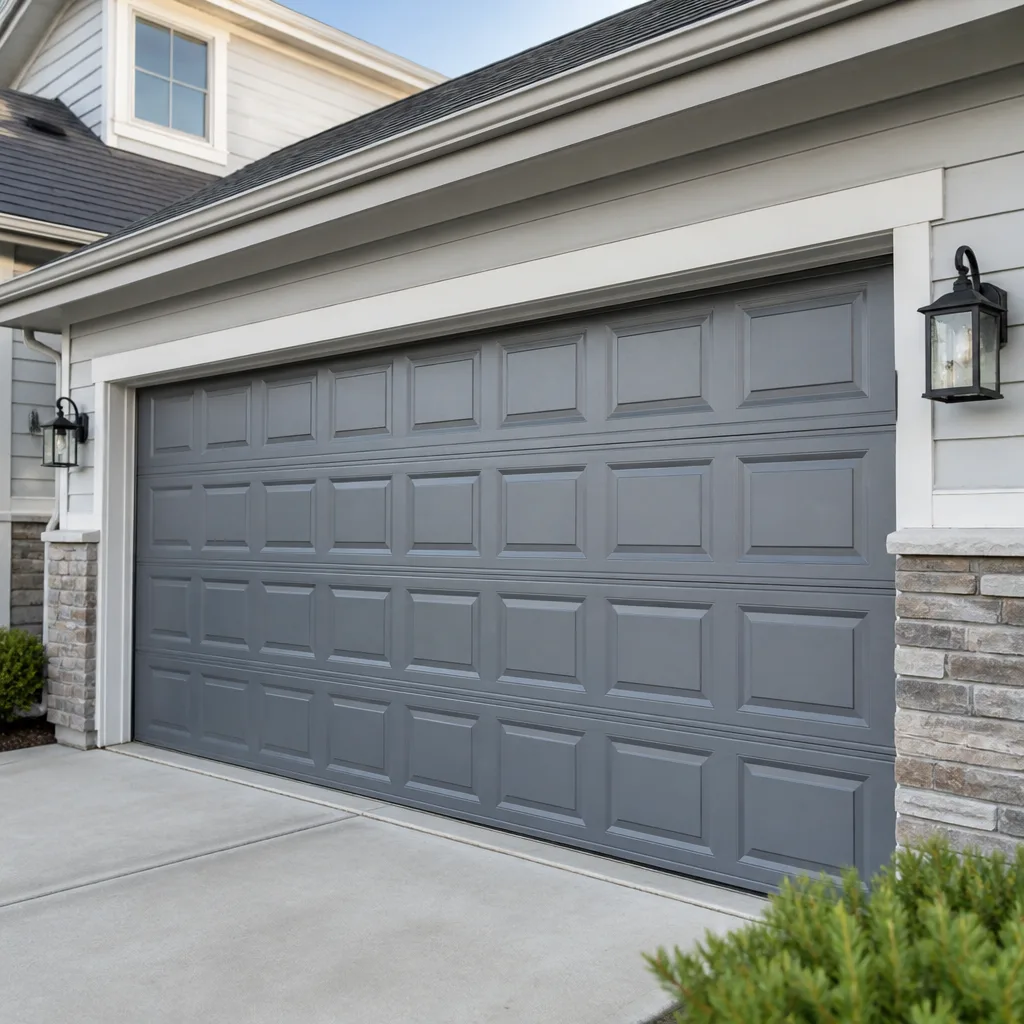 Raised-panel steel
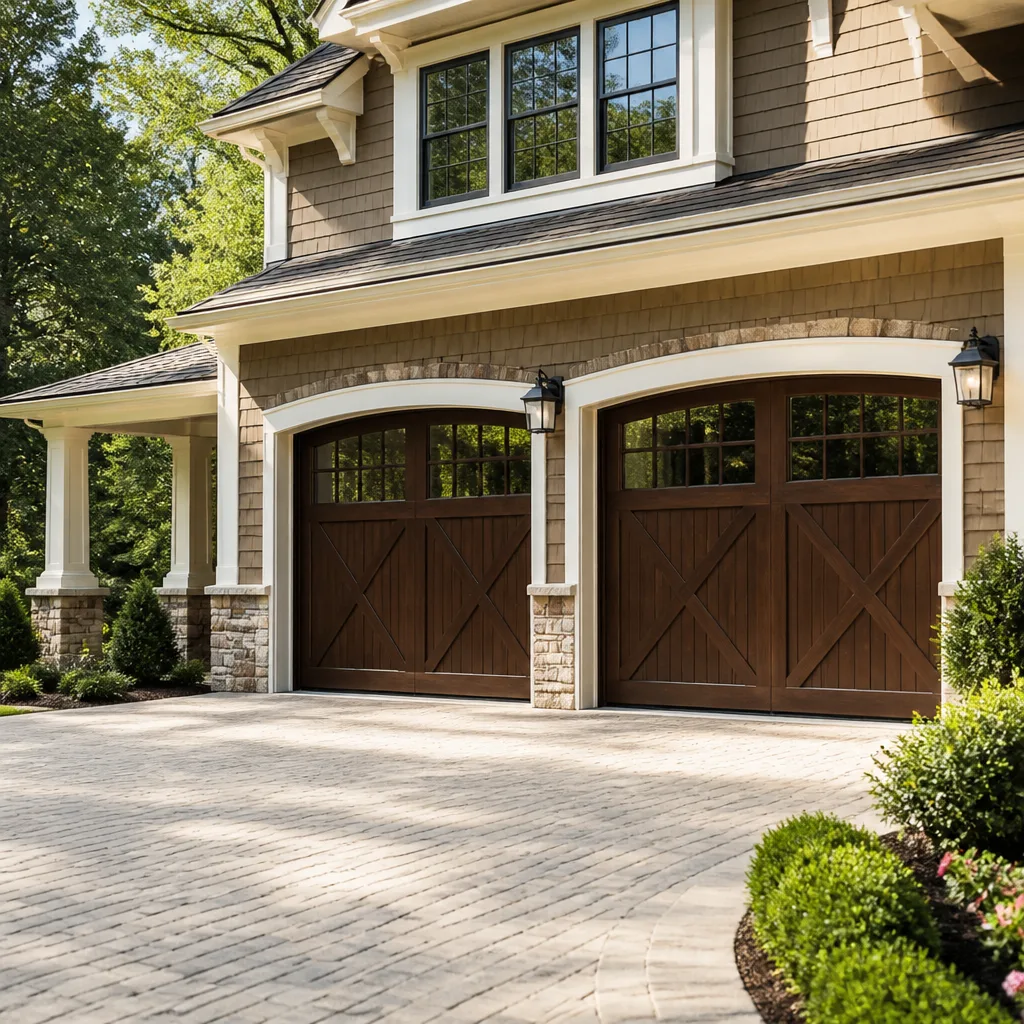 Carriage house
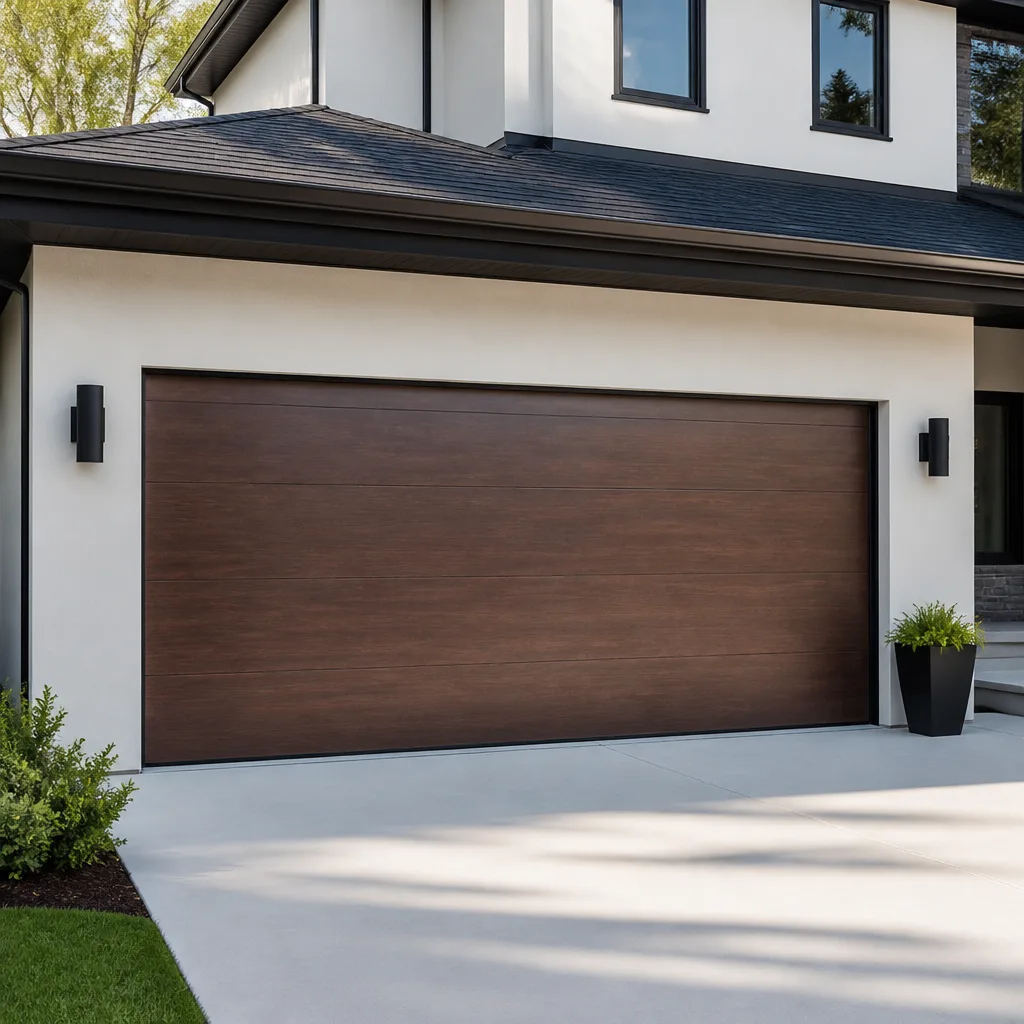 Modern flush
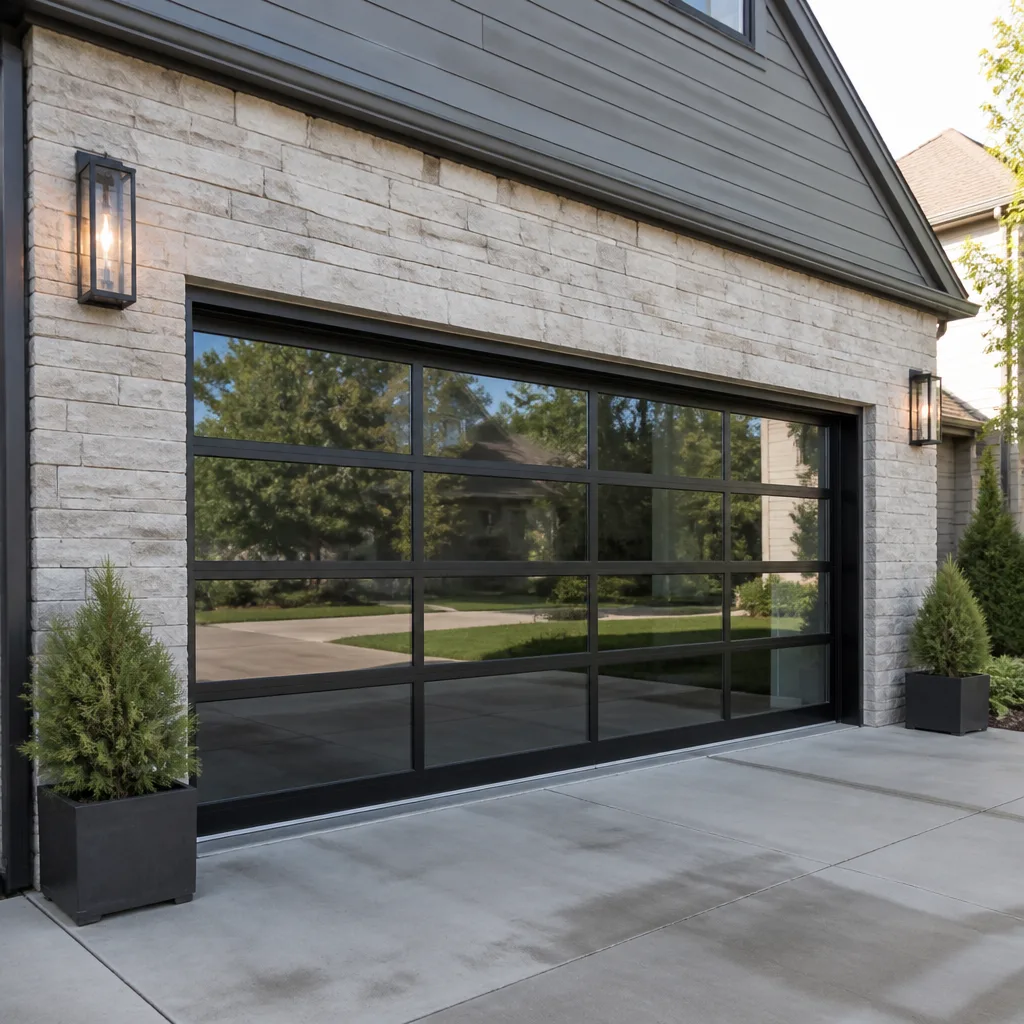 Full-view glass
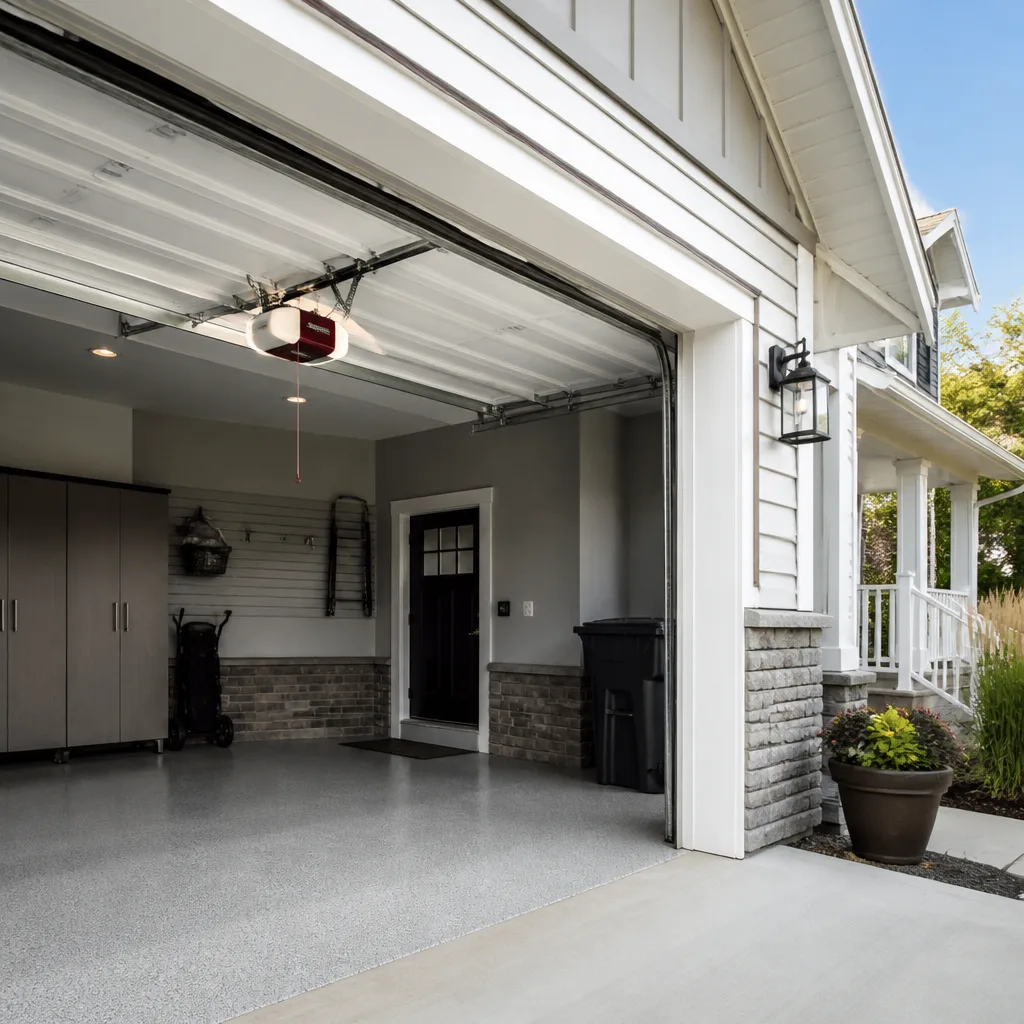 LiftMaster openers
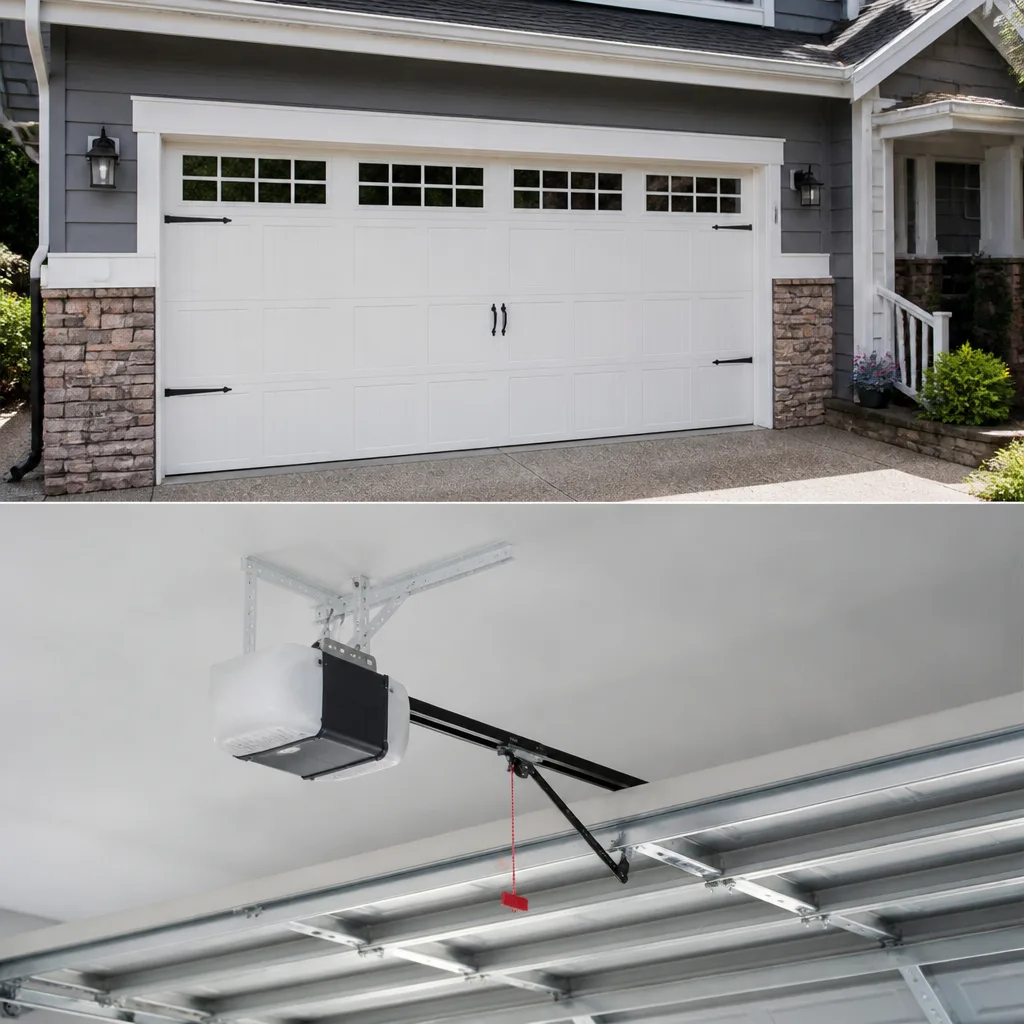 Chamberlain openers
Full 25-point door and opener safety check with every visit - springs, cables, rollers, tracks, and your LiftMaster or Chamberlain opener included
You get a price before we start. It does not change when the pro arrives.
Get your free estimateChoosing the Right Garage Door Brand: A Buyer’s Guide for Bloomington
The R-value printed on a garage door spec sheet was measured in a controlled lab, not in a Bloomington garage where the concrete floor runs far colder than the air above it and the bottom seal is the real thermal weak point. That gap between the brochure and your actual driveway is where most brand advice falls apart. Manufacturers rank doors on numbers that barely move the needle in a Minnesota winter, while the details that do matter go unmentioned. This guide covers how the major brands actually hold up in Bloomington, where the real differences sit, and where the marketing is just price justification. You’ll finish knowing how to match a brand and door tier to how you actually use your garage.
Quick Answer
For most Bloomington homeowners, the right garage door brand is less important than the door’s construction: steel gauge, insulation type, and above all the bottom seal and panel joint tightness that decide how it performs in cold weather. Clopay, Amarr, Wayne Dalton, and Raynor all make doors that hold up well here when the model tier matches your use case. Insulation R-value gets the most marketing attention and matters the least in a Minnesota garage compared with thermal bridging at the frame and a properly sealing bottom edge.
Styles & brands we work with
- Raised-panel steel
- Carriage house
- Modern flush
- Full-view glass
- LiftMaster openers
- Chamberlain openers
Table of Contents
- Which garage door brands actually serve the Bloomington market?
- Why insulation R-value rankings mislead Minnesota buyers
- Steel gauge explained plainly
- The brand and parts availability relationship
- How Bloomington’s climate stresses a garage door
- Matching brand tier to your actual use case
- Does your opener brand matter as much as the door brand?
- A step-by-step way to choose your door brand
- Common mistakes to avoid
- When to call a professional
- Frequently asked questions
Which garage door brands actually serve the Bloomington market?
The brands you’ll realistically choose from in Bloomington are a smaller set than a national search suggests, and that’s useful to know before you shop. Four names come up again and again for residential steel doors: Clopay, Amarr, Wayne Dalton, and Raynor. Each builds a full line from basic single-layer doors up to insulated three-layer doors, and each has trade-offs in hardware, seal quality, and how easy the parts are to find later.
Here’s how the main players differ on the things that matter for a Minnesota door:
- Clopay builds a wide range and is common on newer Bloomington homes. Their insulated models use layered construction, and their hardware is generally serviceable. The line spans budget and premium, so model tier matters as much as the brand name.
- Amarr is known for dependable mid-tier steel doors with solid panel construction. Their insulated doors are a reasonable match for an attached garage that sees daily use through the cold months.
- Wayne Dalton makes doors across the price spectrum, including models that use their proprietary hardware on certain lines. That’s fine until something needs replacing, so it’s worth asking about part availability before you commit.
- Raynor tends toward well-built traditional steel doors and is a common sight on established Bloomington properties. Their doors are solid, though replacement parts may need to be ordered rather than picked up locally.
What we’ve seen repeatedly is that two neighboring Bloomington houses with doors from the same brand can perform very differently, because one got the insulated tier and the other got the builder-grade base model. The brand is the starting point. The specific model is what you actually live with.
Why insulation R-value rankings mislead Minnesota buyers
Insulation R-value gets more ink than any other garage door spec, and in a Bloomington winter it’s the least reliable guide to how warm the space will stay. R-value measures how well the door panel itself resists heat flow in a lab. In a real garage, most of your heat leaks out around the door, not through it. That’s the part the spec sheet doesn’t tell you.
Think about where cold actually enters. The concrete floor pulls warmth down and keeps the whole space close to outdoor temperature at the slab. The door’s bottom seal is the longest gap in the wall, and if it doesn’t sit flush, air moves freely regardless of what’s printed on the panel. The panel joint between sections creates another seam, and the frame around the opening is a bridge that carries cold straight past the insulation.
So what should you look at instead of the R-value badge? Three things:
- Bottom seal design. A door with a clean, thick U-shaped or bulb seal that compresses against a level floor keeps far more heat in than a thin flat seal that rests unevenly. This is the single most important cold-weather detail on any door.
- Panel joint tightness. Feel how the sections meet. Snug joints with good weatherstripping between sections stop the draft that makes a well-insulated door feel pointless.
- Thermal bridging at the frame. The perimeter weatherstrip and how the door sits in the opening matter more than a few points of R-value. A great door in a leaky opening performs worse than a mid-tier door with proper sealing.
A mid-tier insulated door that seals well beats a premium door that doesn’t. If you’re weighing options for your Bloomington garage, spend your budget on the seal and installation quality first, and let R-value break ties rather than drive the decision.
Steel gauge explained plainly
Most residential garage doors are steel, and the gauge number tells you how thick that steel is. The confusion is that the number goes the “wrong” way: a lower gauge means a thicker panel. So 24-gauge steel is thicker and heavier than 25-gauge, which is thicker than 26-gauge. That single fact clears up most of the marketing noise.
Here’s what each gauge means in practice for a high-use residential door:
- 24-gauge. Thicker steel, better dent resistance, and a more solid feel. Heavier doors put more load on the springs and opener, so the hardware needs to be matched to the weight. A good choice for a primary attached garage with daily use, kids, and bikes moving past it.
- 25-gauge. A middle ground. Noticeably sturdier than the thinnest doors and lighter than 24-gauge, which eases strain on the operating hardware. A sensible pick for many Bloomington homes where the door gets used but not abused.
- 26-gauge. The thinnest common residential gauge. Fine for a lightly used separate storage garage, but it dents more readily and can feel tinny under daily use. Advertising sometimes calls this “heavy-duty,” which it isn’t.
One thing worth saying plainly: gauge is about the steel skin, not the whole door. A 26-gauge door with a stiffening layer or an insulated core can still be rigid, and a 24-gauge door poorly installed will still rattle. When you compare, match gauge to use and make sure the springs and opener are sized for the door’s weight, because a heavy door on undersized springs is a repair waiting to happen. If a door starts acting sluggish or slams shut, that’s a spring or hardware issue, and garage door spring repair is the place to start rather than a new door.
The brand and parts availability relationship
Brand choice is really a decision about service down the road. A premium door that’s hard to get parts for can turn a simple repair into a wait, while a solid mid-tier door with widely stocked components gets back to working order fast. In Bloomington, where a stuck door in January means a cold house and an open gap, speed of repair counts for a lot.
Two factors shape parts availability:
- Standard versus proprietary hardware. Many doors use standard hinges, rollers, and springs that any service company can match. Some brands use proprietary hardware on certain lines, which can mean ordering a specific part rather than using a stock one. Neither is wrong, but it’s worth knowing before you buy.
- How common the brand is locally. A brand well represented in the Bloomington market tends to have more service familiarity and easier part sourcing. Clopay and Wayne Dalton, for example, are common enough around here that service companies know their quirks.
The practical takeaway: ask about parts before you buy, not after the door won’t open. A quick question about whether the hardware is standard or proprietary, and whether replacement parts are readily orderable, saves real headaches later. And when a door does need work, garage door repair on standard hardware is usually straightforward.
This is also where brand familiarity on the service side helps. We work on Clopay, Amarr, Wayne Dalton, Raynor, and more, so a door from any of the major names is something we can diagnose and repair without sending you to a specialist.
How Bloomington’s climate stresses a garage door
A Bloomington garage in February lives a harsher life than the same door in a mild climate, and a lot of hardware wear traces straight to the temperature swing. The door flexes through repeated deep freezes and thaws, and that cycle works on metal, seals, and moving parts all winter long.
What that means for your door choice:
- Seals take the beating. The bottom seal hardens and cracks with the cold, then softens as things warm. A cheap or thin seal fails fastest here. This is why seal quality trumps insulation numbers in Bloomington.
- Metal contracts and loosens hardware. Bolts, hinges, and rollers work a little looser over a cold season. Good hardware grade matters because it holds up to that cycling better and needs less attention.
- Ice and snow load strain the opener. A door that’s fighting accumulated weight around the bottom edge puts extra load on the opener and springs. Thinner, lighter doors flex more and can bind against snow and ice buildup.
- The finished-interior problem. If your garage shares walls with living space or you’ve finished part of it, the cold-weather door choice matters more, because the door is now part of a warm envelope rather than a detached shell.
In our experience, a door that would last many trouble-free years in a mild climate can wear out hardware and seals faster in Bloomington if the cold-weather details were skimped. That’s the lens to shop through: seals, hardware grade, and panel rigidity ahead of any single spec number.
Matching brand tier to your actual use case
The most expensive door from the best brand is wasted on a garage you open twice a month, and the cheapest door from any brand will disappoint on a primary garage that gets used daily. Matching the door tier to the job is where most of your value comes from, not the brand name at the top of the line.
Here’s how to think about the two main scenarios:
- A detached storage garage. Low daily use, few climate concerns. A single-layer or uninsulated door in a 25- or 26-gauge steel is often plenty, since you’re not heating the space or moving through it constantly. Save the budget here.
- A primary attached garage with daily use. Kids, bikes, cars coming and going. Choose an insulated, three-layer door in thicker steel (24- or 25-gauge) with a good bottom seal and hardware that can take daily operating. This is where the money earns its keep.
- A finished or semi-finished garage. If the interior is finished or shares a wall with living space, prioritize insulation and sealing hardest, because the door is now part of the thermal envelope and small gaps have visible consequences.
In each case, the brand is a secondary question. Any of the major names can supply a door suited to the job. The mistake is paying for a premium tier on a storage garage, or saving on a base model for the door you use twice a day through the Minnesota winter.
Does your opener brand matter as much as the door brand?
Your opener brand matters, but in a different way than the door brand, and it’s where a lot of mixed-brand confusion starts. The good news is that modern openers work with almost any door as long as the opener is sized for the door’s weight. The compatibility question that trips people up is usually the opener’s own electronics and accessories, not the door.
What we work with regularly, and what you’ll commonly find in Bloomington homes:
- LiftMaster and Chamberlain. Shared engineering lineage and very common. Both traditional and smart-connected models are well supported, and their accessories tend to interoperate.
- Genie. Solid traditional systems, common in older homes, and still easy to get parts for in most cases.
- Craftsman. Often found on homes of a certain age, and dependable where installed. Legacy units sometimes need closer diagnosis as components age.
If you’re replacing a door and keeping the opener, the key check is whether the opener can handle the new door’s weight and whether the base rail and controls are compatible. If you’re upgrading to a smart opener on your existing door, a heavier insulated door may call for a stronger unit. When an opener doesn’t respond or a wall control goes dead, garage door opener repair covers both legacy systems and modern Wi-Fi-connected ones. Matching a new opener to the door now avoids a mismatch later, and the same full-service approach we take to doors carries straight across to openers and controls.
A step-by-step way to choose your door brand
Rather than start with a brand logo, work through the decision in the order that actually matters. This sequence gets most Bloomington homeowners to the right door without overpaying for specs they won’t use.
- Define the use case. Detached storage, primary attached garage, or a finished space? This sets your tier before brand enters the conversation.
- Set your insulation and sealing priorities. If the space is heated or finished, prioritize insulation and a good bottom seal. If not, keep it simple.
- Choose a steel gauge. Thicker steel (lower number) for daily use with dent risk, thinner for light use. Check the door’s weight so springs and opener get sized right.
- Compare model tiers within a brand. Two doors from the same brand can differ enormously between base and insulated tiers. Compare like tiers across brands.
- Ask about hardware and parts. Standard hardware is easy to service. Proprietary parts are fine but confirm availability before you buy.
- Check the opener match. If you’re keeping an existing opener, confirm it handles the new door’s weight.
- Get a professional measure and a written price. A proper measure catches opening irregularities and frame issues that online shopping misses. The written estimate locks in the price before any work starts.
Worked through in this order, the brand choice becomes the last step rather than the first. That’s a calmer way to buy, and it keeps the decision anchored to how you actually use the garage.
See the difference
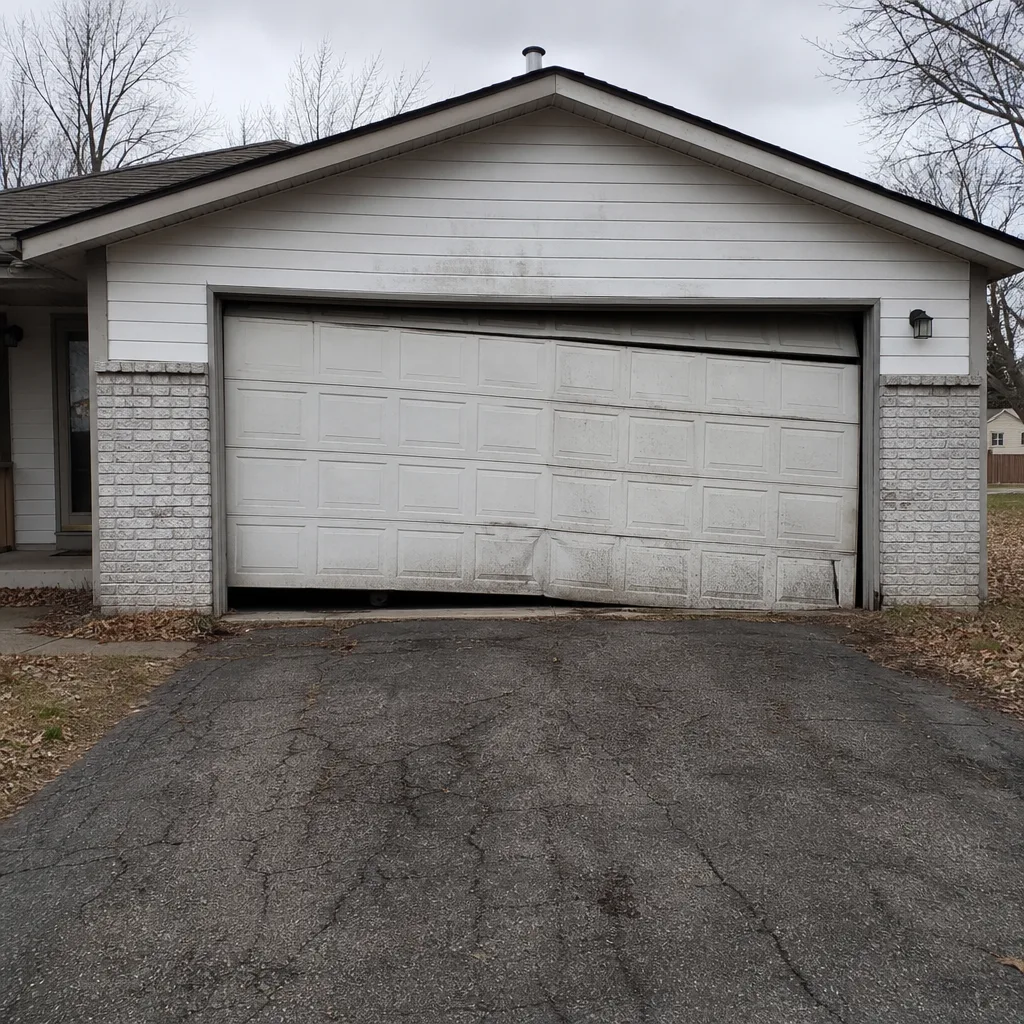 Before
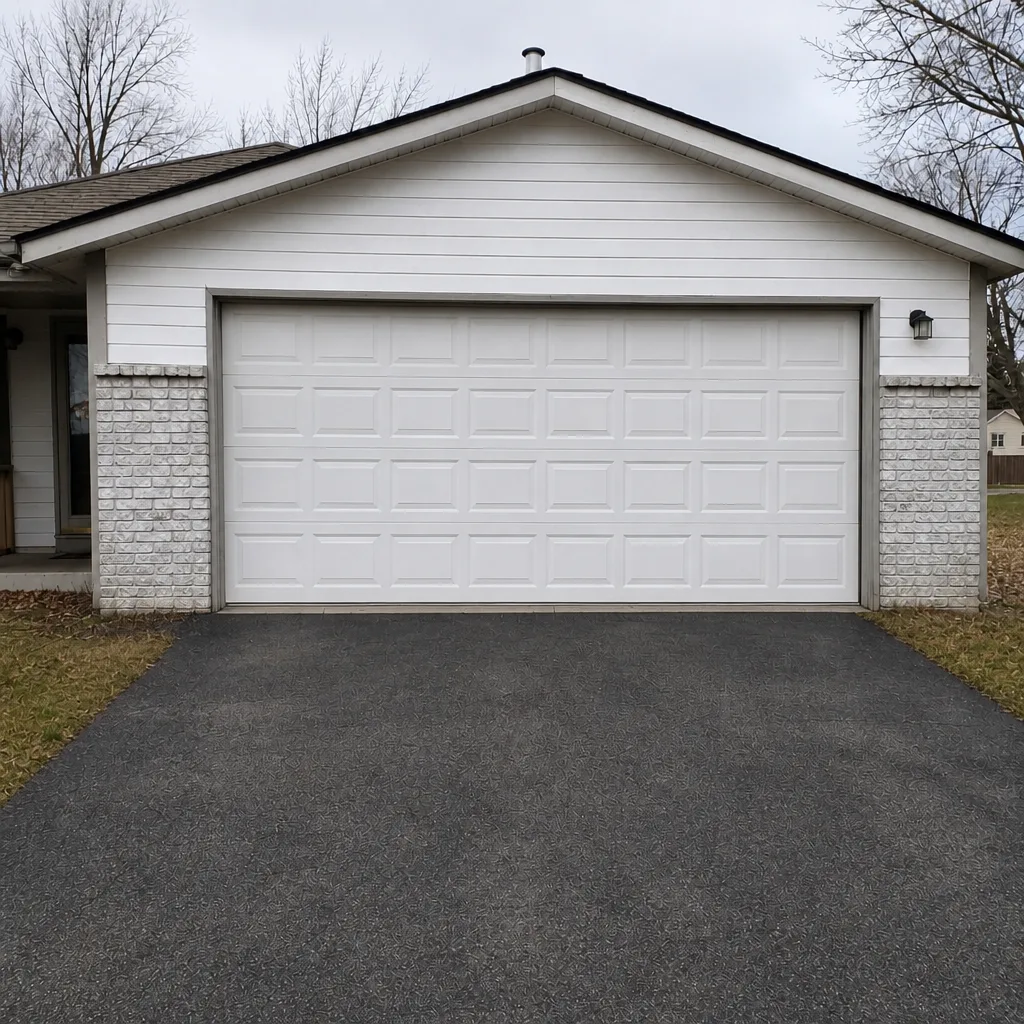 After
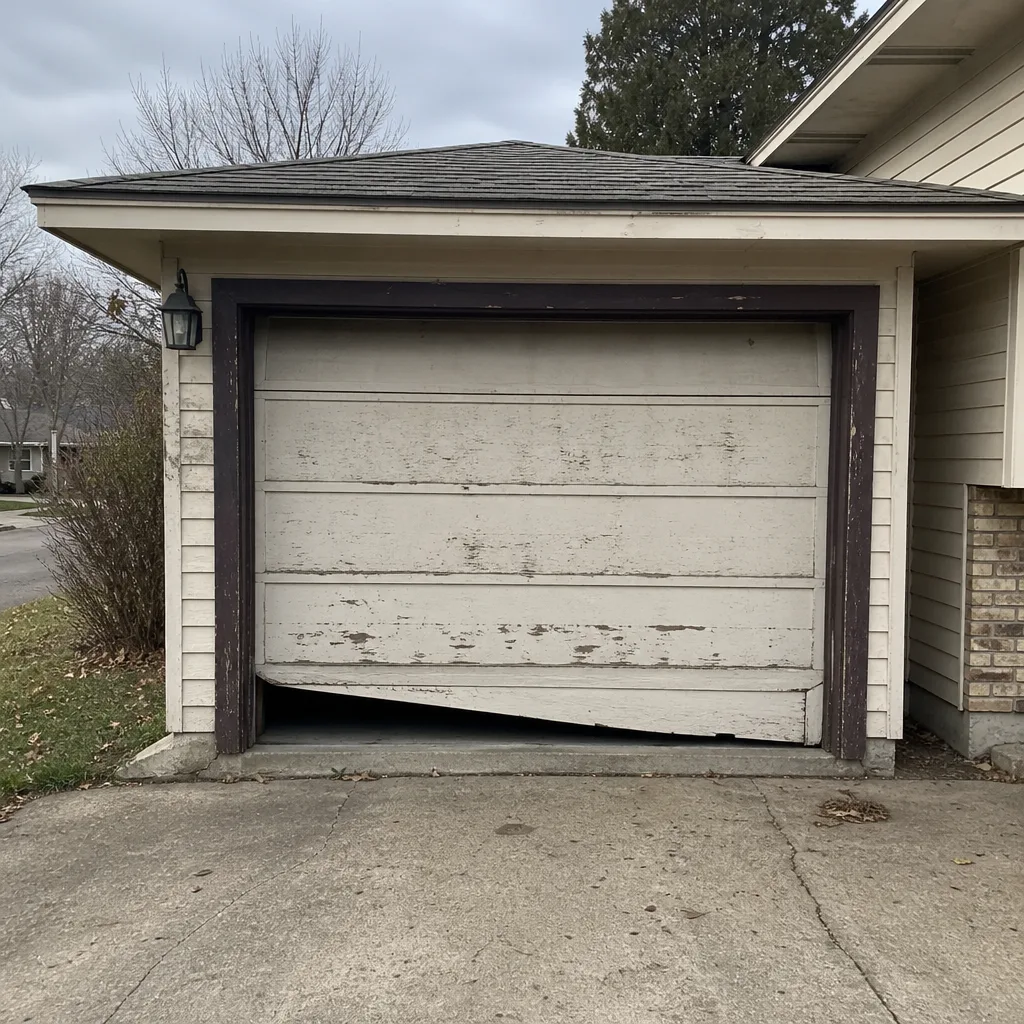 Before
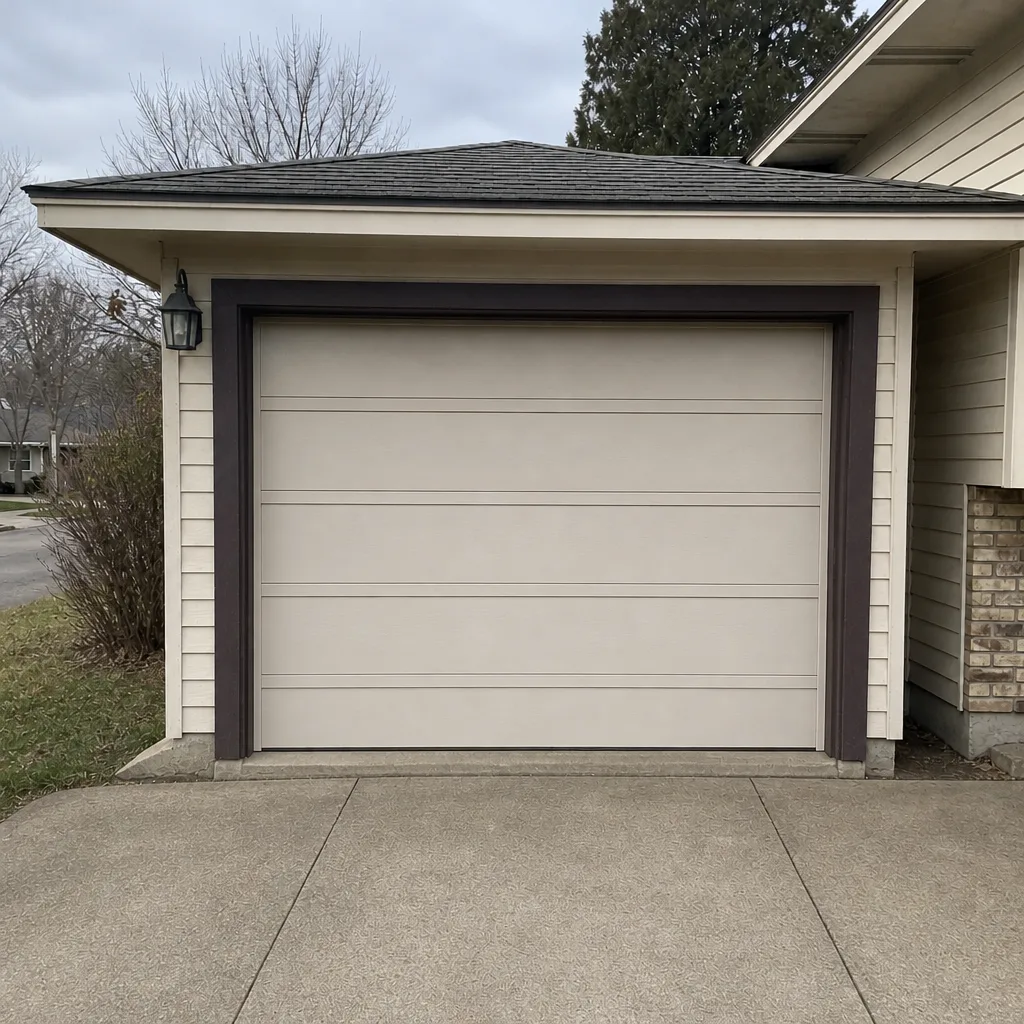 After
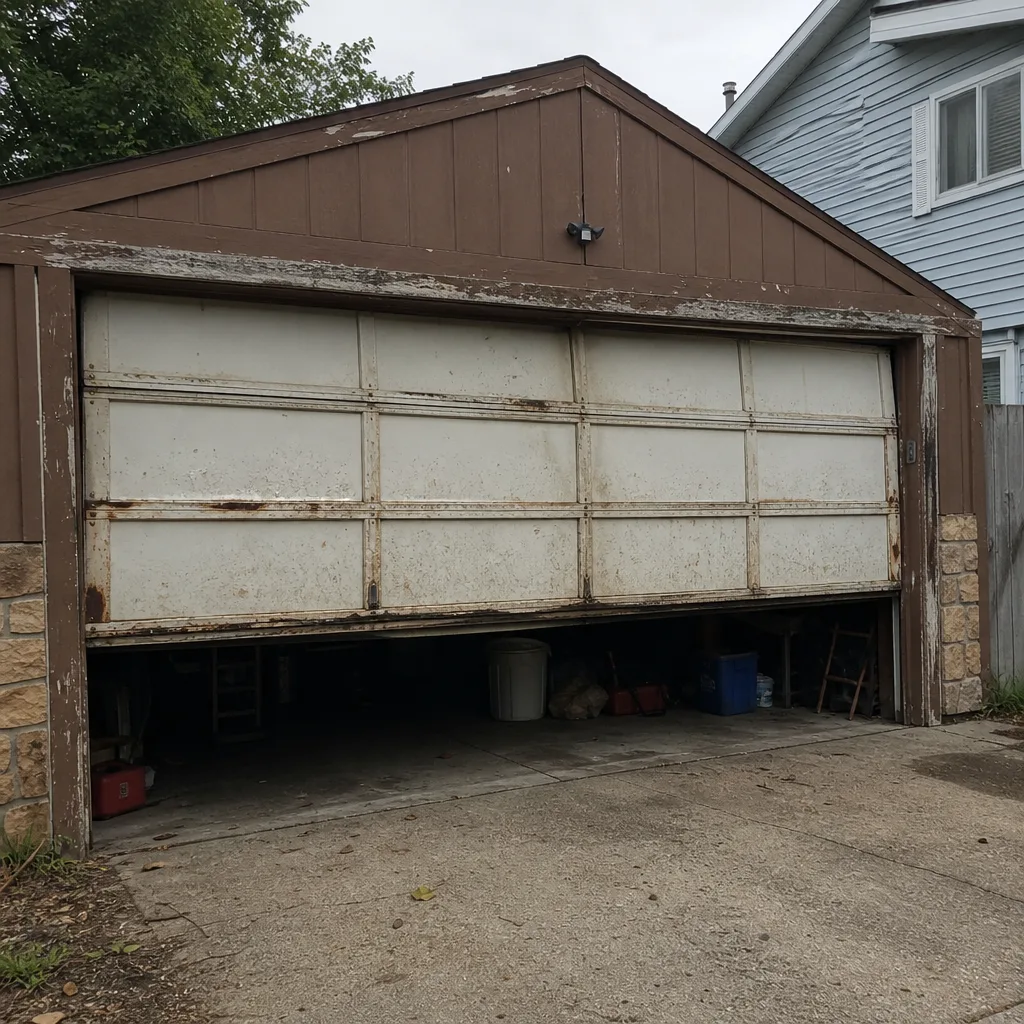 Before
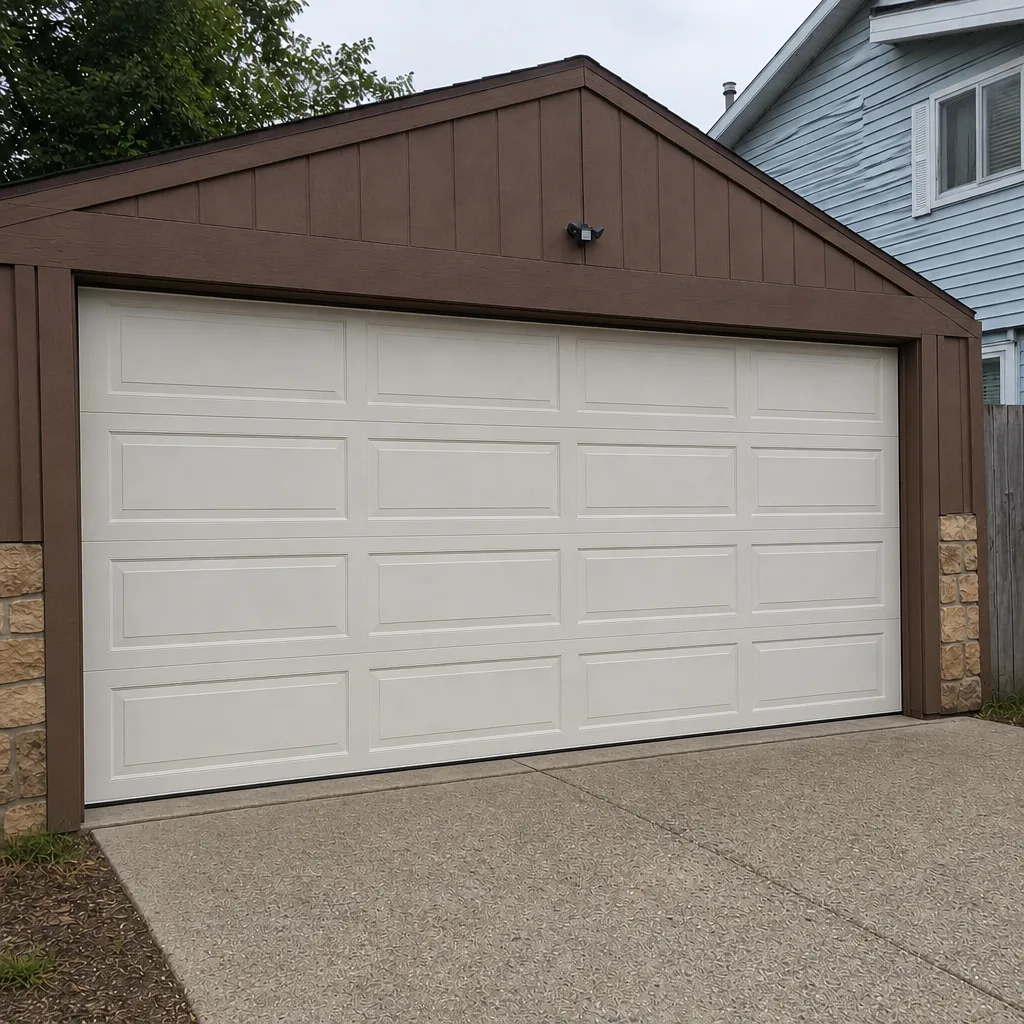 After
Common Mistakes to Avoid
- Buying on R-value alone. A high R-value on a door with a thin bottom seal and leaky joints won’t keep a Bloomington garage warm. Judge the seal and joint tightness first, and treat R-value as a tiebreaker.
- Confusing gauge direction. A 26-gauge door is thinner than a 24-gauge door, not thicker. Reading the numbers backward leads to paying more for a lighter door.
- Paying for a premium tier on a storage garage. An insulated three-layer door on a detached shed you open twice a month is money that earns nothing. Match the tier to use.
- Skimping on the door you use daily. The opposite mistake: a base 26-gauge door on a primary attached garage will dent, rattle, and wear faster than a mid-tier insulated door would.
- Ignoring parts availability. A proprietary-hardware door that needs a special order part during a January cold snap means a longer wait in the driveway. Ask about parts before buying.
- Forgetting the opener. A new heavier door on an undersized existing opener strains both. Check weight match before the door is installed.
- Letting the seal be an afterthought. In Bloomington, the bottom seal is the most important cold-weather component on any door, regardless of brand or price.
When to Call a Professional
Some brand decisions and all safety-critical repairs are worth handing to a trained technician. If you’ve narrowed your search but can’t decide between two tiers, a professional measure and a straight conversation about your use case settles it faster than more online research. If your existing door has a snapped spring, a frayed cable, a door that won’t close all the way, or an opener that’s dead, that’s a job for someone who works on these systems daily, not a weekend project.
Springs and cables under tension are the highest-risk DIY repair in this trade, and they’re the reason many general handymen decline the work. We work on springs, openers, and full door installations, and we service LiftMaster, Chamberlain, Genie, Clopay, Amarr, Wayne Dalton, Craftsman, and Raynor systems. Bloomington Garage Door Repair Pros offers free estimates in Bloomington. Call (855) 904-7314 to get a written price before any work begins.
Frequently Asked Questions
There’s no single best brand, but Clopay, Amarr, Wayne Dalton, and Raynor all make doors that perform well in Bloomington when the model tier matches your use. For most homes, choose the tier and sealing first and let the brand break ties. Call (855) 904-7314 for guidance tailored to your garage.
Less than most marketing suggests. In a real Bloomington garage, the bottom seal, panel joint tightness, and thermal bridging at the frame matter more than the panel’s rated R-value. A well-sealed mid-tier door outperforms a leaky premium one. Call (855) 904-7314 to talk through sealing options.
A lower gauge number means thicker steel. 24-gauge is thicker and more dent-resistant than 25- or 26-gauge, so it suits a daily-use door, while 26-gauge is fine for light use in a storage garage. Heavier steel needs matched springs and a strong opener. Call (855) 904-7314 for help sizing hardware to the door.
Very likely. We service LiftMaster, Chamberlain, Genie, Clopay, Amarr, Wayne Dalton, Craftsman, and Raynor. If your brand is one of these, we can diagnose and repair it without sending you to a different specialist. Call (855) 904-7314 to book a visit.
No. The price is set by the written estimate and agreed before any work starts, so what you’re quoted is what you pay for the job described. The estimate itself is free. Call (855) 904-7314 to schedule yours.
The local professionals we connect you with are licensed and insured as their state requires, and our technicians have up to 10 years of experience. That matters most on spring and cable work, where safety is the whole point. Call (855) 904-7314 with any questions before you book.
The Bottom Line
Brand names get the attention, but the details decide whether a garage door works in a Bloomington winter. Pick the tier and sealing to match your use case, choose a steel gauge by how hard the door works, and confirm parts availability before you buy. R-value is a tiebreaker, not a headline. Clopay, Amarr, Wayne Dalton, and Raynor all make doors that hold up here when the model fits the job. Get a professional measure and a written price, and let the cold-weather details, not the logo, steer the decision.
Ready to sort out your garage door? Call (855) 904-7314 for a free estimate from Bloomington Garage Door Repair Pros. We answer 24/7, with fast dispatch from 7am to 7pm, Sunday through Friday. We work on every major door and opener brand, and when a spring snaps or a door won’t close, we can help. For the full scope of what we handle in town, start at Bloomington Garage Door Repair Pros.
Written by the team at Bloomington Garage Door Repair Pros.